Abierto hoy de 9 a.m. a 6 p.m.

Artists

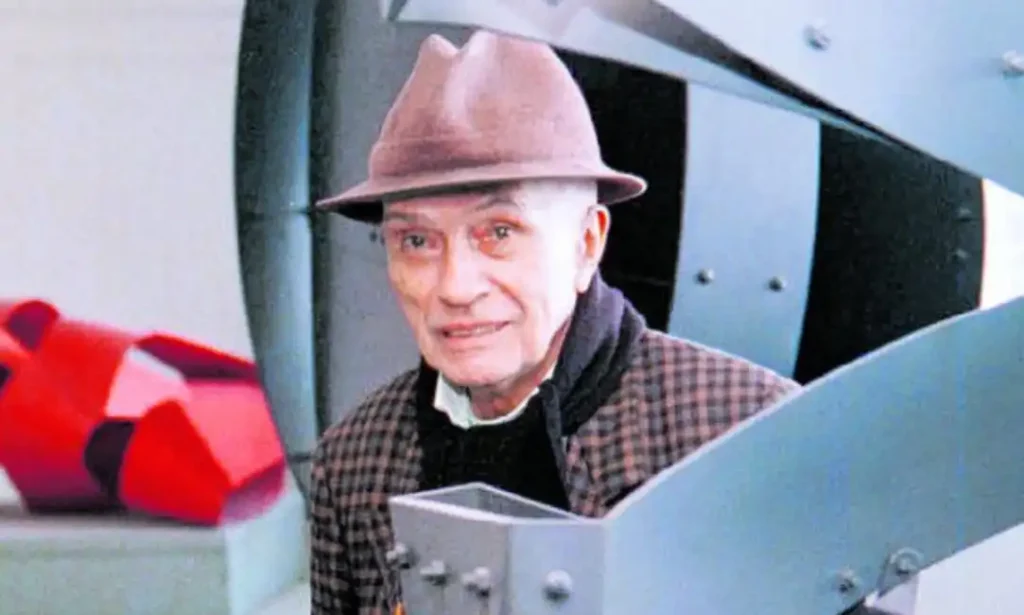
Edgar Negret

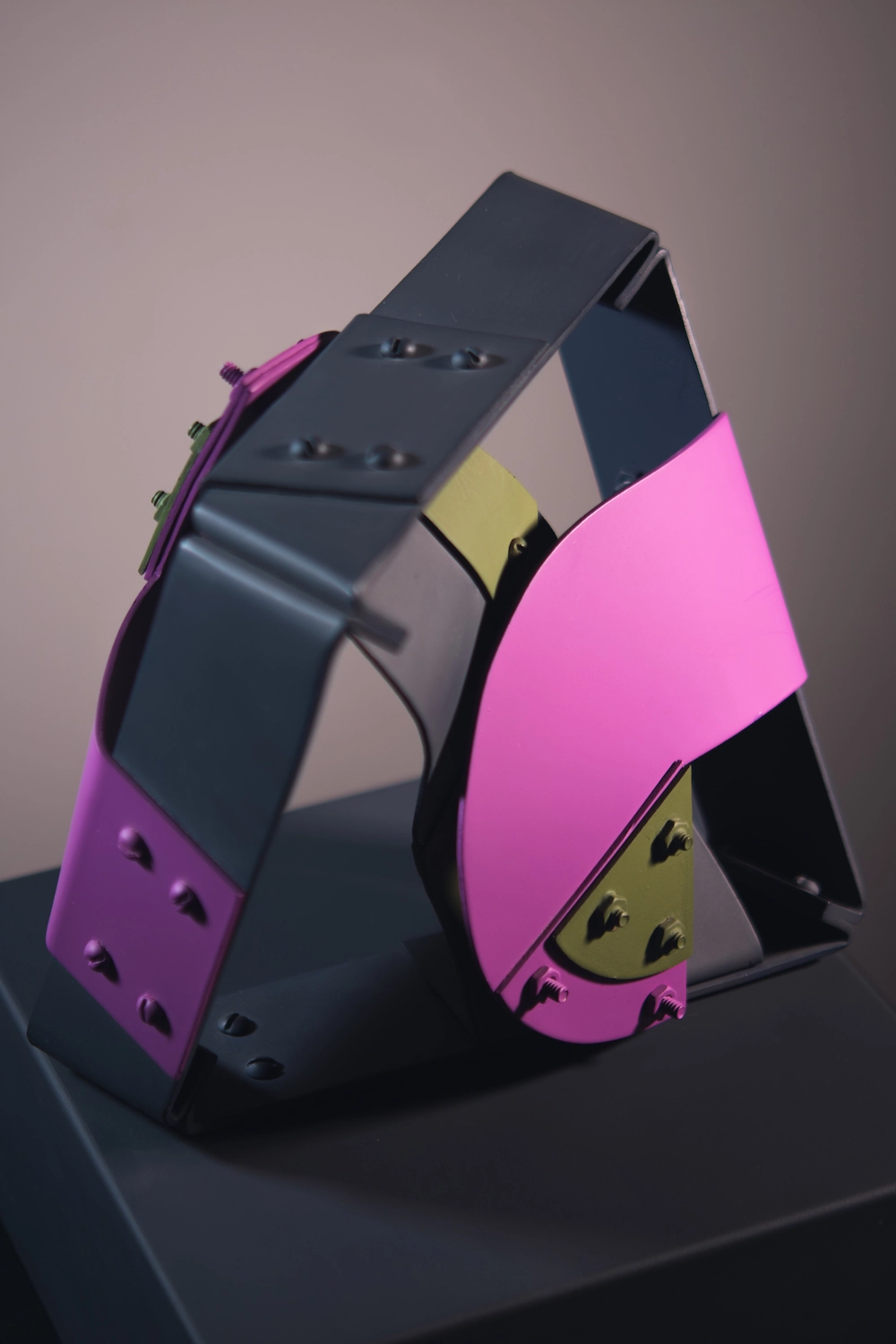
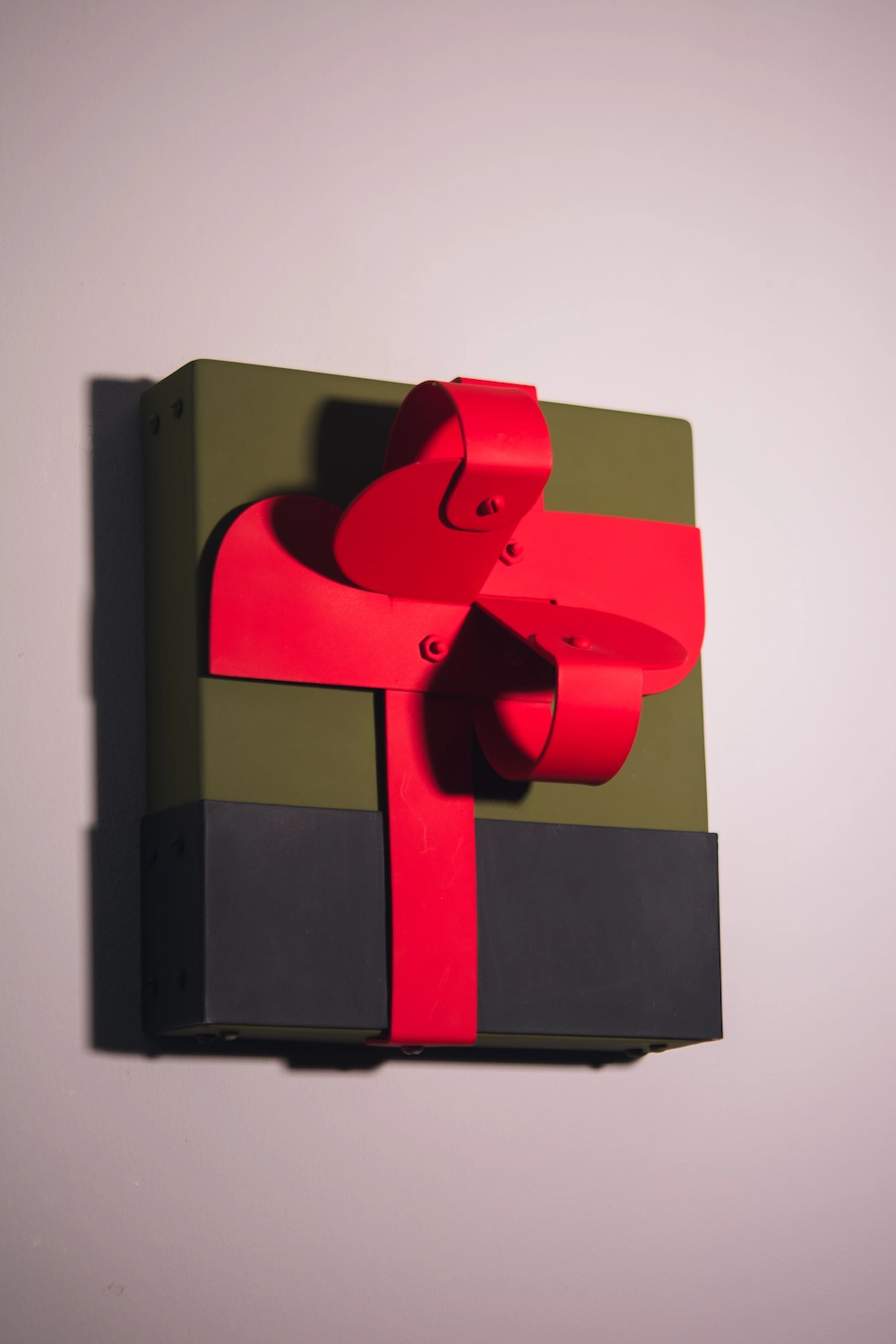
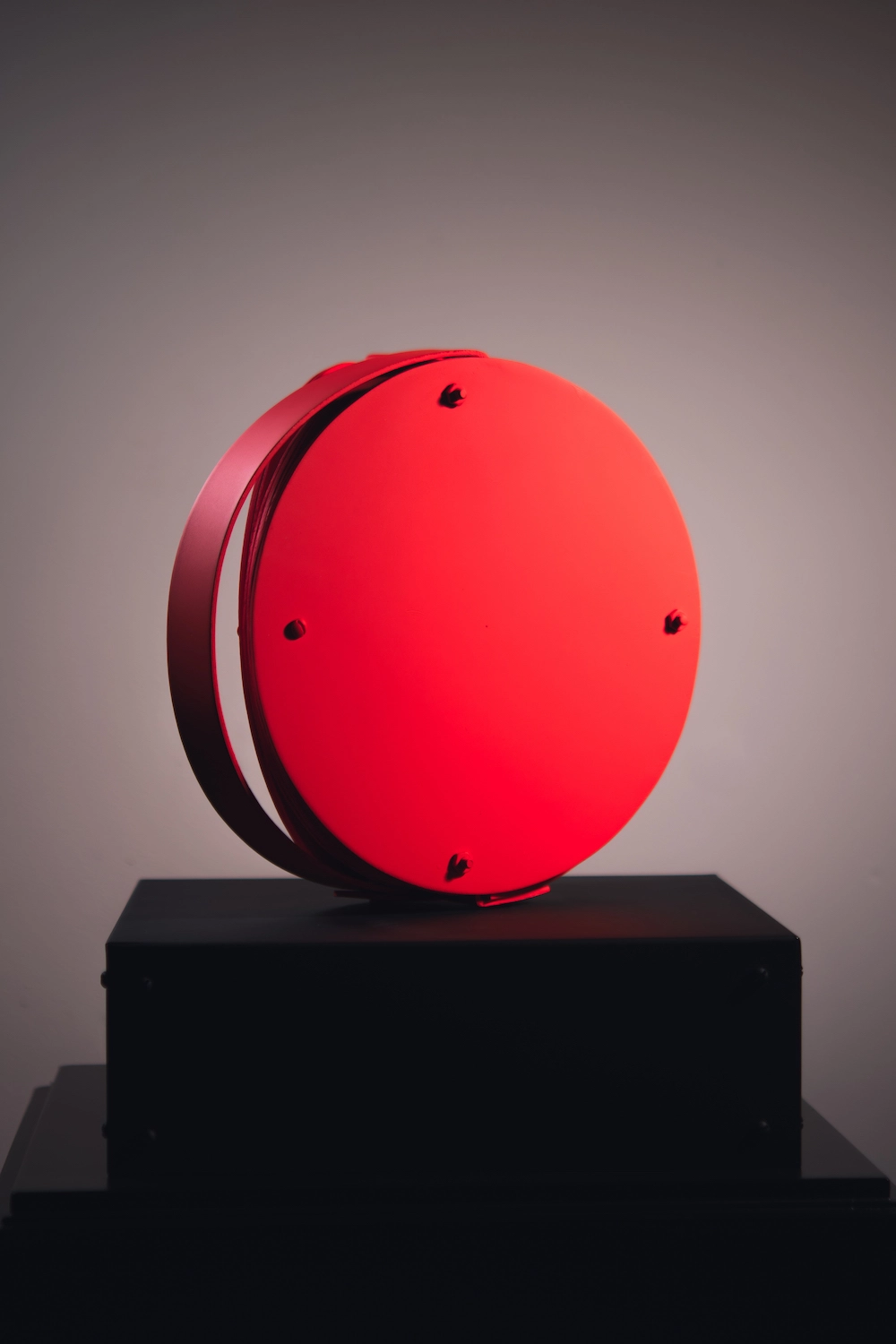
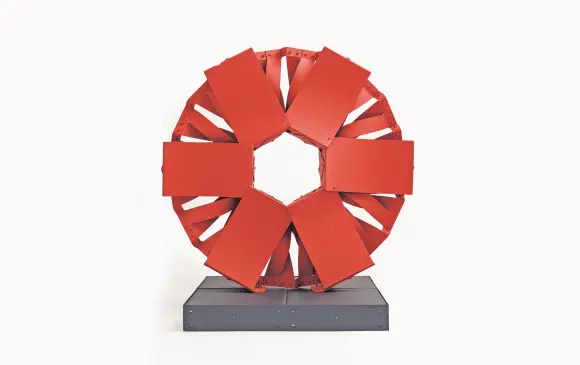
Edgar Negret was a Colombian artist known for his geometric sculptures. His works represented natural forms such as the sun and flowers using industrial materials. It was the artist’s feeling that reusing mechanical forms into non-utilitarian objects was a magical act.

Selected Artwork

Andean toy, 1988

Painted aluminum
38 x 25 x 25 cm
15 x 9 7/8 x 9 7/8 in

Bird, 1995

Painted aluminum
26 x 23 x 13 cm
10 1/4 x 9 x 5 1/8 in

Sanky Flower, 1991

Painted aluminum
41 x 30 x 30 cm
16 1/8 x 11 3/4 x 11 3/4 in

Arbol, 1984

Painted aluminum
38.5 x 23.3 x 23.3 cm
15 1/8 x 9 1/8 x 9 1/8 in

Measurement, 1990

Painted aluminum
105 x 45.5 x 45.5 cm
41 3/8 x 17 7/8 x 17 7/8 in

Star, 1994

Painted aluminum
60 x 60 x 20 cm
23 5/8 x 23 5/8 x 7 7/8 in

Butterfly, 1998

Painted aluminum
36 x 44 x 40 cm
14 1/8 x 17 3/8 x 15 3/4 in

Escalera, 1974

Painted aluminum
140 x 60 x 60 cm
55 1/8 x 23 5/8 x 23 5/8 in
Unique edition

Fabric, 1992

Painted aluminum
43 x 40 x 7 cm
16 7/8 x 15 3/4 x 2 3/4 in

Exhibitions

Collective: Dialogues + Reflection

Medellín, Colombia
July 2020

Biography

Edgar Negret
On October 11, 1920, Edgar Negret was born in Popayán, son of General Rafael Negret Vivas and María Dueñas. He studied at the School of Fine Arts of Cali between 1938 and 1943. Initially he began with watercolors and pastels, but it did not take him long to learn that he would not develop his career in these techniques. In his last year he began to have contact and correspond with the Basque artist Jorge de Oteiza, whom he met in his hometown and with whom he used to talk and learn about modern sculpture.
 
In 1944, Negret began working on plaster sculpture: heads of the poets Walt Whitman, Guillermo Valencia, Gabriela Mistral and Porfirio Barba-Jacob, religious and mythological themes, which although they showed physical features of the characters they portrayed, did not leave aside the abstract touch that so characterizes the sculptor. These works would be part of his first exhibition in Bogotá.
 
In 1948 he traveled to New York for the first time, to the Clay Club Center (currently Sculpture Center), where he began to experiment with wire, metal and iron, and by 1949 he began to use metal more frequently.
 
He would then travel to different European capitals for 5 years, and then return for another 7 years to New York, and then settle again in the city where he was born, and, finally, settle in Bogotá until his death.
 
During his return to New York, Negret has possibly the most important period in his artistic brand, which is when he begins to use aluminum as a raw material. Thus, between modeling geometric shapes and giving them life through color, the artist’s characteristic style that gave him the title of representative of modern Colombian sculpture shines.
 
The series that would have the most recognition is “Magical Devices”, made in 1957, where it puts the modern concept of industry, specifically the machine, as the center. It makes sense in his words, “reusing mechanical forms in non-utilitarian objects was a magical act”.
 
This is how geometric abstraction, enhancing volumes and generating voluptuous and expressive forms become the characterization of his work, establishing him as one of the greatest masters of modern sculpture in Latin America; In the words of critic Marta Traba:
 
Negret was, therefore, in Colombia, a pioneer of contemporary plastic arts, which is not necessarily a value judgment. But in addition to this merit, Negret was perfecting, over approximately ten years of working in metals, a powerfully original language. Although he can be classified among the neo-classical, or neo-geometric, or “edge” sculptors, his work does not repeat the general findings nor does it fully adhere to any group position; It is exclusively his, crafted with a strange and stubborn perfectionist sense, until the internal space and the metal plates come to accept the deep rhythmic discipline that he imposes on them. This energetic game of formal relationships cannot be considered, in any way, as a display of manual dexterity: it is sustained and animated by a dense, calm content. Letting the forms pass, flow slowly, couple, transfigure until they acquire a powerful personality: such is the context that irrigates the forms.
 
In 2017, his exhibition Humanized Geometry was presented, which constitutes an anthological tour of the most relevant periods of the master’s work. In relation to some of these works, it can be stated that Negret achieves the union of two traditionally antagonistic sculptural principles, the constructivist and the organicist, since many of these pieces could be described as figurative, totally representative, without the material, its construction system or its geometric patterns making the formal description or recognition of their features difficult.
 
He died on October 11, giving a circular closure to his life. Today, his works are found in the collections of the Museum of Modern Art in New York, the Stedelijk Museum in Amsterdam and the Museum of Modern Art in Bogotá.

Ask about Edgar Negret artwork

Articles

Selected
stories
Edgar Negret | Galería Duque Arango

Sep

25

Negret, the sculptor who transformed metal into poetry

Edgar Negret - Esculturas | Galería Duque Arango

Oct

12

Edgar Negret: Freedom, Shapes and Colors