Latin American art records at auctions:
Latin American art experienced an exceptional year in 2025, with record figures in auctions, a wide presence in international fairs and global exhibitions that highlighted its diversity.
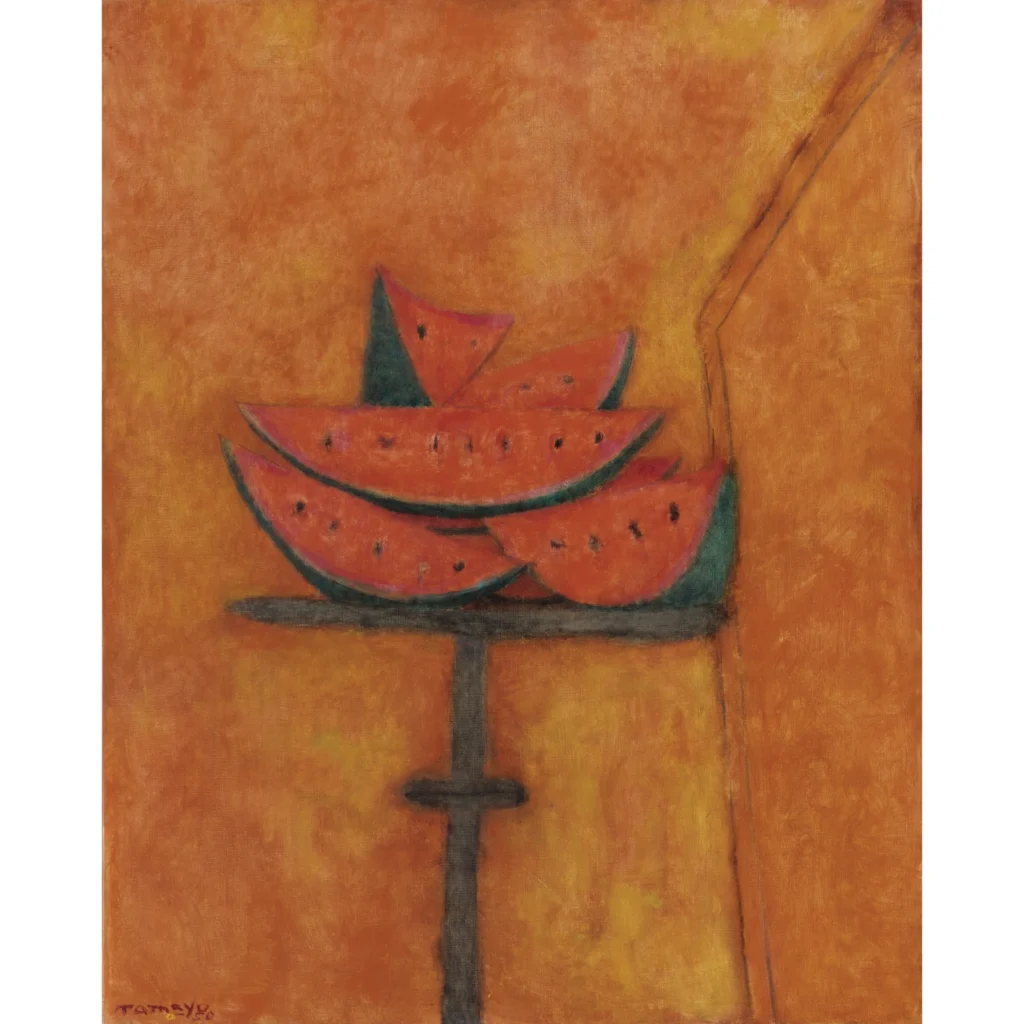
Sales of Latin American art reached historic figures at auction houses – for example, Sotheby’s exceeded $20.2 million with pieces by Rufino Tamayo (such as Watermelon Slices, sold for around $2.21 million). Christie’s added $20.51 million, dominated by modern Cuban and Mexican art. ArtTactic reported that total sales at Latin American auctions in 2025 broke records despite a weaker global market. This record demand reflects the growing interest in modern and contemporary art in the region.
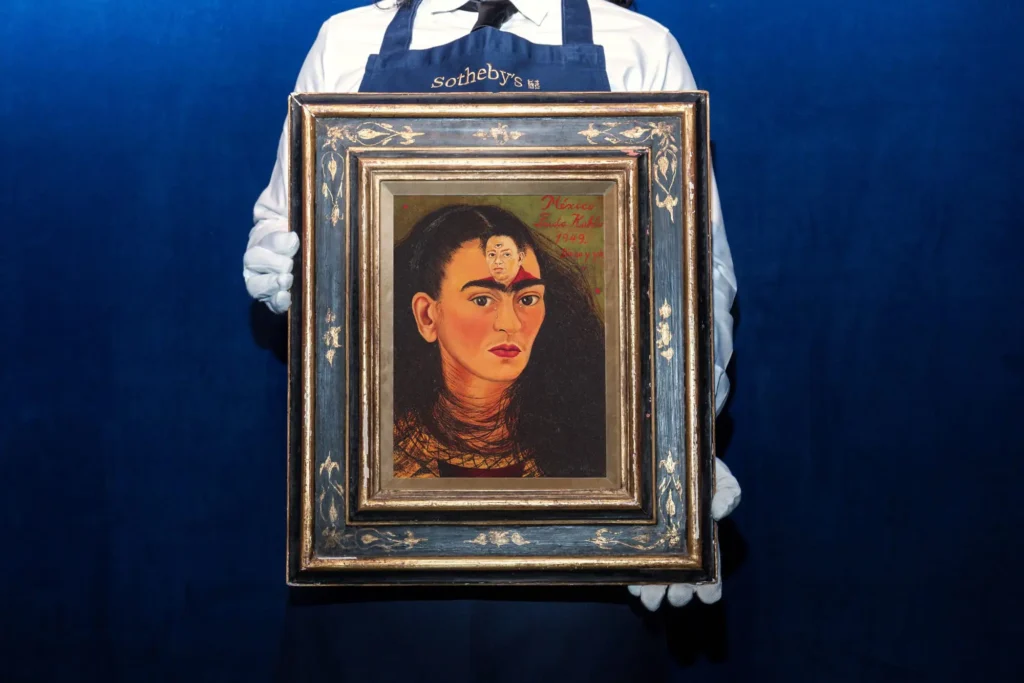
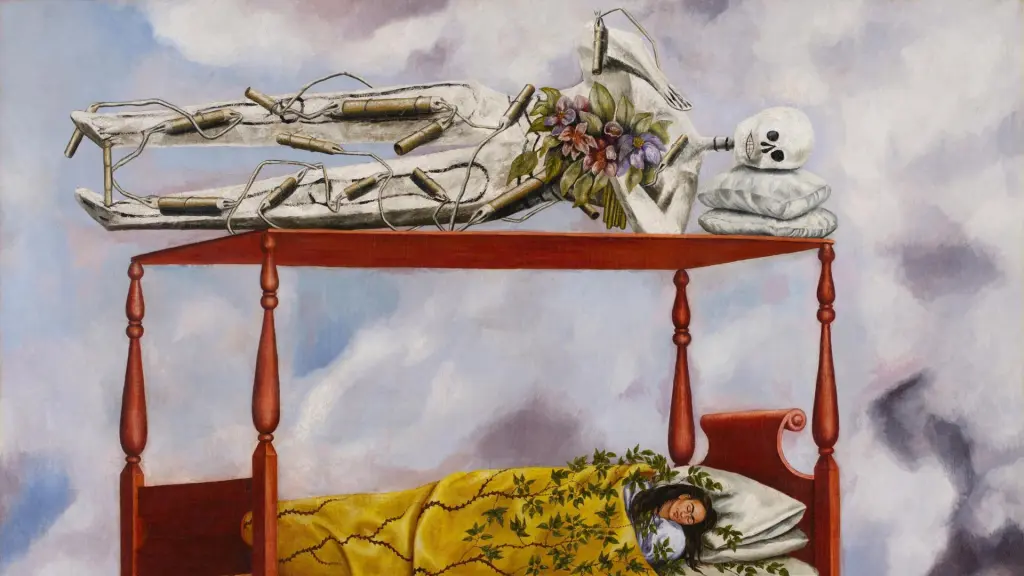
New highs were also reached for Jesús Rafael Soto (Un Trou sur l’Orange at $758K), Carlos Cruz-Diez (Physichromie 88 at $518K). In November 2025, Sotheby’s New York sold Frida Kahlo’s iconic El sueño (La cama) (1940) for $54.7 million, setting a new auction record for a female artist in history.
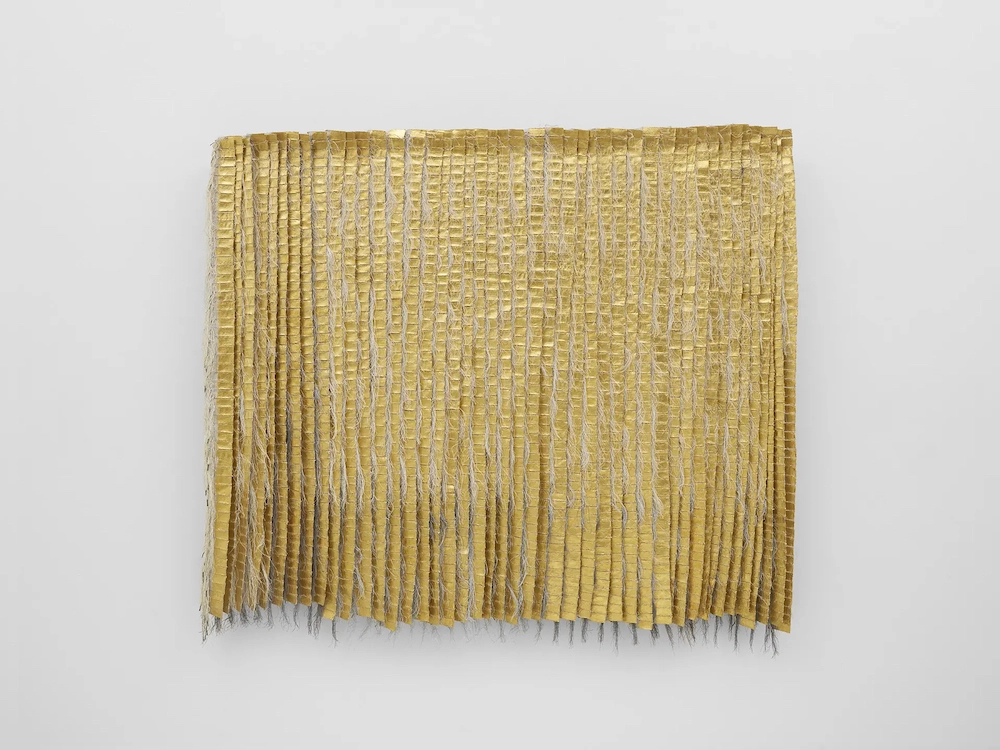
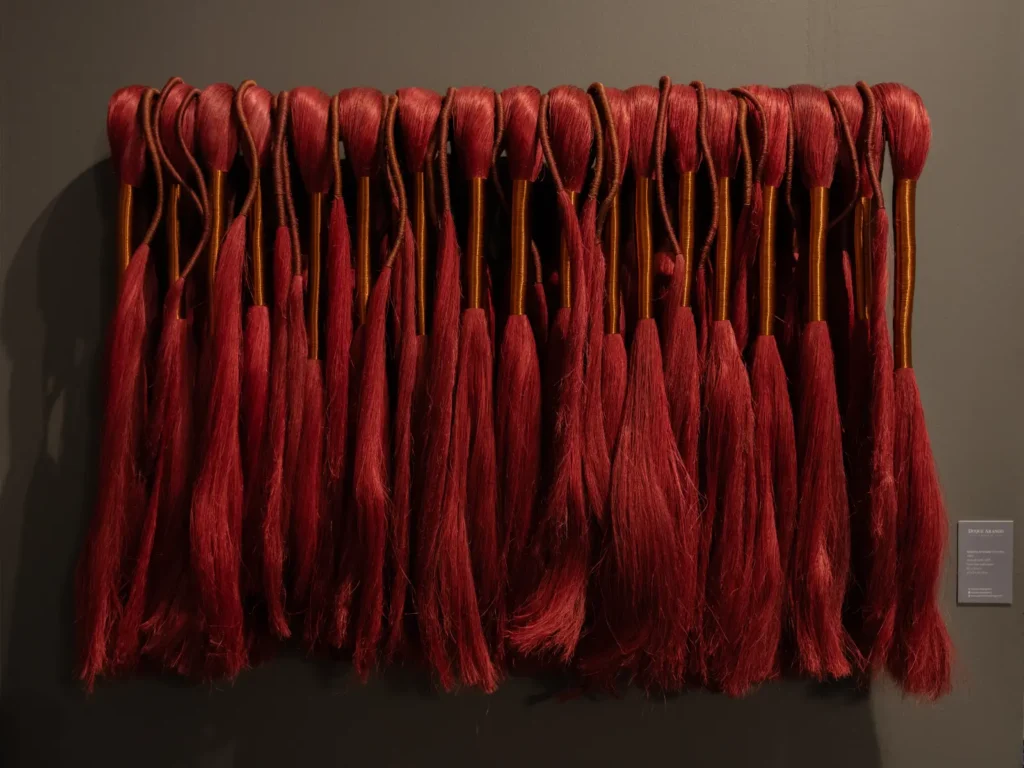
In the same week, Colombian Olga de Amaral broke her own record when her work Pueblo H (2011) was auctioned at Christie’s NY for $3.12 million (5x above high estimate).
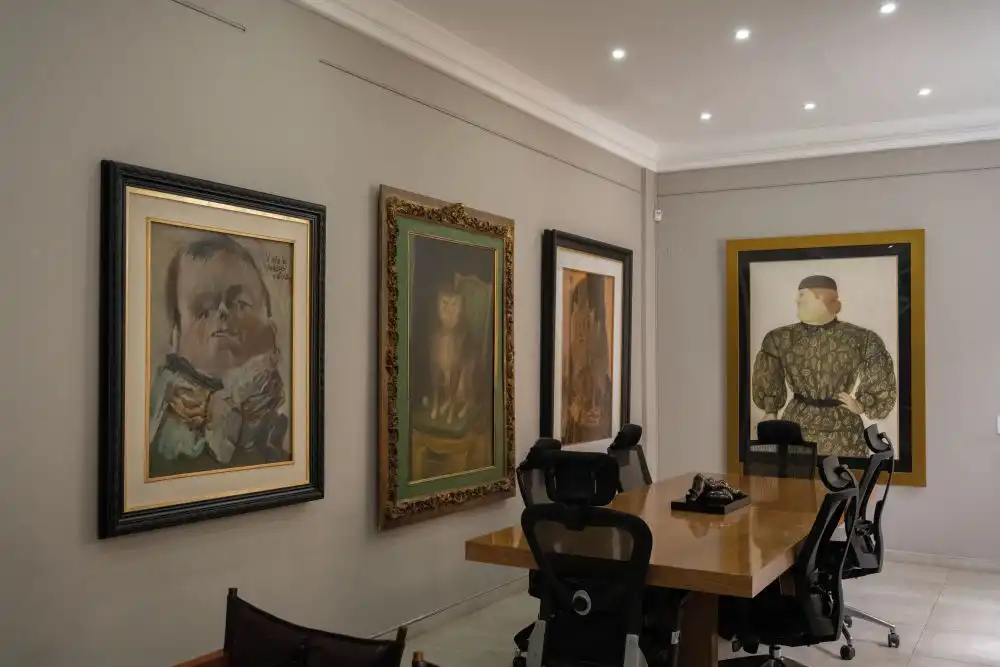
At Christie’s NY “Latin American Art” sale, a 1989 Fernando Botero led the lot at $1.17M and other Latin American artists also fetched seven-figure results.
International exhibitions where Latin American art was the protagonist:
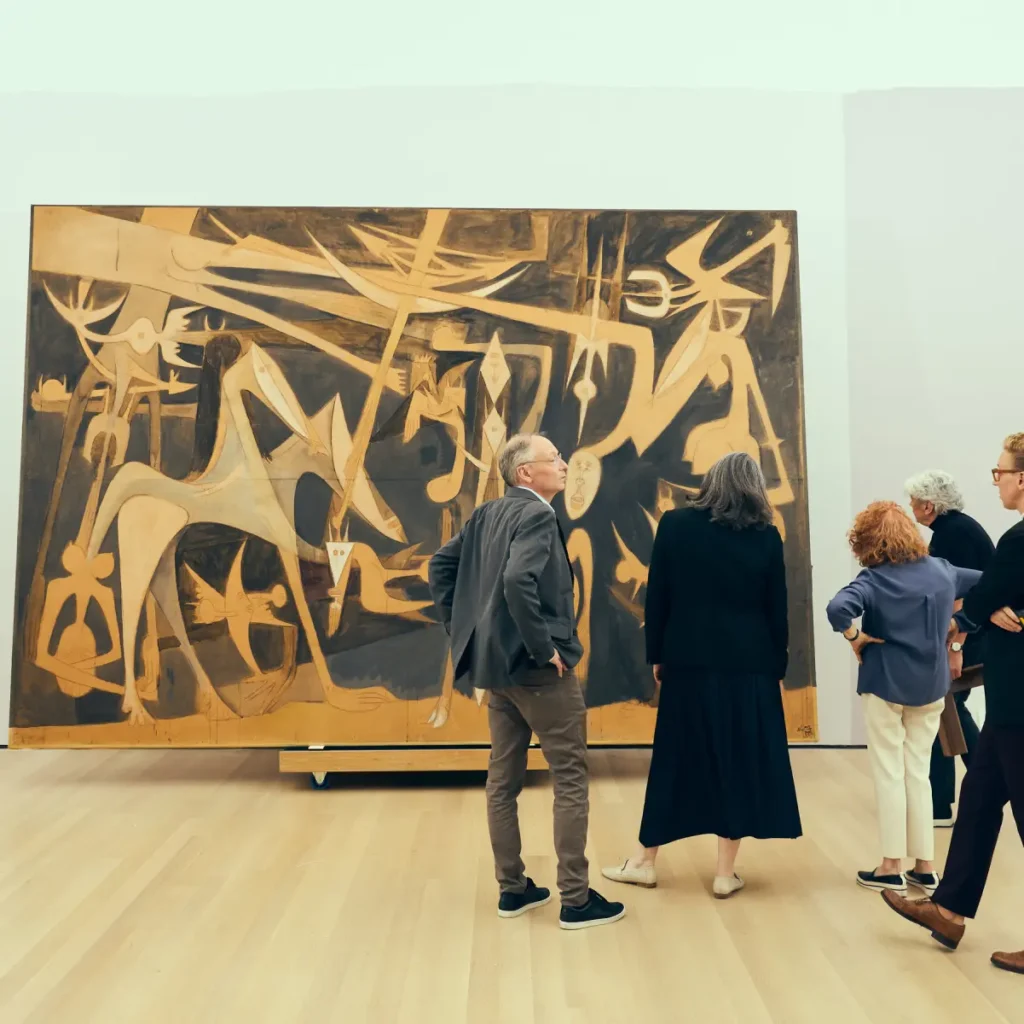
New retrospectives and exhibitions highlighted Latin American art in major museums. New York’s MoMA presented “Wifredo Lam: When I Don’t Sleep, I Dream” (Nov. 2025–Apr. 2026), the first comprehensive U.S. retrospective of the Cuban painter Wifredo Lam.
The ICA Miami dedicated (May–Oct 2025) a major retrospective to the Colombian artist Olga de Amaral after her success in Paris, showing more than 50 works from six decades.
The Americas Society (NY) organized “Geometric Equations” (June–July 2025), the first institutional solo exhibition of Colombian painter Fanny Sanín in New York.
In addition, the tour of “Tarsila do Amaral: Painting Modern Brazil” continued in 2025 (Museo du Luxembourg, Paris Oct 2024–Feb 2025, and then Guggenheim Bilbao Feb–Jun 2025).
The Malba (Museum of Latin American Art, Buenos Aires) organized a mega-exhibition in Doha entitled LATIN AMERICAN. Modern and Contemporary Art from the Malba and Costantini Collections . It included masterpieces such as Frida Kahlo’s Self-Portrait with Monkey and Parrot (1942), Diego Rivera’s Dance in Tehuantepec (1928), Fernando Botero’s The Widower (1968) or Antonio Berni’s Sleeping Juanito. It also brought together kinetic and abstract art (Matta, Varo, Torres-García, Vicuña, Wifredo Lam).
Institutional acquisitions of Latin American art:
International museums have expanded their collections with Latin American art. In December 2025, collector Eduardo Costantini announced that MALBA (Buenos Aires) had acquired the Daros Latinamerica Collection (Zurich): 1,233 works by 117 artists, doubling its holdings to approximately 3,000 works. This acquisition added pieces by Doris Salcedo, Mendieta, Carlos Cruz-Diez, Soto, and others, solidifying MALBA’s position as a global leader in the field.
In the US, the Guggenheim Museum in NY acquired the work Additive Spectrum (2022) by Venezuelan Loriel Beltrán, expanding its contemporary collection with new Latin American voices.
Other notable donations and purchases in 2025 included Latin American sculptures and installations for Tate Modern and LACMA, although MALBA and Guggenheim led the international attention.
International trade fairs and events
2025 confirmed America as the epicenter of contemporary art thanks to global events that highlighted Latin America.
Art Basel Miami Beach 2025 (December): It was the region’s premier showcase. The edition brought together 285 galleries from 44 countries, maintaining its position as the largest art event in the Western Hemisphere. More than two-thirds came from the Americas, with an explicit focus on Latin American, Indigenous, and diaspora artists. Several Latin American exhibitors made their debut.
Pinta Miami 2025 (December): The leading Latin American art fair celebrated its 19th edition in Miami with 40 galleries from 25 cities and more than 500 works on display. Over 16,000 visitors attended, solidifying Pinta’s position as a magnet for collectors and professionals interested in regional art.
Zona MACO 2025 (February): The Mexico City art fair, the largest in Latin America, brought together 200 galleries from 29 countries. Its program included sections on contemporary art, design, photography, and antiques. Works by renowned regional masters were exhibited.
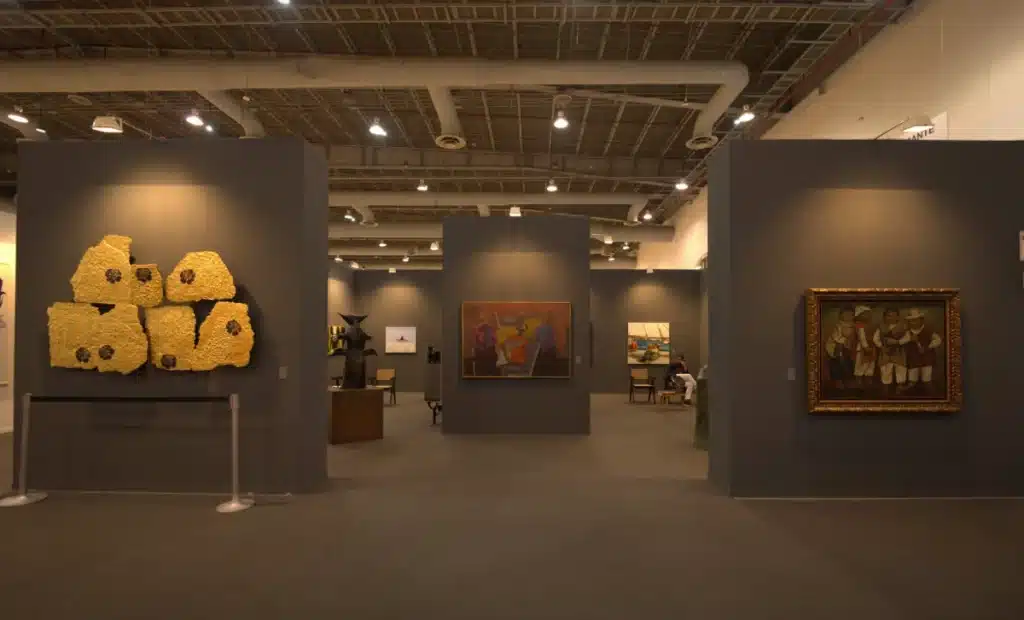
ARCOmadrid 2025 (March): It featured the participation of 214 galleries (from 36 countries); there was a strong Brazilian and Argentine presence and critics highlighted that “Madrid is the bridge of the art world with Latin America.”
Trends in Latin American art
The 2025 outlook also revealed new conceptual and formal trends in the region:
Reimagined historical narratives: The artists reinterpret colonial processes and memories of violence using contemporary media (installations, video, performance). The recovery of “silenced histories” from a current perspective was key: a critical view of Latin American identity is prioritized.
Eco-art and sustainability: Artists from Colombia, Brazil, Peru, and other countries have incorporated natural materials, ancestral techniques, and environmental discussions into their works. This trend responds to the global climate crisis and seeks to reclaim Indigenous knowledge.
Textile art renaissance: Traditional weaving and Indigenous/Afro-descendant expressions (warrior garments, headscarves, embroidery, molas) experienced a resurgence in contemporary contexts. New fiber works link past and present, showcasing native techniques in modern artistic formats.
Diversity and social issues: There has been a growing presence of women and dissident artists who address gender, body, territory, and identity from a cultural perspective. These discourses occupy previously marginalized spaces, empowering diverse voices.
Concrete Abstraction Revitalized: South American abstract art experienced a remarkable resurgence in 2025. Auctions of pioneers like Lygia Pape and Hélio Oiticica set records, and major global galleries such as Hauser & Wirth and Pace began representing established and emerging artists within this tradition. Museums like the Getty and MoMA began to reevaluate movements such as Neo-Concretism and South American Kinetic Art, placing them at the center of global art history.
Renewed Collecting: According to UBS–Art Basel, 72% of collectors in Brazil plan to buy art in the next 12 months, the highest purchase intention in the world, demonstrating the maturity of the Brazilian market. Overall, a new, younger, and more diverse collector profile is emerging, with a strong inclination to discover new artists. This is driving a more dynamic and interconnected Latin American market.
These trends showcase Latin American art as a critical, innovative voice deeply rooted in its social reality. 2025 made it clear that the region is producing works of universal scope, from historical reinterpretations to radical aesthetics, all with increasing vigor.
Learn more about Latin American art: