Oswaldo Guayasamin’s art is synonymous with a visual language that defined the emotional and political consciousness of the twentieth century in the region. Today, the legacy of Guayasamín occupies a singular place in the global art market. His oeuvre is protected by the Ecuadorian state, carefully documented by his foundation, and increasingly sought after by collectors who recognize the importance of museum-level Latin American modernism.
Within this context, the sustained curatorial and exhibition work carried out by galleries with direct experience handling his production becomes essential. Over the years, Duque Arango Galería has developed a consistent relationship with the study and presentation of the works of Oswaldo Guayasamín, contributing to the visibility of his legacy in Colombia and beyond.
About Oswaldo Guayasamín: His biography and importance
Born in Quito in 1919, Oswaldo Guayasamín emerged during a period of profound social transformation across Latin America. The son of a mestizo father and an Indigenous mother, his life shaped the ethical and emotional framework of his artistic practice. From the earliest stages of his career, he demonstrated a commitment to depicting human suffering, injustice, and resilience, subjects that would later define his most important series.
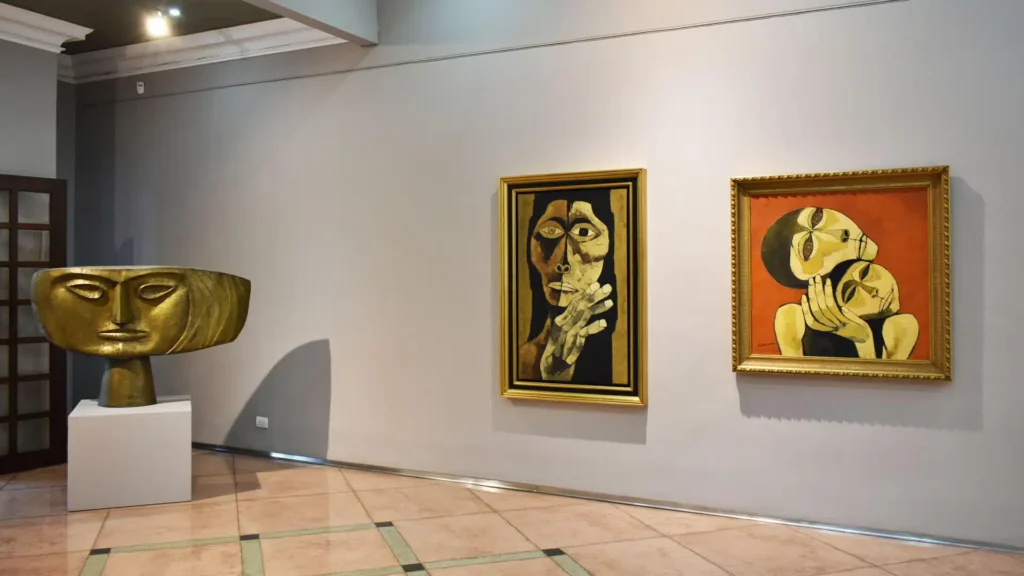
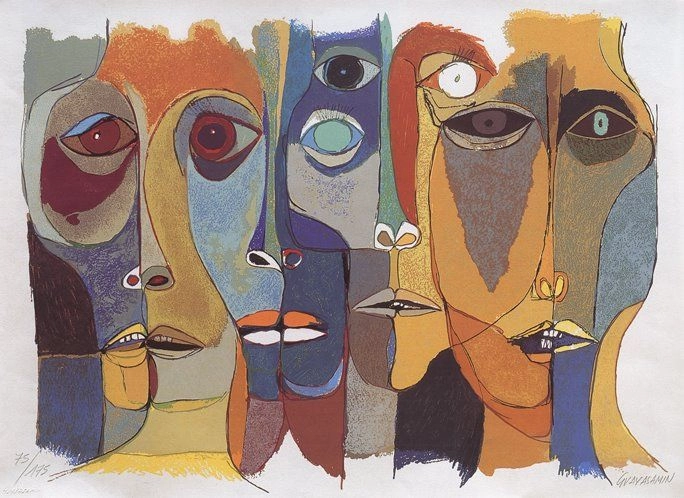
Rather than adhering strictly to European modernist traditions, Guayasamín developed a language that fused expressionism with social testimony. His figures are elongated, fragmented, and often marked by exaggerated hands and faces. These formal distortions are not stylistic accidents; they are deliberate visual strategies designed to communicate pain, dignity, and endurance.
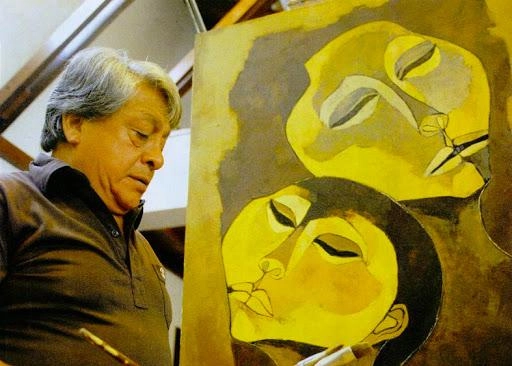
Collectors familiar with twentieth-century art movements often situate Guayasamín alongside major expressionist traditions, yet his work remains distinctly Latin American in both subject and philosophical intent. He addressed themes such as war, political repression, poverty, and maternal grief, transforming them into universal symbols of human experience.
This capacity to translate regional history into global visual language is one of the reasons why Oswaldo Guayasamín works continue to resonate with collectors, curators, and institutions worldwide.
La Edad de la Ira
Among the most significant bodies of artworks of Oswaldo Guayasamín is the monumental series La Edad de la Ira (The Age of Anger), developed between the 1960s and the 1990s. This cycle represents one of the most powerful visual chronicles of violence and suffering in the modern era.
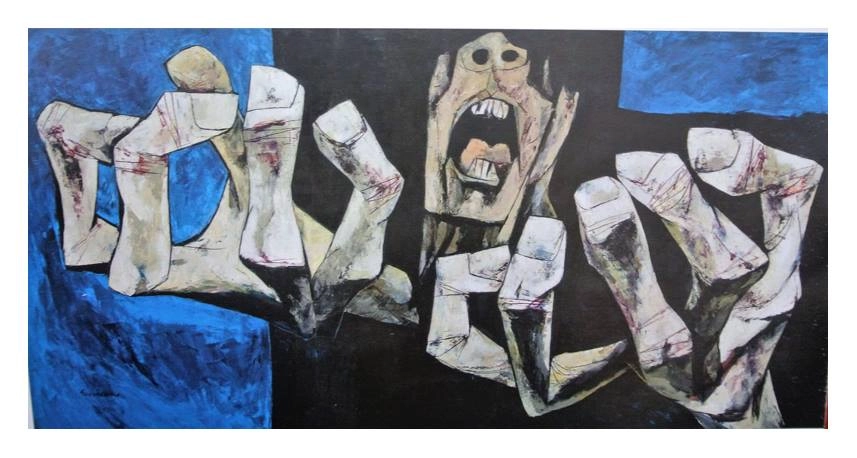
The series addresses the trauma of the twentieth century: wars, dictatorships, and systemic injustice, through a sequence of paintings characterized by dramatic color palettes and emotionally charged compositions. Faces appear distorted by anguish, hands are clenched in gestures of desperation, and backgrounds often dissolve into fields of dark tonalities.
Scarcity, combined with strong provenance and scholarly documentation, has positioned these paintings among the most important works of Oswaldo Guayasamín in terms of cultural and market value.
La Edad de la Ternura
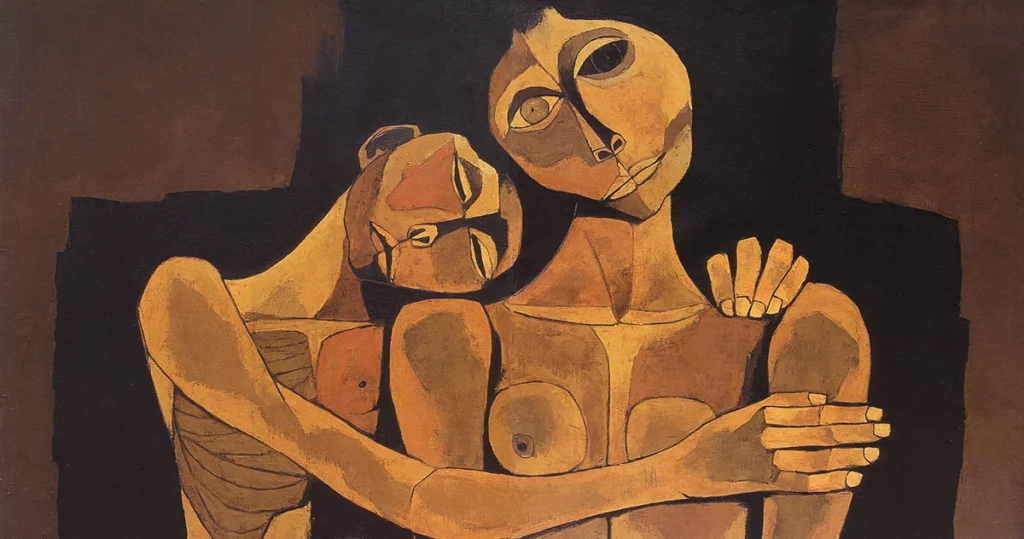
In contrast to the intensity of La Edad de la Ira, Guayasamín developed another major series dedicated to tenderness, affection, and maternal love. Known as La Edad de la Ternura (The Age of Tenderness), this body of work focuses on the relationship between mother and child, presenting moments of quiet intimacy rendered through simplified forms and luminous color harmonies.
The emotional tone of these paintings is markedly different from his earlier works. Here, Guayasamín explores vulnerability as connection, an universal theme that transcends geography and culture.
Oswaldo Guayasamín: Cultural Protection and National Heritage
One of the defining characteristics of the market surrounding the artworks of Oswaldo Guayasamín is the level of institutional protection attached to his legacy. In Ecuador, his work is considered part of the country’s cultural heritage, and strict regulations govern authentication, exportation, and conservation.
The Fundación Guayasamín, established by the artist himself, oversees the preservation of his archives, catalogues, and intellectual property. This foundation plays a critical role in verifying provenance and maintaining the integrity of the market. As a result, collectors benefit from a robust framework that safeguards authenticity and historical documentation.
This level of protection is relatively rare in the global art market and significantly enhances the long-term stability of Guayasamín’s work as a collectible asset. Pieces with documented provenance and institutional recognition tend to maintain strong demand, particularly among collectors focused on museum-quality Latin American art.
Duque Arango Galería and the Exhibition Dolor y Esperanza
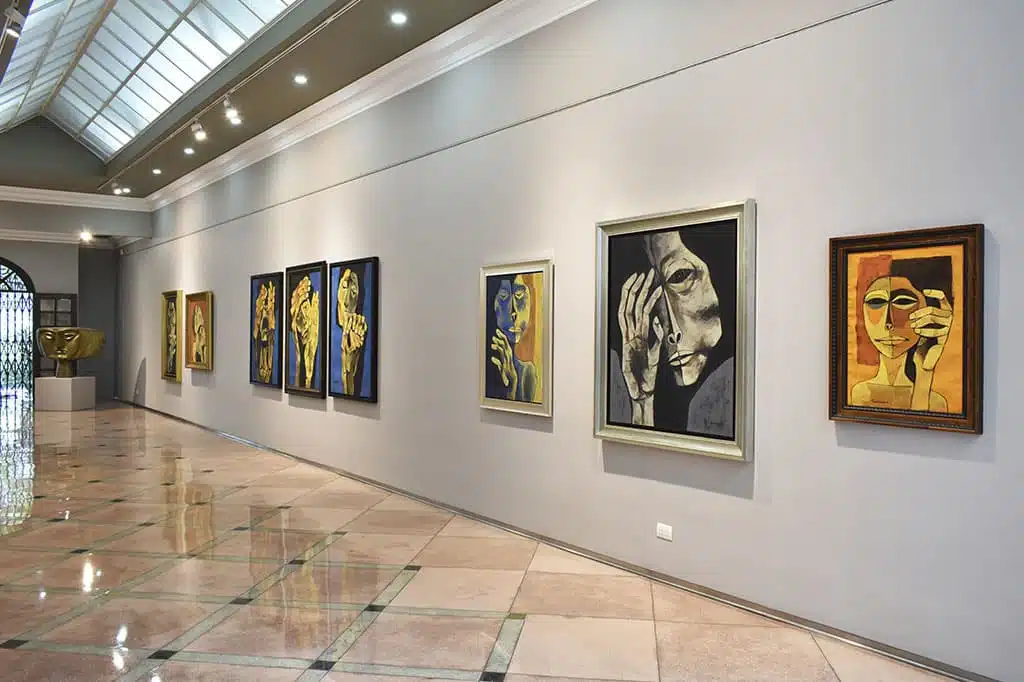
Within the regional context of Latin American art, Duque Arango Galería has played a meaningful role in presenting and contextualizing the legacy of Guayasamín. The gallery has organized exhibitions dedicated to his work, including the notable presentation titled Dolor y Esperanza (Pain and Hope), which explored the emotional and philosophical dimensions of his artistic production.
This exhibition brought together a selection of artworks of Oswaldo Guayasamín that reflected the duality at the core of his practice, the coexistence of suffering and resilience. Through careful curatorial framing, the exhibition emphasized the timeless relevance of his themes and the technical mastery evident in his compositions.
Market Relevance and Collector Interest
In recent decades, the global art market has witnessed a growing recognition of Latin American modernism. Within this landscape, Oswaldo Guayasamín works occupy a distinctive position. Their rarity, institutional backing, and emotional resonance make them particularly attractive to collectors focused on building coherent and historically meaningful collections.
Several factors contribute to sustained demand:
- Cultural significance: Guayasamín is widely recognized as a central figure in Latin American art history.
- Institutional validation: Museums, foundations, and government institutions actively preserve and promote his legacy.
- Limited supply: Many major works remain in public collections, reducing the number available on the private market.
- Provenance and documentation: Authentication processes ensure the integrity and traceability of each piece.
More than two decades after his passing, the influence of Oswaldo Guayasamín remains deeply embedded in the visual and cultural history of the Americas. His paintings continue to be studied, exhibited, and collected not only for their aesthetic qualities but for the ethical vision they embody.