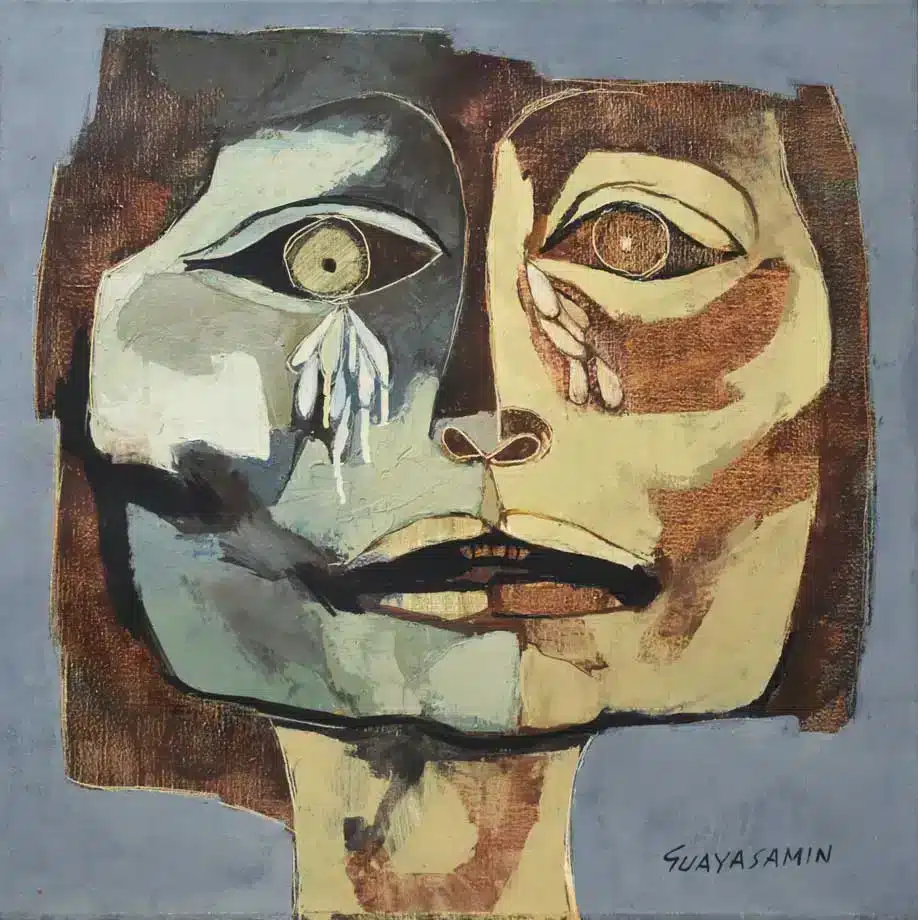
Oswaldo Guayasamín (1919-1999) was an Ecuadorian artist whose emotive paintings and sculptures delved into the core of human experience. Characterized by bold colors and distorted figures, Guayasamín’s artworks reflected and denounced social and political problems. His legacy endures, shaping contemporary art worldwide by inspiring artists to explore the deep complexities of the human condition.
His art was characterized mainly by his expressionism that managed to capture the human condition in its various facets. Guayasamín’s paintings often depict the anguish, suffering and resilience of humanity, reflecting the tumultuous times in which he lived.
Acrylic on canvas
122 x 122 cm
48 1/8 x 48 1/8 in
Guayasamín’s influence extends internationally, as his art resonates with audiences that recognize the universal themes he addresses. His legacy is evident in the way contemporary artists continue to explore the human experience through emotionally charged and socially relevant works.
Guayasamín’s impact lies not only in his artistic brilliance, but also in his ability to provoke thought, inspire change and foster empathy, showing that art can re-imagine social and political situations.
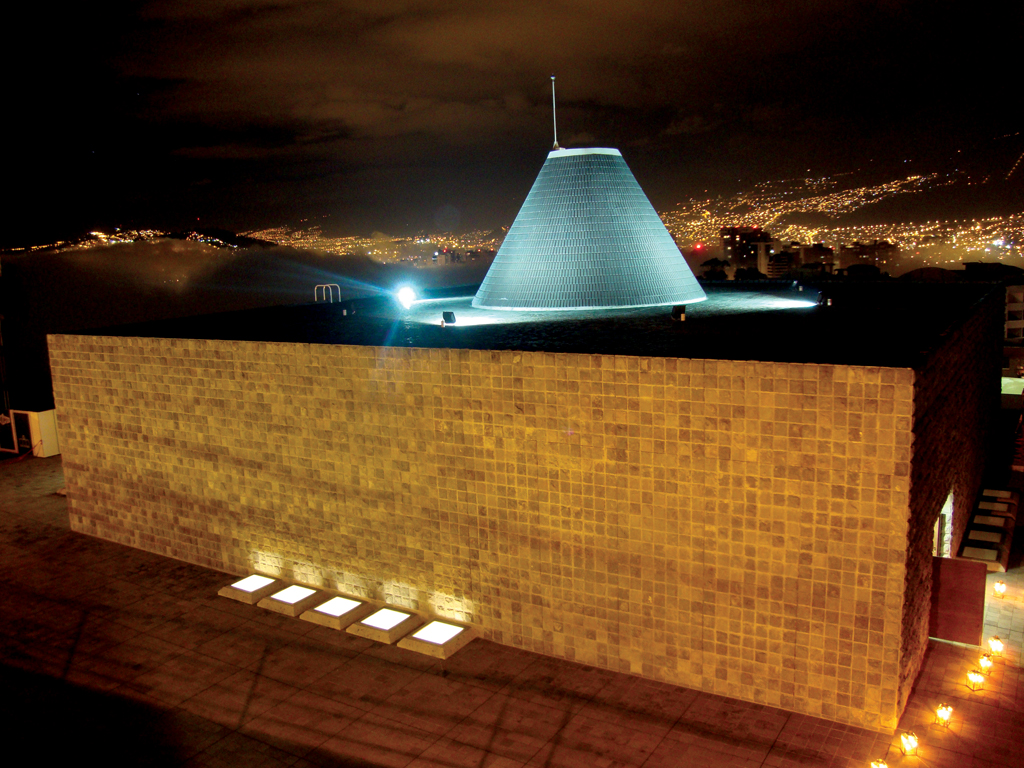
One of Guayasamín’s most outstanding contributions to contemporary art is the creation of the “Capilla del Hombre” (Chapel of Man) in Quito, Ecuador. This museum, designed by the artist himself, houses a vast collection of his works and serves as a testament to his commitment to social justice. The Chapel stands as a symbol of hope and a call to action against oppression and inequality.
The meaning of Guayasamin’s paintings
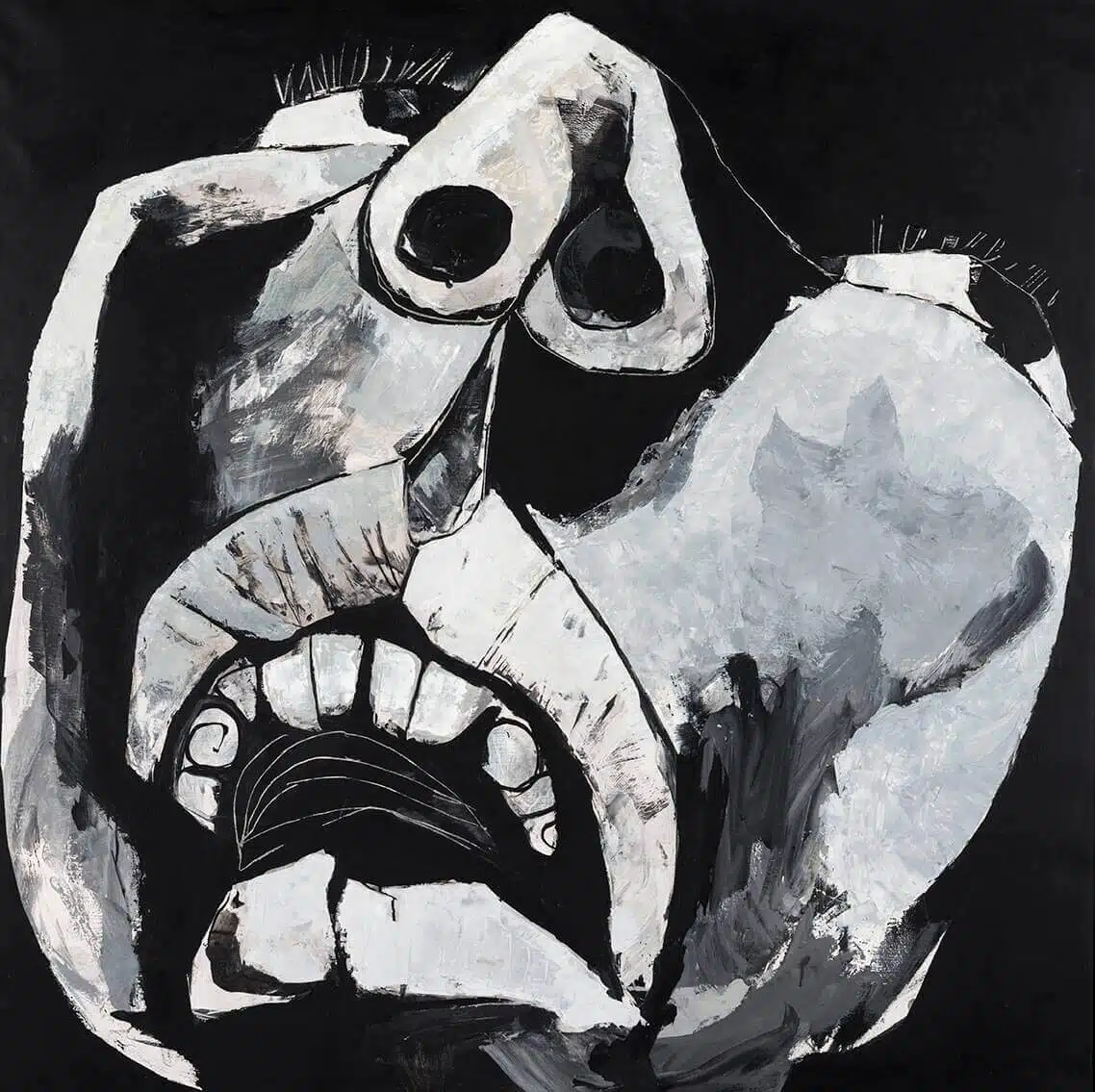
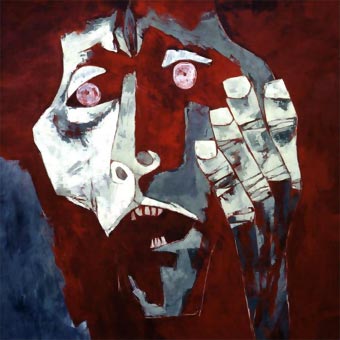
In one of his iconic series, “The Age of Wrath,” Guayasamín masterfully portrayed the anguish and suffering of the specter of man, through distorted and contorted figures immersed in the chaos of conflict. The expressive intensity of pieces such as “Tragedy” and “Despair” serves as a visceral reminder of the brutality of war.
In contrast, the series “The Age of Tenderness” revealed a sweeter dimension of Guayasamín’s artistic talent. This series focused on family relationships and the vulnerability inherent in human connections as a way of paying homage to his mother’s unconditional love. Works such as “The Mother” and “The Children” showed his ability to infuse tenderness into his art while maintaining a keen awareness of the fragility of life.
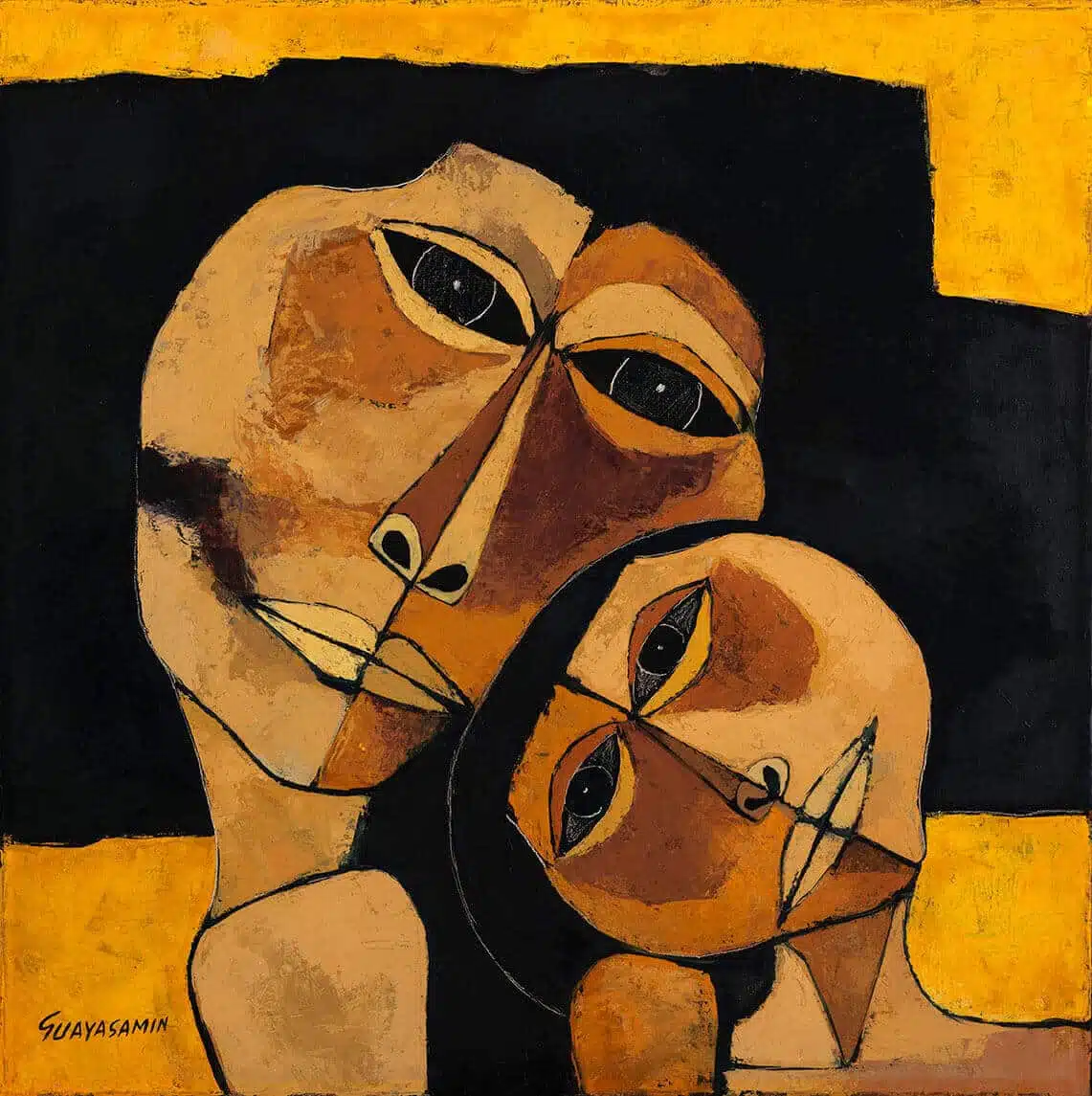
Oil on canvas
75 x 75 cm
29 1/2 x 29 1/2 in