Artists represented by Duque Arango Gallery: new additions and an ongoing dialogue with contemporary art
Artists represented by Duque Arango Gallery: new additions and an ongoing dialogue with contemporary art
In the contemporary art ecosystem, the relationship between a gallery and its represented artists is more than a professional bond; it is a dialogue sustained over time, based on trust, curatorial coherence, and a shared vision of the place that art occupies in society.
Duque Arango Gallery reaffirms its commitment to Latin American art and collecting by welcoming two new represented artists this year: Alejandra Aristizábal and Andrés Moreno.
This addition complements a robust artistic program that brings together established creators and relevant contemporary proposals.
An art gallery with vision and curatorial criteria
Talking about artists represented by an art gallery means talking about selection, support, and promotion. Over more than four decades, Duque Arango Galería has built a program that combines historical rigor with a careful reading of the present. Its work has focused on representing artists whose work engages with the major themes of contemporary art, maintaining high technical and conceptual quality.
This approach has made it possible to consolidate a reliable space for both artists and collectors seeking original works of art, coherent proposals, and expert guidance when building or expanding a collection.
New artists represented: Alejandra Aristizábal and Andrés Moreno
This year, Duque Arango Gallery announced the addition of Alejandra Aristizábal and Andrés Moreno as represented artists, marking a significant moment in its exhibition program.
Alejandra Aristizábal, textile artist
Alejandra Aristizábal is an artist born in Manizales in 1987. She grew up surrounded by Andean landscapes, which marked her deep connection with nature and organic materials from an early age. She studied Visual Arts at Miami International University of Art & Design, exploring painting, photography, and sculpture before discovering her vocation for indigenous textiles, especially fique, a natural fiber used since ancient times in the Andes.
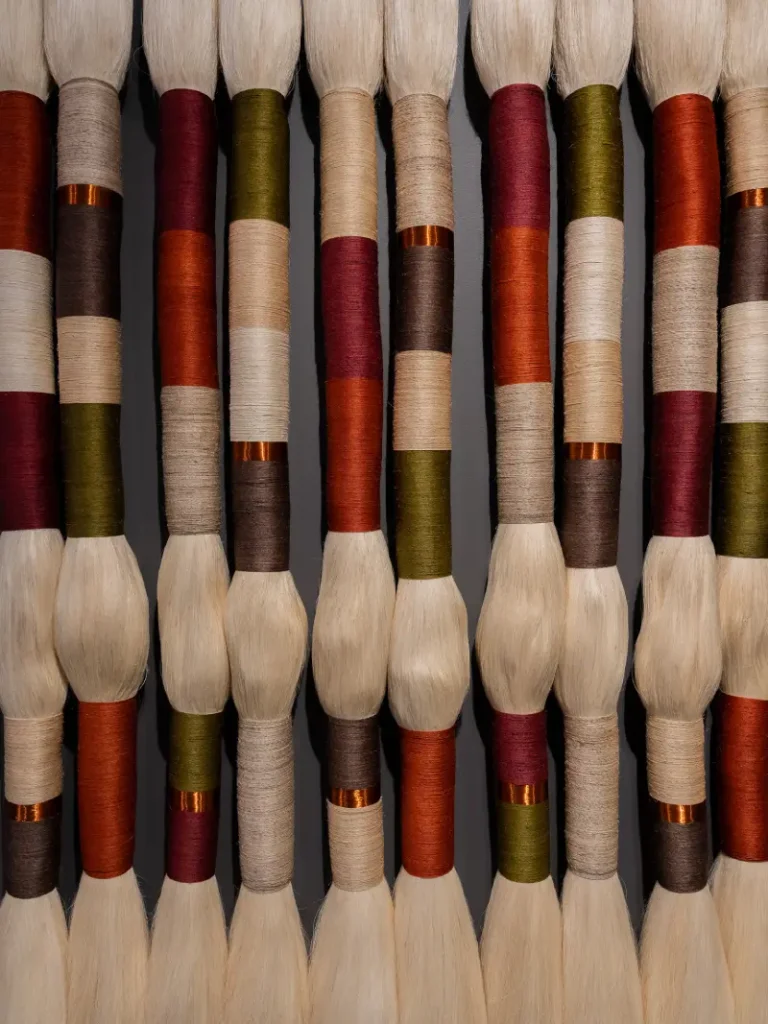
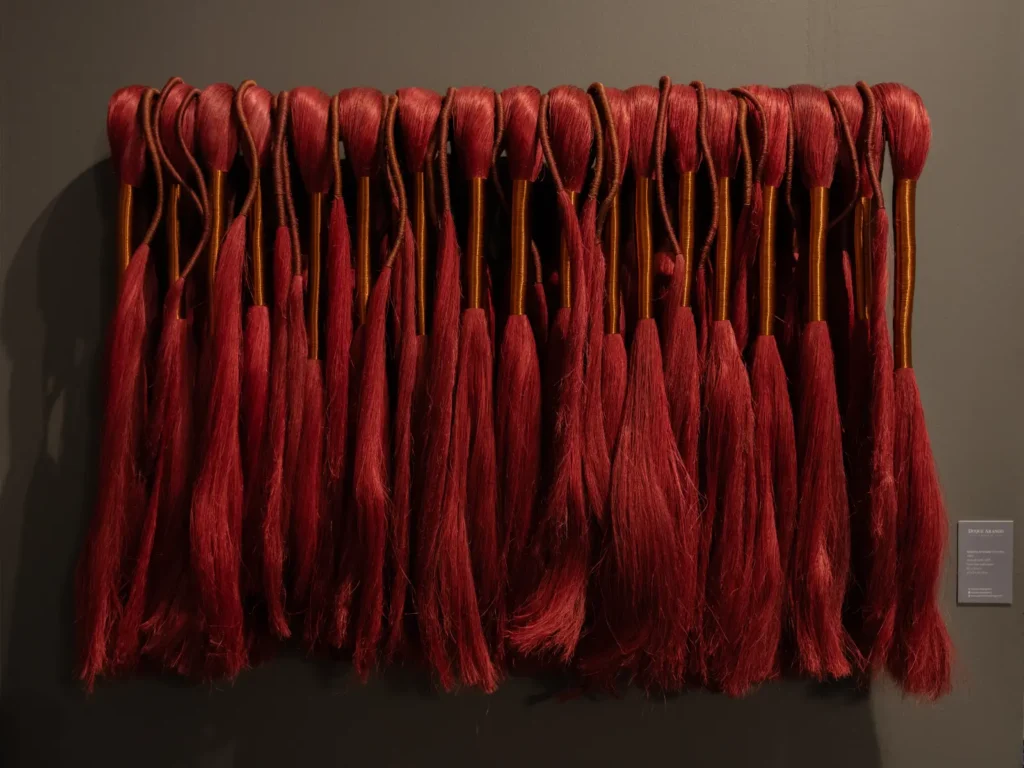
Her work has evolved toward textile sculptures and large-scale objects. She uses fique to create hanging pieces that resemble giant roots, tangled fibers, or three-dimensional tapestries that occupy space with a powerful physical presence. She often incorporates metal threads to structure the fibers, creating tension between the organic and the industrial. This combination allows her to bring traditional craftsmanship into dialogue with contemporary concerns such as sustainability, cultural memory, and the empowerment of indigenous farming communities.
In her work, Alejandra Aristizábal not only explores the aesthetics of natural fiber, but also seeks to stimulate environmental and social reflection. Her pieces invite viewers to consider themselves part of a broader ecological network and to question the history of the materials we use. By working closely with local communities in the collection and processing of fique, her practice places the artist at the center as a mediator between tradition and contemporaneity, integrating ancestral knowledge into a visual language that has global resonance and connects deeply with Colombian identity and cultural ecology.
Andrés Moreno, pop art
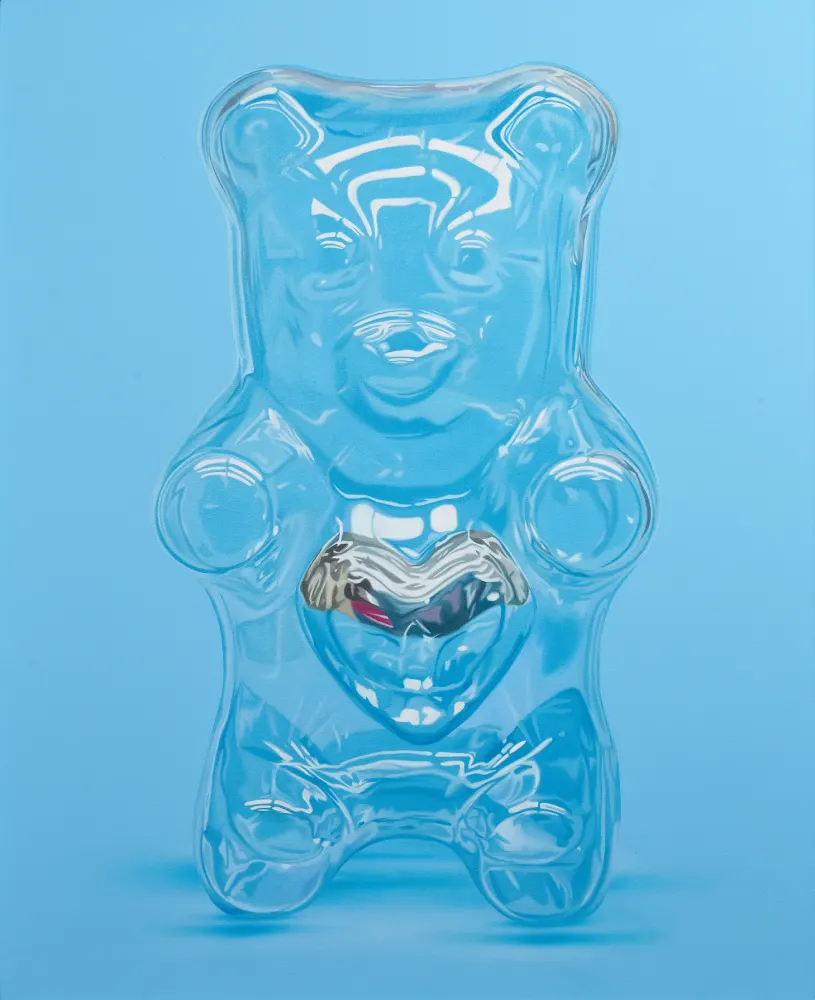
Andrés Moreno (Bogotá, 1984) is an artist whose work lies at the intersection of collective memory and contemporary visual culture. His training in visual arts, industrial design, and interior architecture has produced a visual language that combines traditional painting techniques with a critical eye on the symbols of pop culture, art history, and the icons that shape our collective imagination.
Andrés Moreno’s works explore how iconic figures—drawn from different cultural spheres such as anime characters, pop toys, or popular sculptures—can become vehicles for reflection on identity, nostalgia, and the visual structure of media consumption.
Artists represented by Duque Arango Gallery
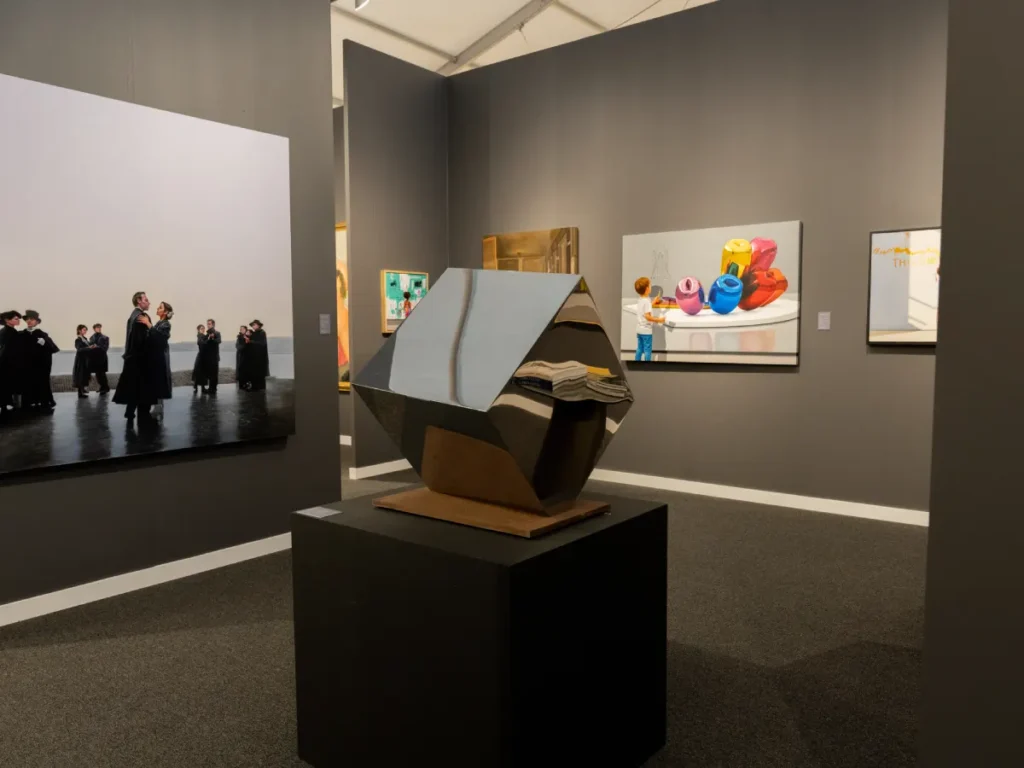
The incorporation of new artists is part of a program that already brings together key figures in Latin American and Colombian contemporary art. Among the artists represented by Duque Arango Galería are:
Sair García is a Colombian artist whose work is distinguished by a powerful synthesis of historical memory, landscape, and complex visual structures. García has developed a career spanning more than two decades that combines painting, sculpture, and installation in a profound reflection on the Colombian armed conflict, displacement, and human memory. His practice has been consistently recognized for addressing both the emotional and sociopolitical dimensions of landscape, particularly through the relationship between human beings and the territory they inhabit.
Ariel Cabrera, a Cuban artist based in the United States, has developed a body of work that reinterprets historical, mythological, and literary episodes from a carefully constructed fictional narrative. His painting is characterized by rigorous technical execution, dense compositions, and an iconography that mixes characters, architectures, and symbols that refer both to the colonial past and to contemporary imaginaries.
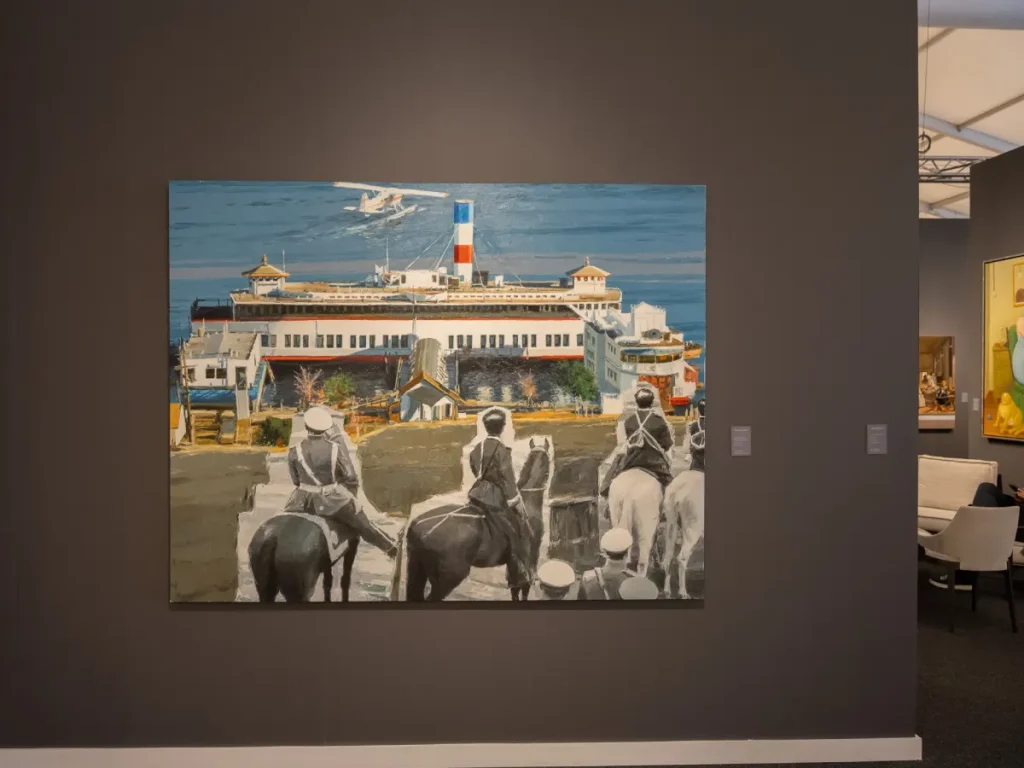
Julio Larraz, a Cuban artist with an established international career, is known for his narrative figurative painting, which combines realism, critical imagination, and political symbolism. His works often depict ambiguous scenes populated by characters that allude to themes such as power, history, migration, and the human condition.
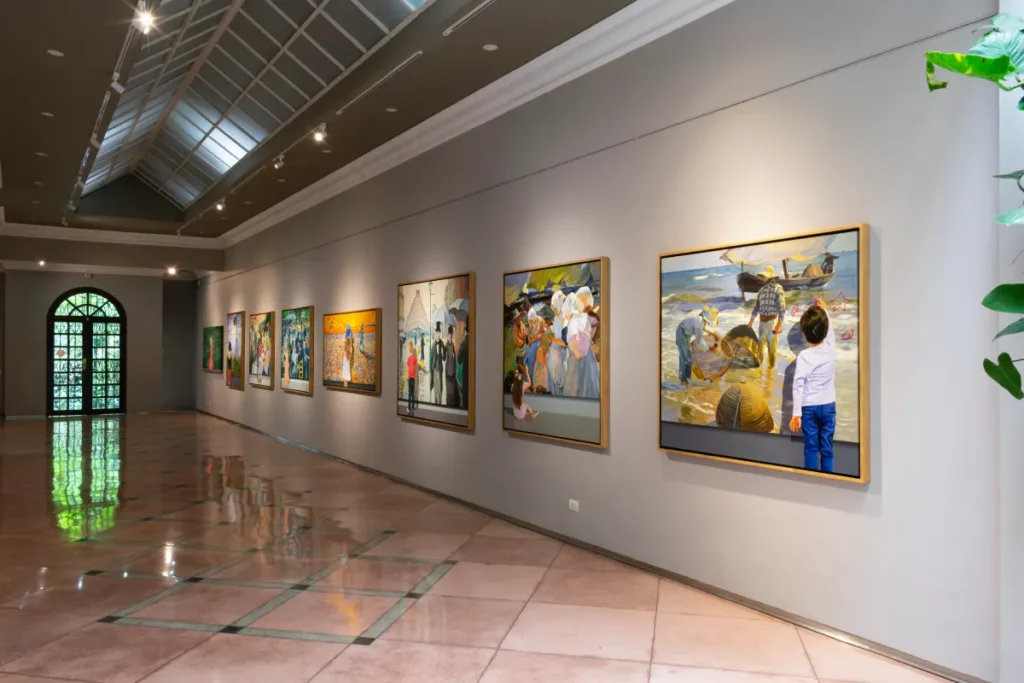
Javier Caraballo is a contemporary artist whose work rethinks the relationship between art history, children’s drawings, and image construction from a poetic, critical, and playful perspective. Caraballo has spent more than ten years developing a body of work focused on the overlap between spontaneous childhood gestures and masterpieces of the pictorial tradition.
Gustavo Vélez, a Colombian sculptor, has developed a body of work focused on exploring form, volume, and balance using industrial materials and high-precision processes. His sculptural language is characterized by refined geometric structures that establish a direct dialogue with space, inviting the viewer to engage in a physical and perceptaual experience of the work. Vélez investigates the tensions between weight and lightness, stability and movement, constructing pieces that transcend the formal to reflect on order, harmony, and the relationship between body, matter, and environment.
Reynier Ferrer, a Cuban artist whose practice is distinguished by a profound exploration of abstraction as a way of investigating memory, structure, and perception. Although his work engages with contextual themes such as history and territory, it does so through a visual poetics that privileges form, line, and space as autonomous languages. Ferrer does not directly represent figurative narratives; instead, he develops an abstract universe where formal elements are articulated to generate meaning beyond the obvious.
Artistic representation and collecting
Representing artists involves not only exhibiting works, but also accompanying processes, building careers, and generating opportunities within the art market. Duque Arango Galería understands its role as a cultural mediator that connects artists with diverse audiences, collectors, and national and international venues.
For those looking to purchase contemporary art, having the backing of an established gallery is essential. The selection of artists represented guarantees authenticity, consistency, and professional support with every purchase, which are key aspects of art collecting.
An art gallery in Medellín with international reach
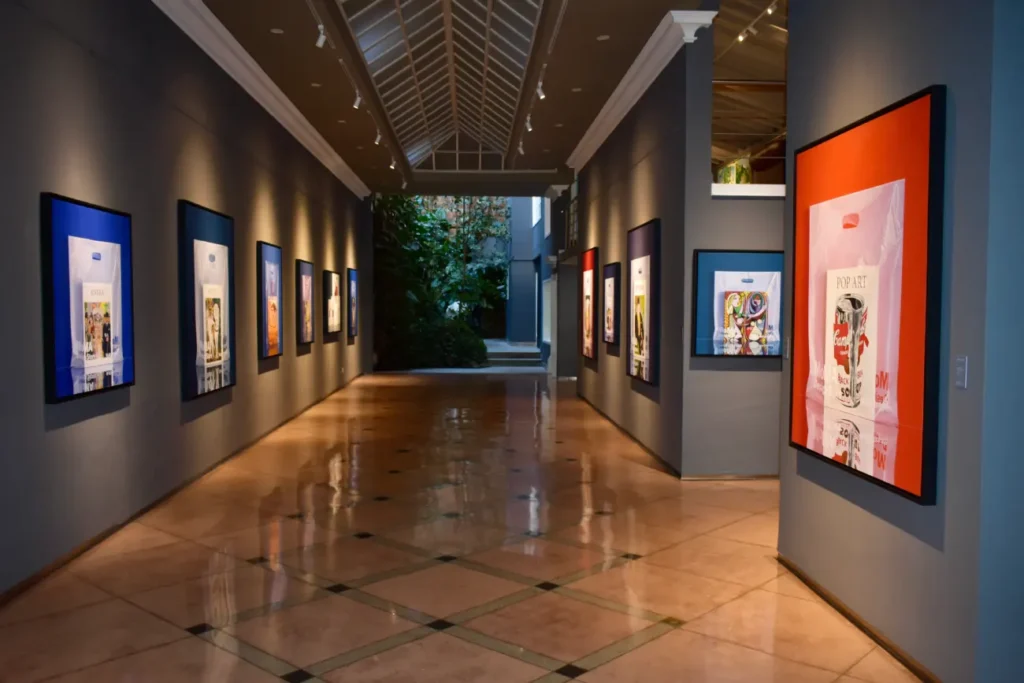
From Medellín, Duque Arango Galería has positioned itself as a benchmark among art galleries in Latin America, actively participating in art fairs, exhibitions, and curatorial projects that increase the visibility of the artists it represents.
This ongoing work strengthens the city’s cultural ecosystem and consolidates Medellín as an active space for contemporary art, where galleries, artists, and collectors converge in constant dialogue.
An ever-growing artistic program
The arrival of Alejandra Aristizábal and Andrés Moreno not only marks a milestone in the year, but also reaffirms Duque Arango Galería’s commitment to continuing to build a solid, diverse, and relevant artistic program. The coexistence of artists from different generations and languages allows us to offer a broad interpretation of contemporary art, while always maintaining demanding curatorial standards.
In a context where interest in art, galleries, and contemporary artists continues to grow, Duque Arango Gallery has established itself as a benchmark for those seeking art with backing, quality, and long-term vision.