Art Auction at The Bass Museum: Contemporary Latin American Art
Miami Beach has long established itself as a dynamic hub for contemporary art, where institutions, collectors, and galleries converge to shape conver

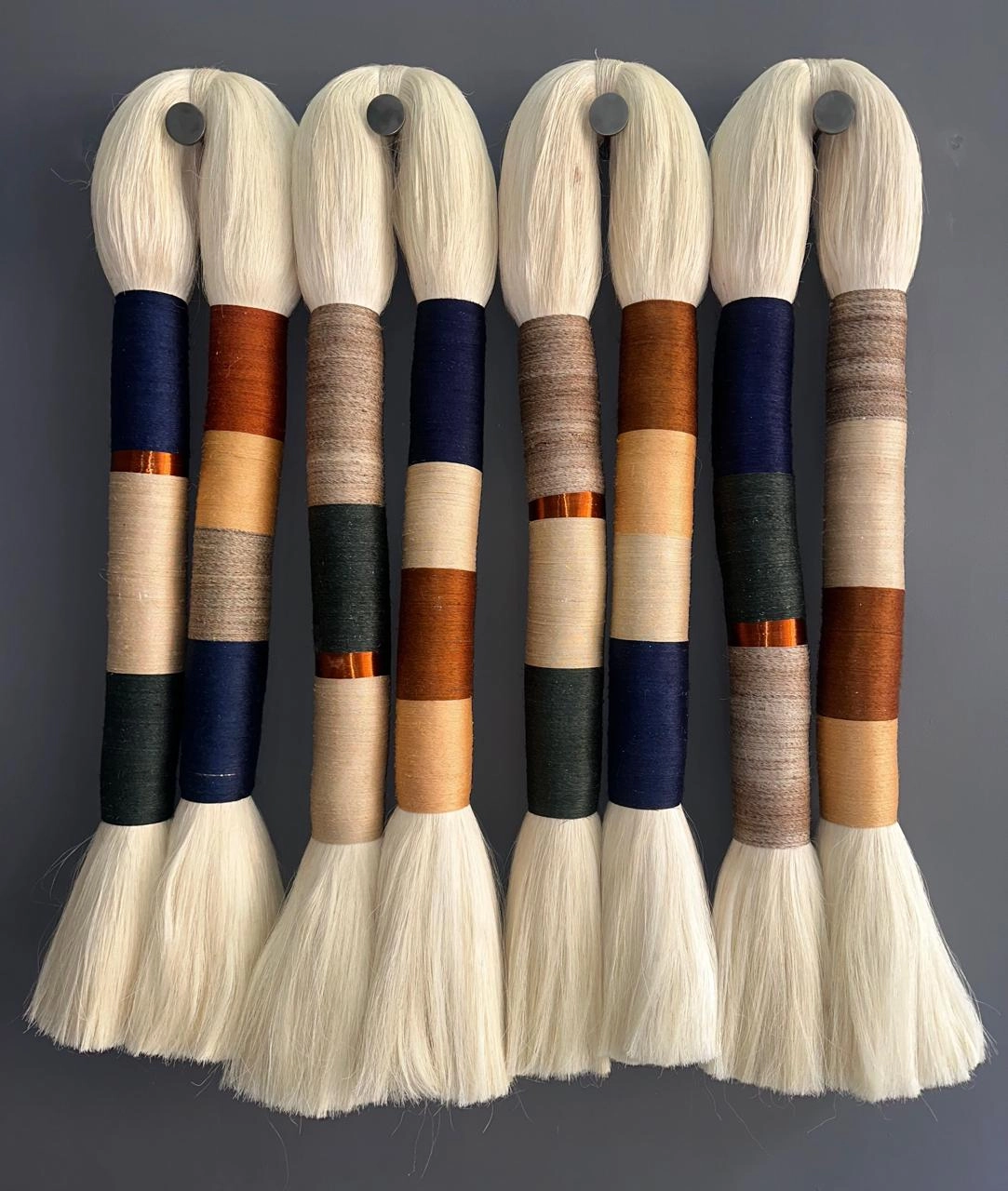
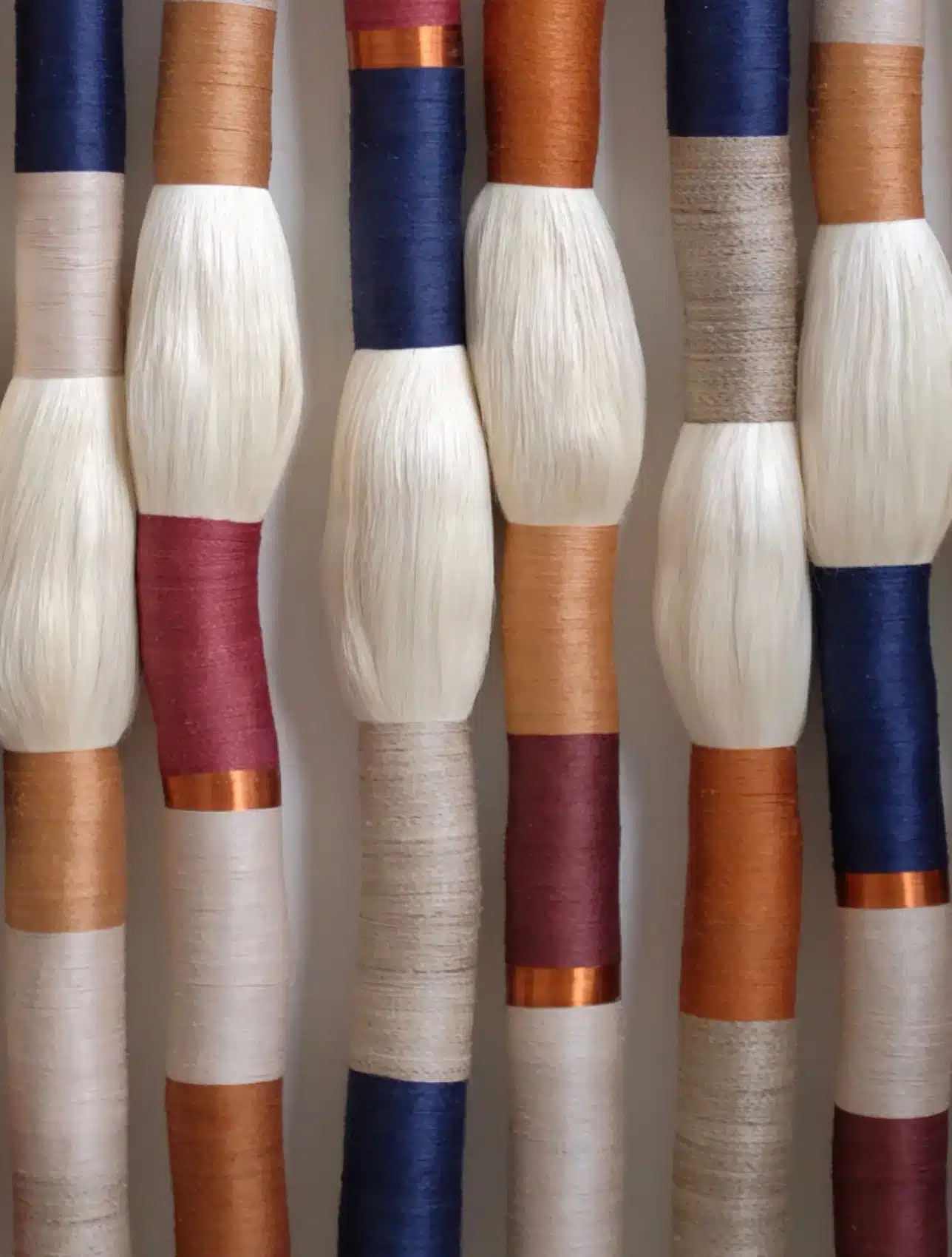
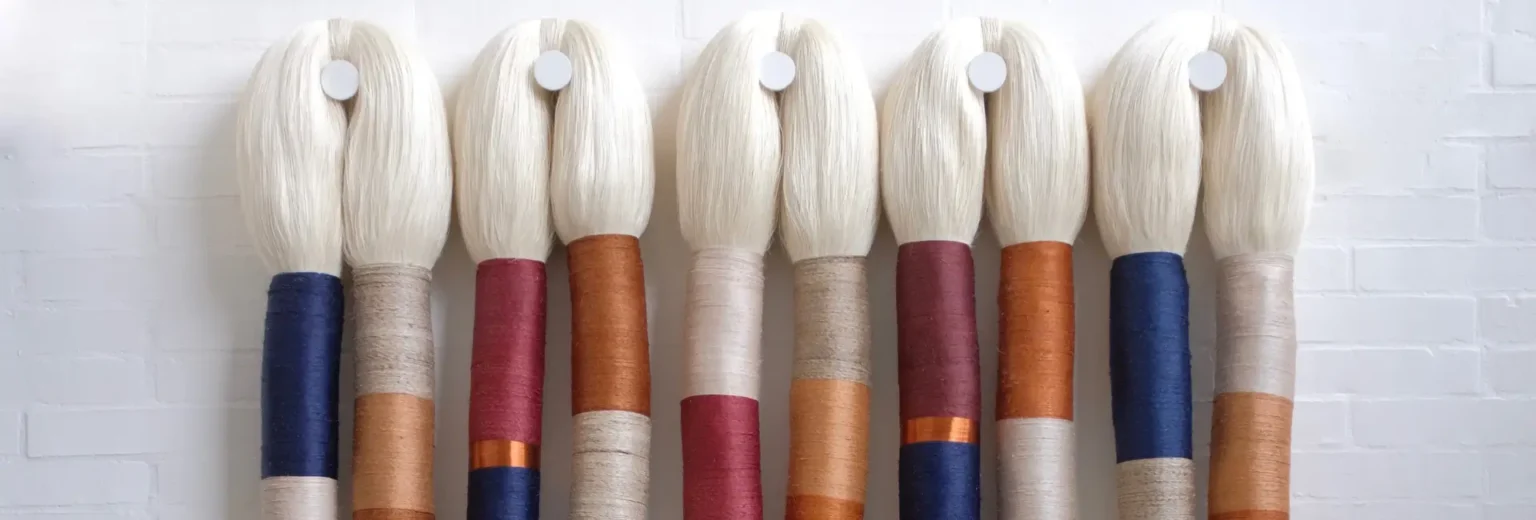
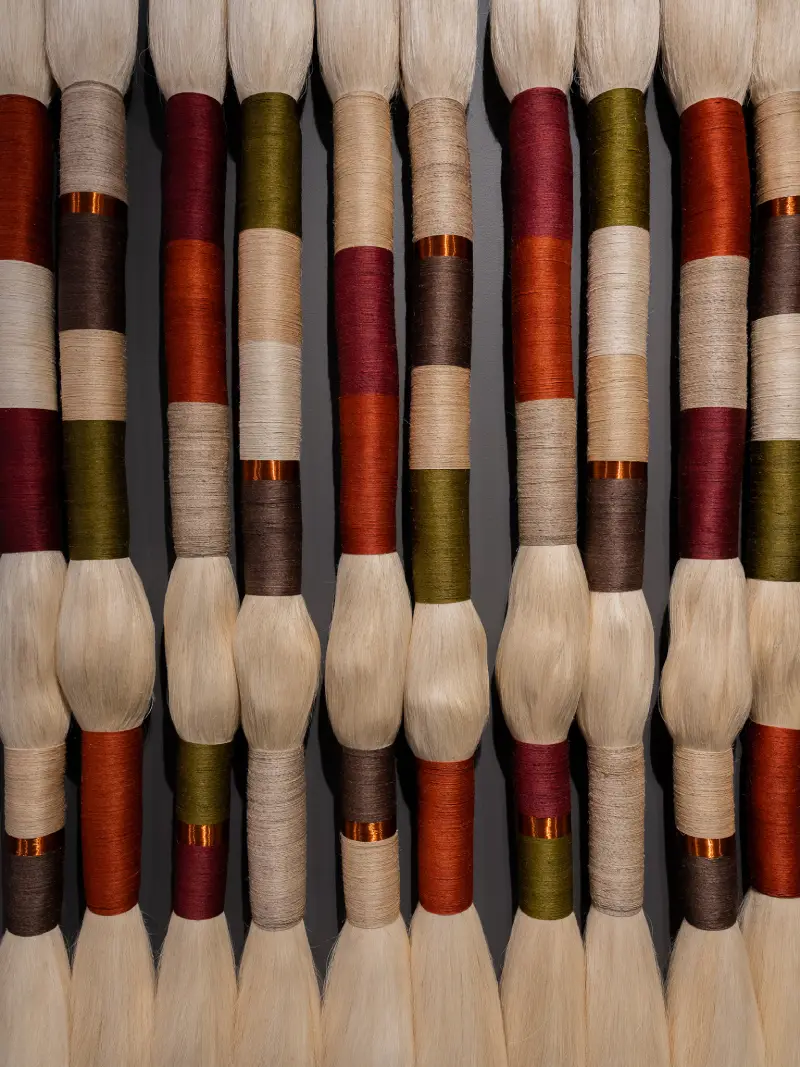
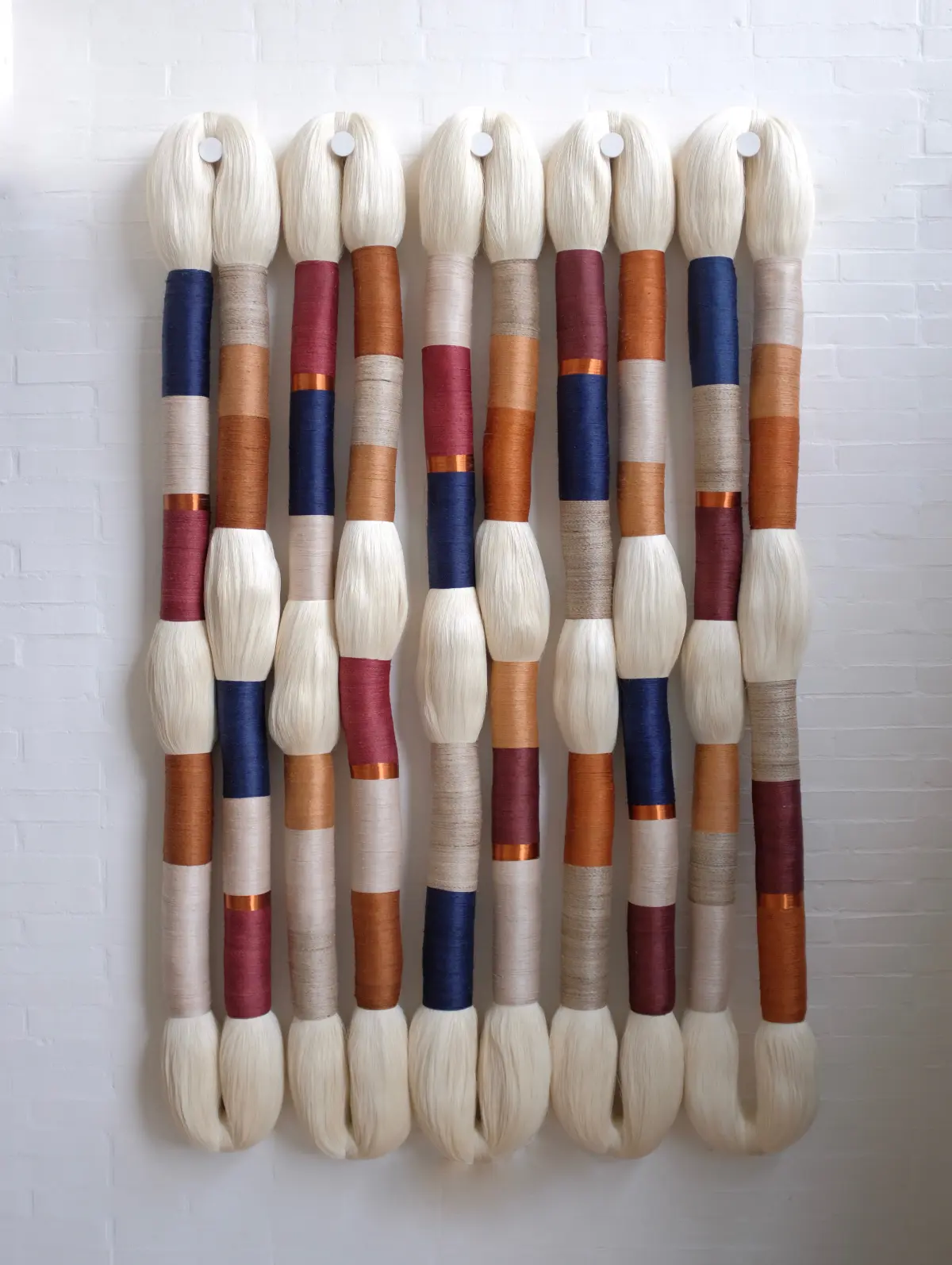
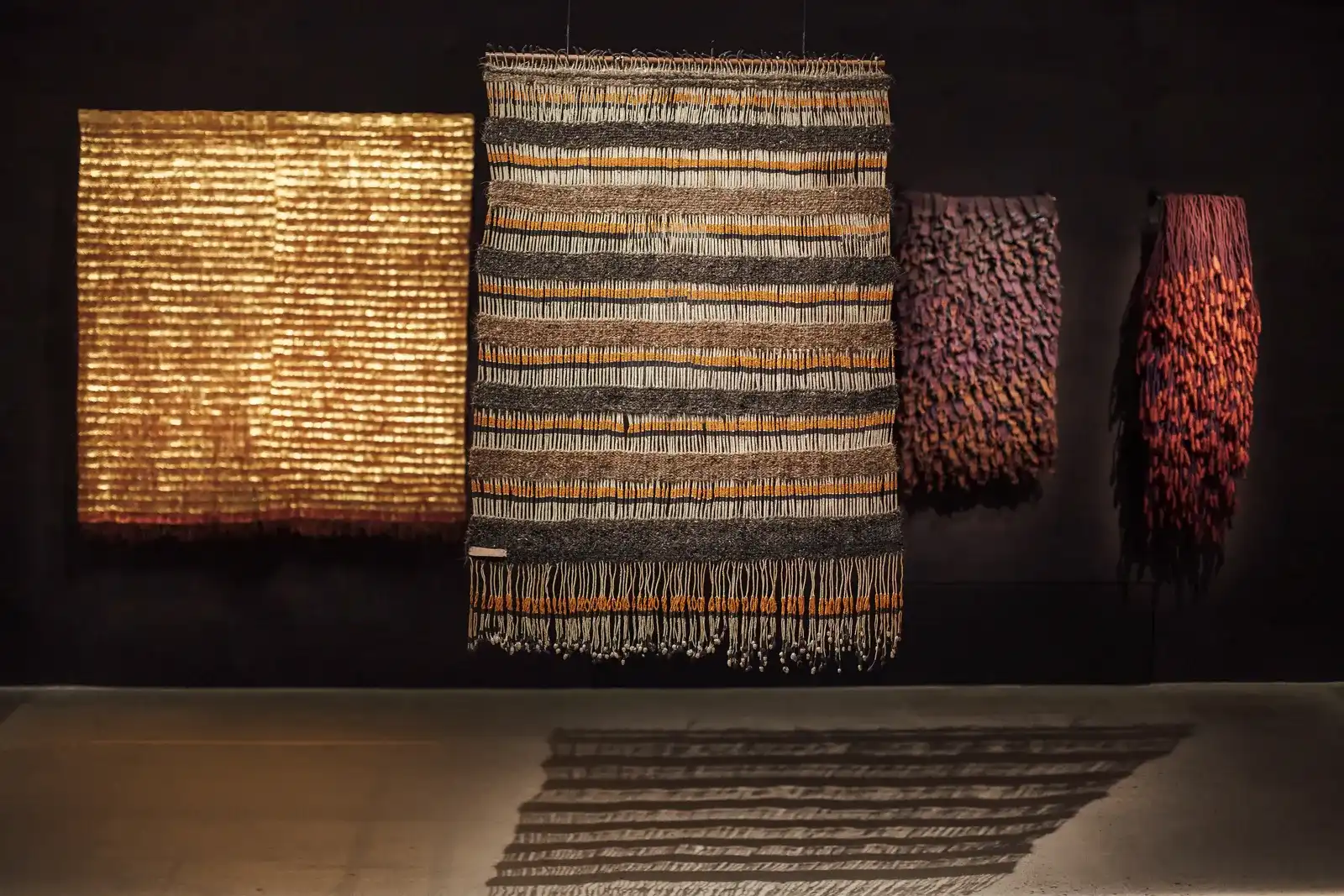
Fique fiber and copper
49 1/4 x 44 1/8 in
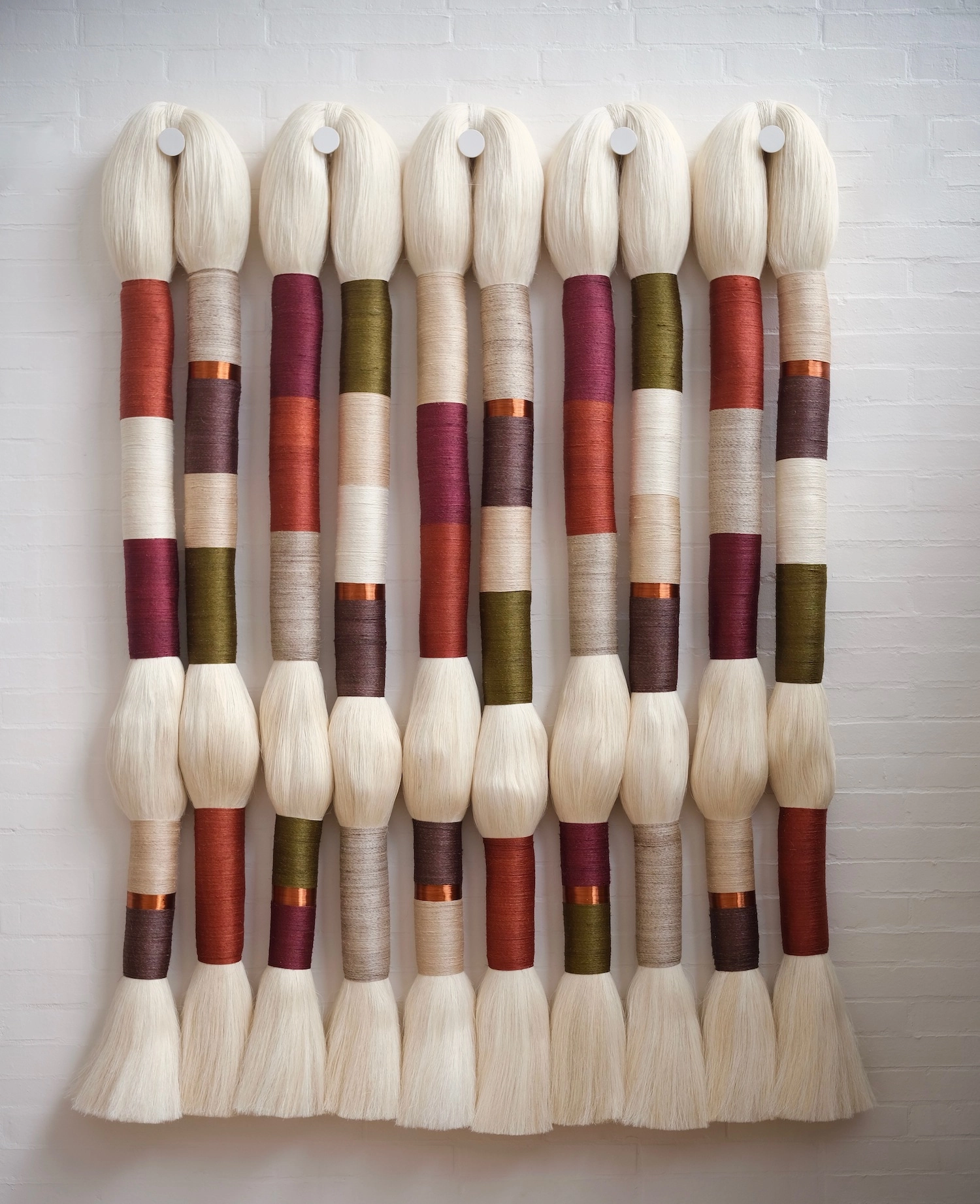
Fique fiber and copper
76 3/4 x 58 5/8 in.
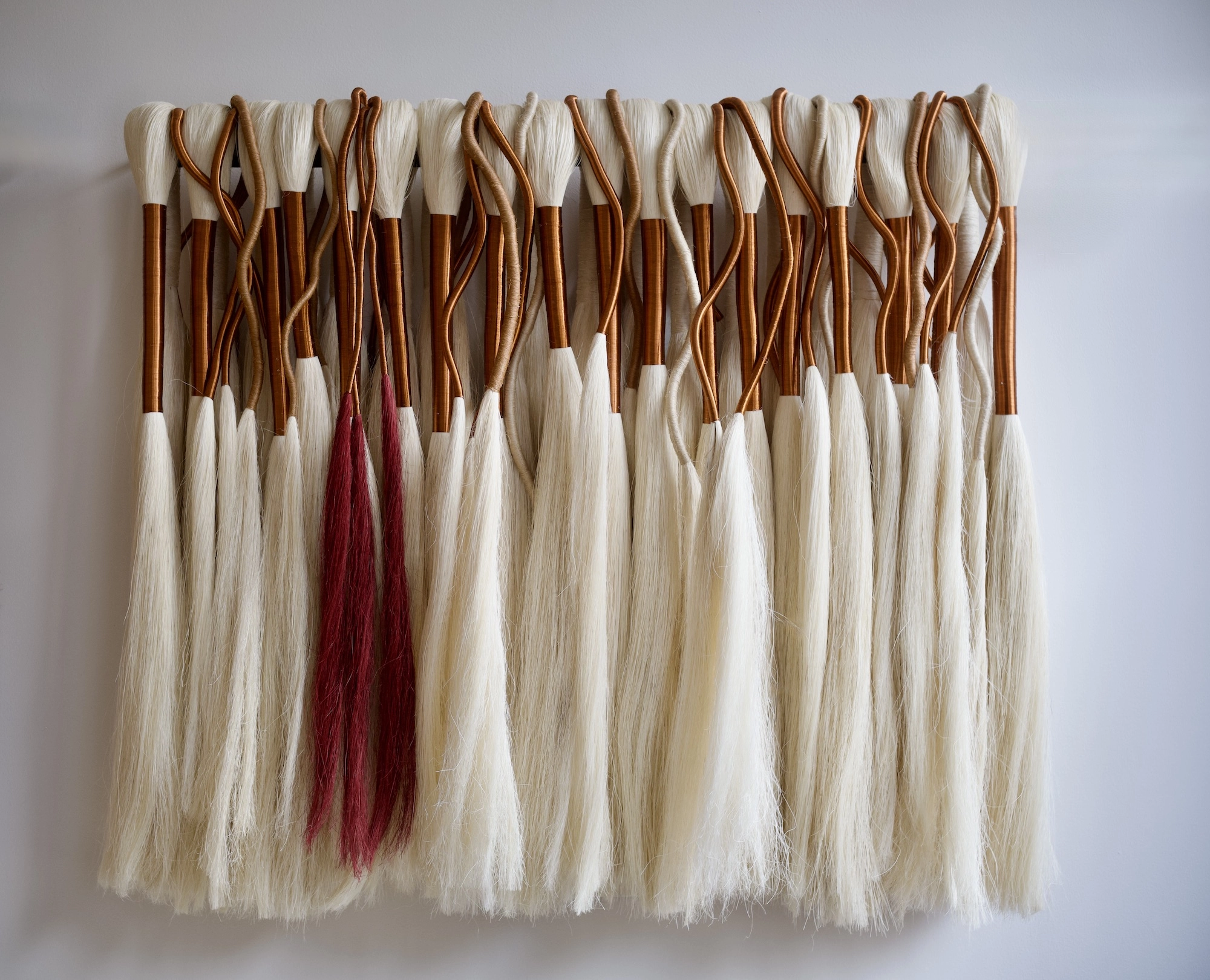
Fique fiber and copper
35 3/8 x 39 3/8 in.
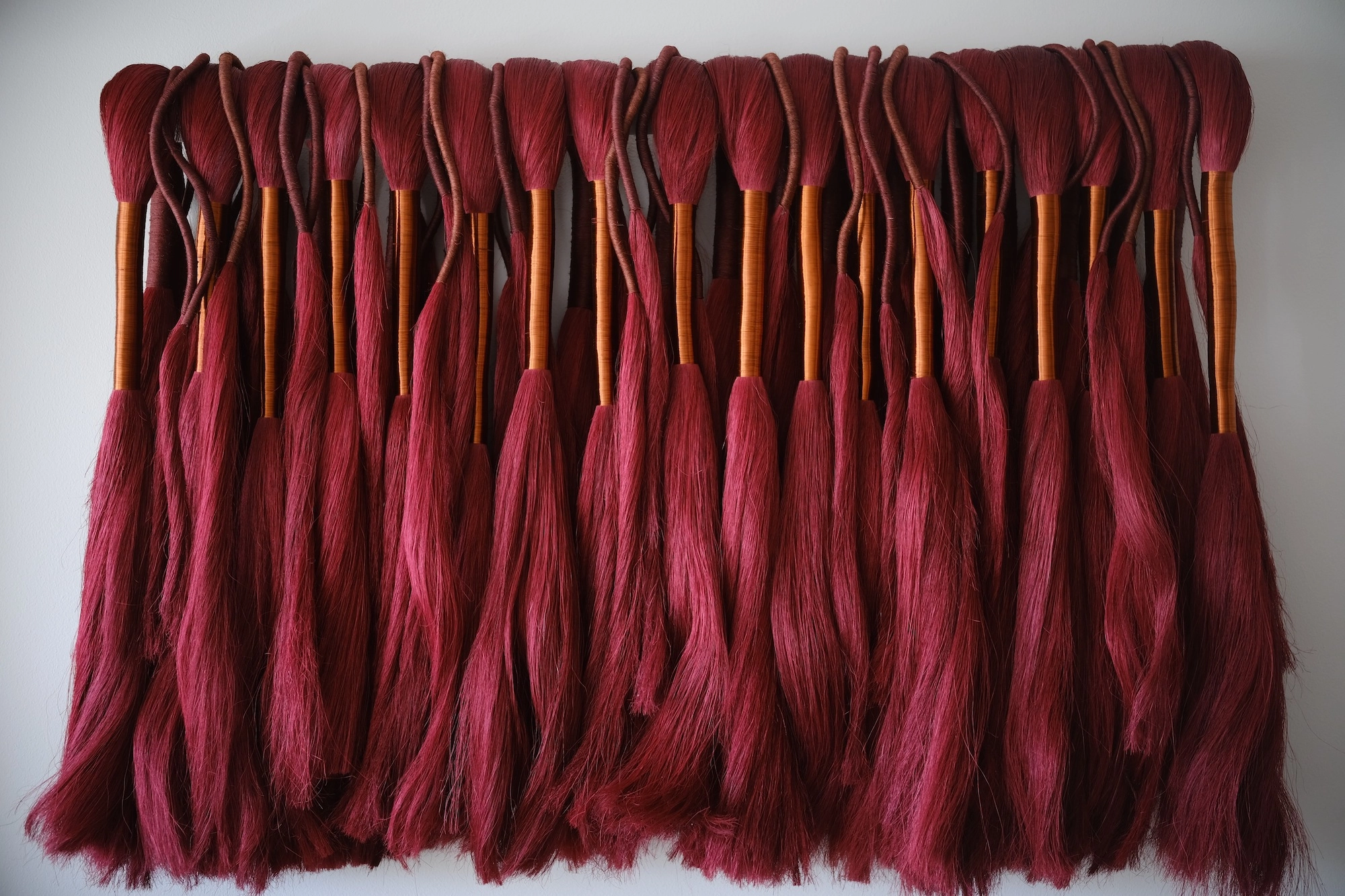
Fique fiber and copper
33 1/2 x 43 1/4 in.
Alejandra Aristizábal, born in 1987 in Manizales, Colombia, is an artist and sculptor recognized for her use of natural fibers, especially fique, a material native to the Andean region, with which she creates sculptures and textile pieces that reflect a deep connection with nature and Colombian traditions. Through her art, Aristizábal seeks to promote sustainable practices and highlight the importance of indigenous communities in the preservation of ancestral techniques.
Alejandra Aristizábal (Manizales, Colombia, 1987) is a Colombian artist whose work has placed contemporary textile art at the center of the conversation around identity, material, and territory in Latin America. Her practice is built almost entirely around fique, a natural fiber extracted from Furcraea andina, a plant endemic to the Andes that grows nowhere else on the continent. This detail is not decorative: it is the heart of her proposition. Aristizábal works with a material that exists only in Latin America, and in doing so she inscribes every piece within a very specific cultural geography.
Born in the heart of Colombia’s coffee region, Aristizábal grew up surrounded by Andean landscapes, coffee plantations, and the artisanal trades that would prove decisive in her vocation. That early experience —the contact with fiber, with the hand that twists and braids, with the slow rhythm of natural processes— filtered into her sensibility long before art became a conscious choice. She later studied Visual Arts at Miami International University of Art & Design, where she explored painting, photography, and sculpture. It was in 2015 that she found the language that defines her work today: that year she presented her first textile pieces at the Young Art Museum in Fort Lauderdale, and from then on her practice consolidated as a sustained investigation into the structural and symbolic possibilities of fique.
Much of her work is sustained through close collaboration with rural and artisanal communities that have preserved, across generations, the techniques of cultivating, extracting, and treating fique. Aristizábal understands the studio as an extended network that includes the grower, the artisan, the weaver, the fiquero. Her work repositions knowledge traditionally catalogued as “craft” within the field of contemporary art, without folklorizing or instrumentalizing it: simply recognizing it as knowledge.
In that gesture, Aristizábal enters into dialogue with one of the most powerful genealogies of twentieth- and twenty-first-century Latin American art: textile art as critical language. Her work is inscribed within a conversation that runs through Olga de Amaral —Colombia’s foundational figure in sculptural textile— and through the generation of Latin American women, capable of articulating discourses on the body, memory, nature, and politics.
The importance of her work within Latin American contemporary art rests on three axes. First, the choice of an endemic material —fique, which grows only in the Andes— as an affirmation of territory. Second, the proposal of a sustainable artistic practice tied to non-industrial agricultural and artisanal processes. And third, the elevation of Colombian textile art to a formal scale that converses with international contemporary sculpture. Her work raises, without rhetoric, a fundamental question: what materials can honestly represent a region? The answer, in her case, is whatever that region produces.
Alejandra Aristizábal has exhibited at Palm Beach Modern + Contemporary, Zona Maco, ART SG, Art Miami, and other international platforms for Latin American contemporary art. She is represented by Duque Arango Galería, with locations in Medellín and Bogotá.
Miami Beach has long established itself as a dynamic hub for contemporary art, where institutions, collectors, and galleries converge to shape conver
Looking into Latin American contemporary art today requires understanding a complex cultural and historical framework that intertwines artistic innov
Artists represented by Duque Arango Gallery: new additions and an ongoing dialogue with contemporary art Artists represented by Duque Arango Galle
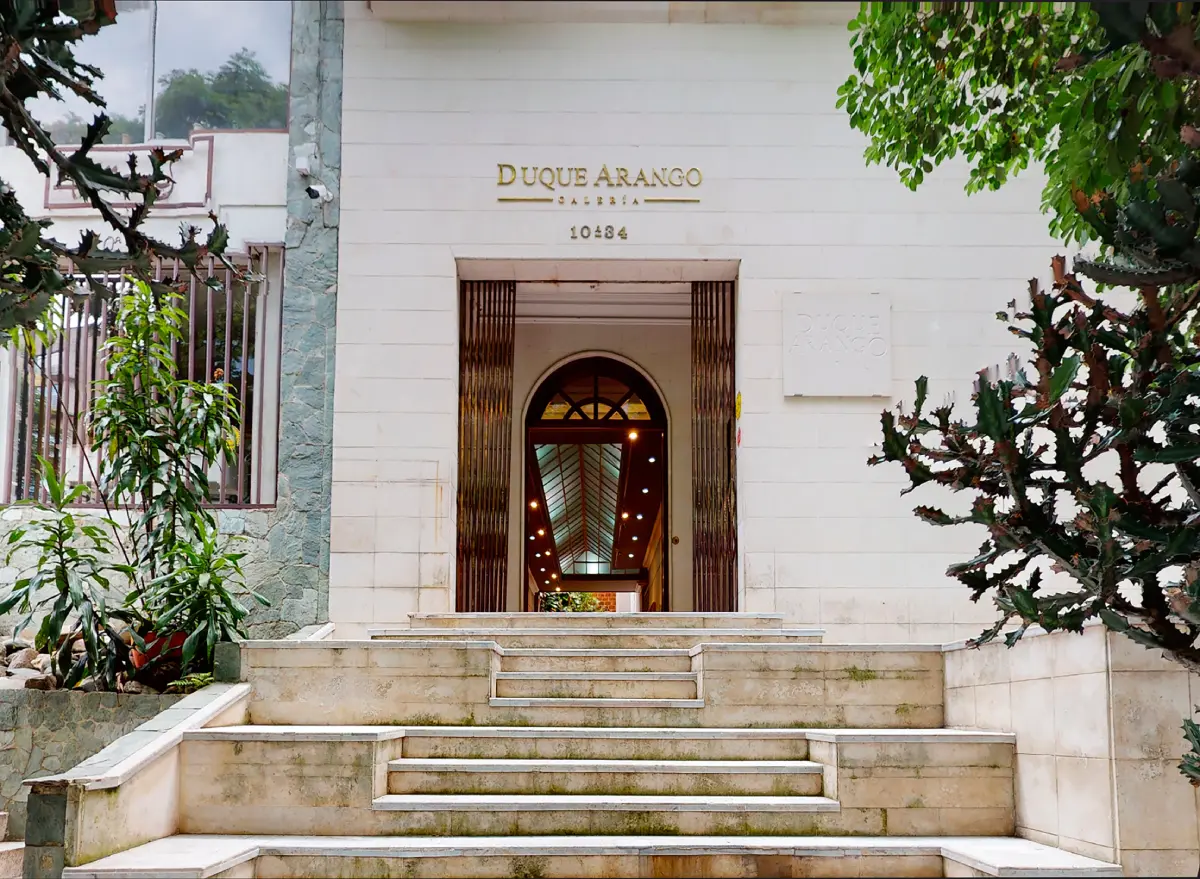
Duque Arango Galería in Medellín, founded in 1980, has established itself as a benchmark for Latin American art in Colombia, with a history that comb
Biography and training. Alejandra Aristizábal is a Colombian artist specializing in textile-structural work. As a child she grew up surrounded by
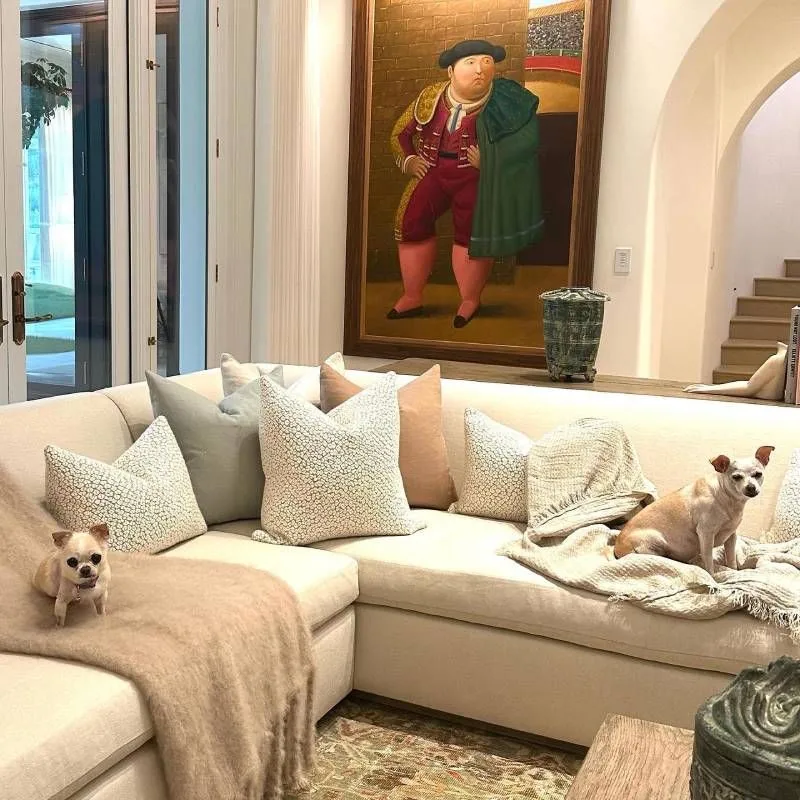
Investing in art can be one of the most exciting and rewarding decisions you make. Beyond its aesthetic value, art has established itself as an intel
Modern textile art has established itself as one of the strongest trends in contemporary art. Due to its connection with ancestral practices and its
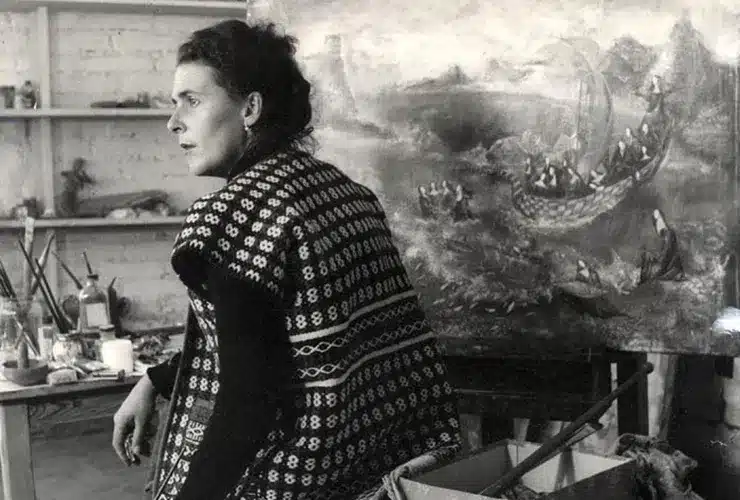
Contemporary Latin American art has witnessed a significant transformation in recent decades, especially in relation to the participation and recogni