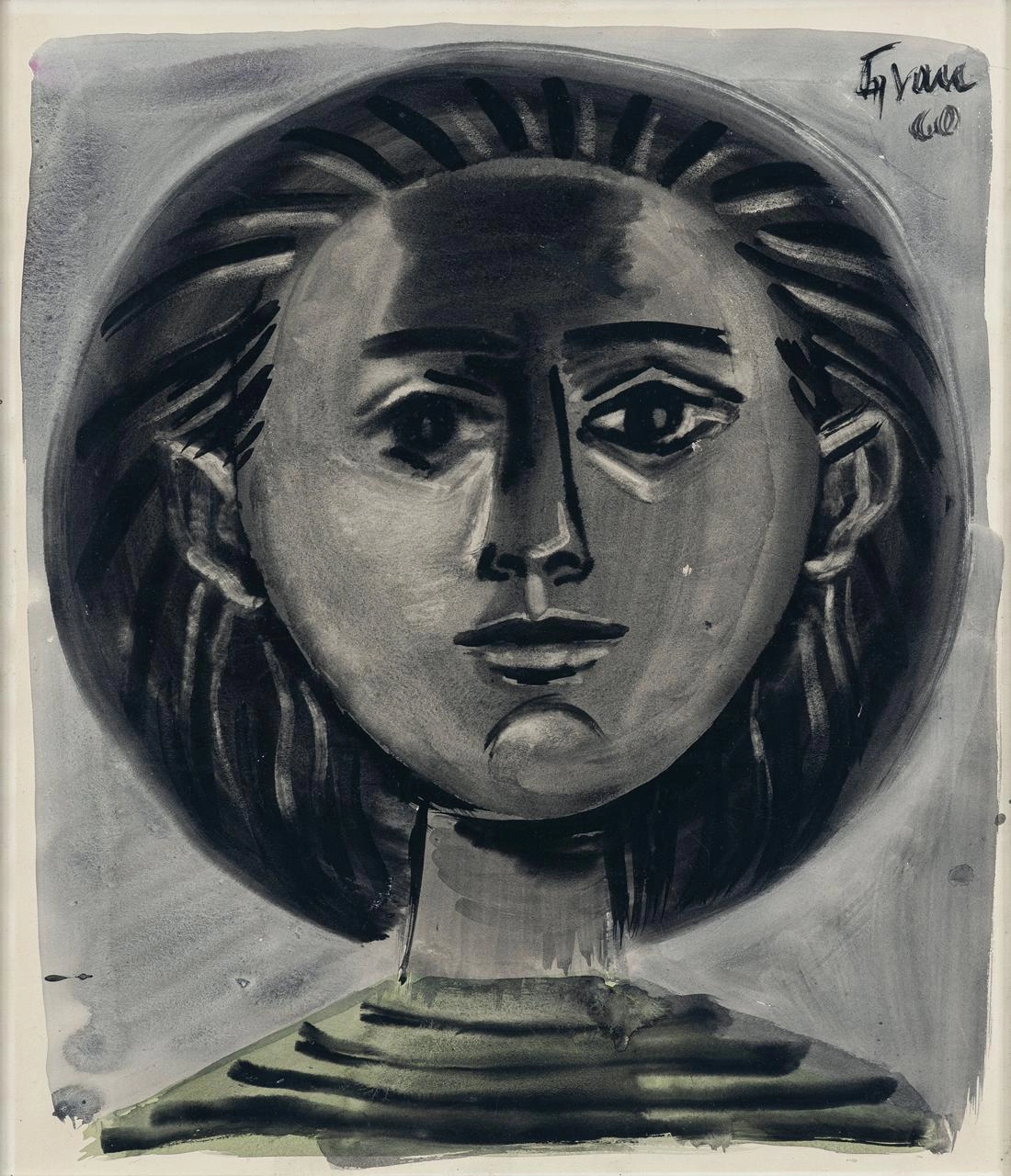
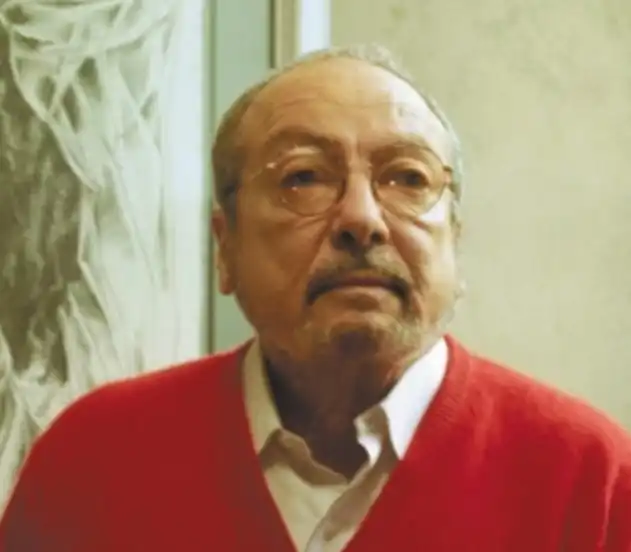
Enrique Grau Araújo (Panama City, 1920 – Bogotá, Colombia, 2004) was a leading figure in 20th-century Colombian art. A painter, sculptor, printmaker, set designer, and educator, he developed a distinctive figurative language closely connected to the Colombian Caribbean, characterized by commanding human figures, theatrical compositions, and a sustained exploration of cultural identity.
Although born in Panama, Grau grew up in Cartagena de Indias, a city that became an essential reference throughout his artistic career. In 1940, he participated in the first Salón de Artistas Colombianos, where he received an honorable mention. He later traveled to New York to study at the Art Students League, where he encountered the transformations of modern art and explored approaches related to the geometrization and simplification of the human figure.
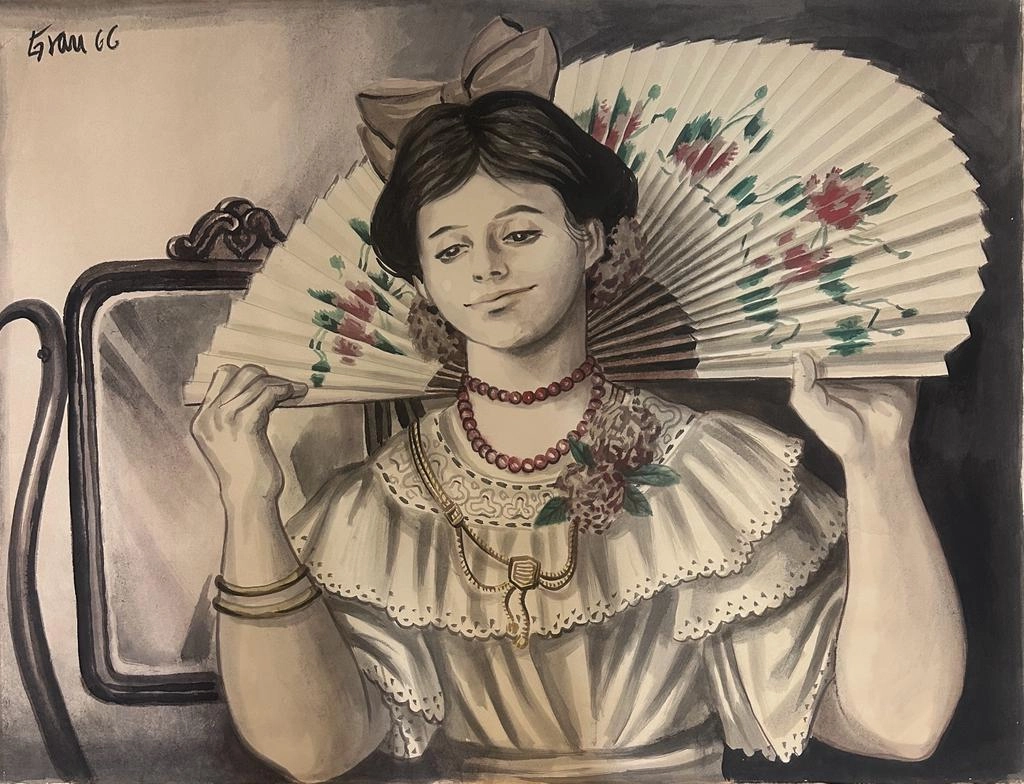
The human figure became the central subject of Enrique Grau’s work. Voluminous women and men appear alongside parasols, fans, flowers, masks, mirrors, and other objects that reinforce the theatrical quality of his compositions. Through color, volume, and the representation of the body, Grau created scenes in which theatricality, sensuality, intimacy, and references to Caribbean popular culture coexist.
His work also gave significant visibility to Afro-Colombian, Indigenous, and mestizo figures, incorporating Colombia’s ethnic and cultural diversity into his distinctive figurative language.
Beyond painting, Grau developed an important body of sculptural work. In his bronze sculptures, he translated many of the characters, volumes, and visual elements found in his paintings into three-dimensional form. He also explored tropical nature and created monumental projects connected to the history of Cartagena.
Enrique Grau’s artworks are held in major public and private collections in Colombia and internationally. Throughout his career, he received numerous distinctions, including several awards at Colombia’s Salón Nacional de Artistas and the Order of Boyacá.
His close relationship with Cartagena remained central throughout his life. His distinctive representation of the human figure, Caribbean identity, and cultural diversity established Enrique Grau as an essential figure in Colombian and Latin American modern art.