Few artists have achieved the global recognition and enduring appeal of Fernando Botero, the Colombian master whose distinctive language of “volumetric” form reshaped how the world sees modern sculpture. Across museums, public plazas, and private collections, Fernando Botero sculptures remain some of the most sought-after works in the market, not only for their unmistakable aesthetic, but also for the cultural significance they carry within the broader narrative of Colombian modern art.
Fernando Botero’s sculptures, with their iconic fullness, serenity, and monumentality, express a worldview rooted in exaggeration as a form of truth. Far from caricature, his figures represent a complete, self-contained universe where volume becomes identity. That principle translates powerfully into bronze, where his rounded forms gain permanence, mass, and architectural presence. Today, the demand for Botero bronze sculptures continues to grow among collectors in the United States who seek works that combine cultural relevance, historical depth, and aesthetic impact.
The Signature Language of Botero’s Sculpture
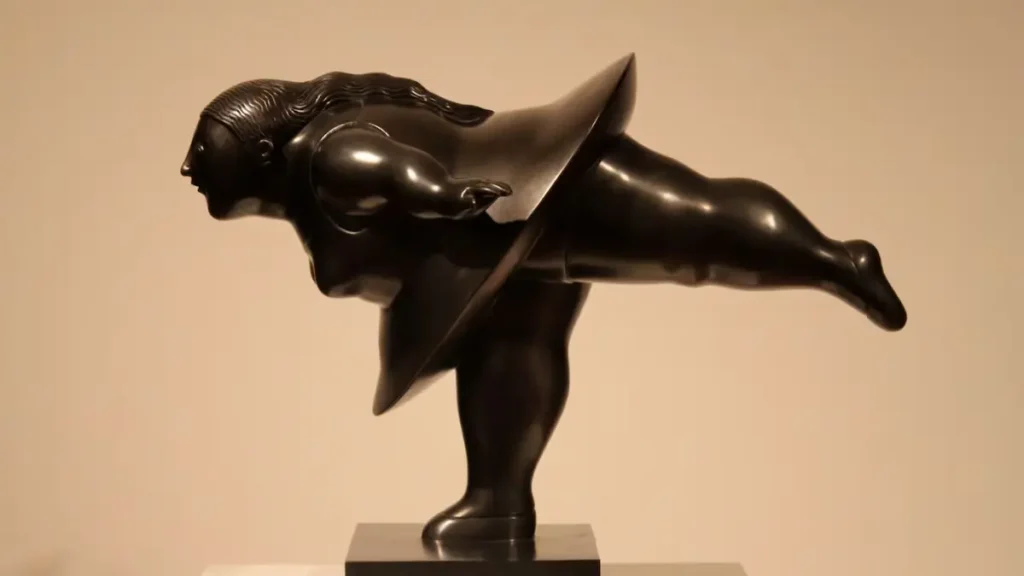
Botero once described volume as his way of “giving importance” to his subjects, and this philosophy guides his approach to sculpture as much as it does his painting. His figures—women, men, animals, dancers, musicians, even reinterpretations of classical forms—appear serene yet commanding. Their surfaces are smooth, their anatomy simplified, and their proportions expanded as if holding more space, more emotion, and more presence than any realistic figure could.
This intentional distortion has become so iconic that a Botero sculpture is recognizable from across a plaza. That recognizability is precisely what makes his work so strong in the global market. Collectors can identify his hand immediately; institutions know that a Botero sculpture will engage public audiences; and art historians view his interventions in scale and proportion as essential contributions to the evolution of Latin American modernism.
Botero Bronze Sculptures: Craftsmanship and Permanence
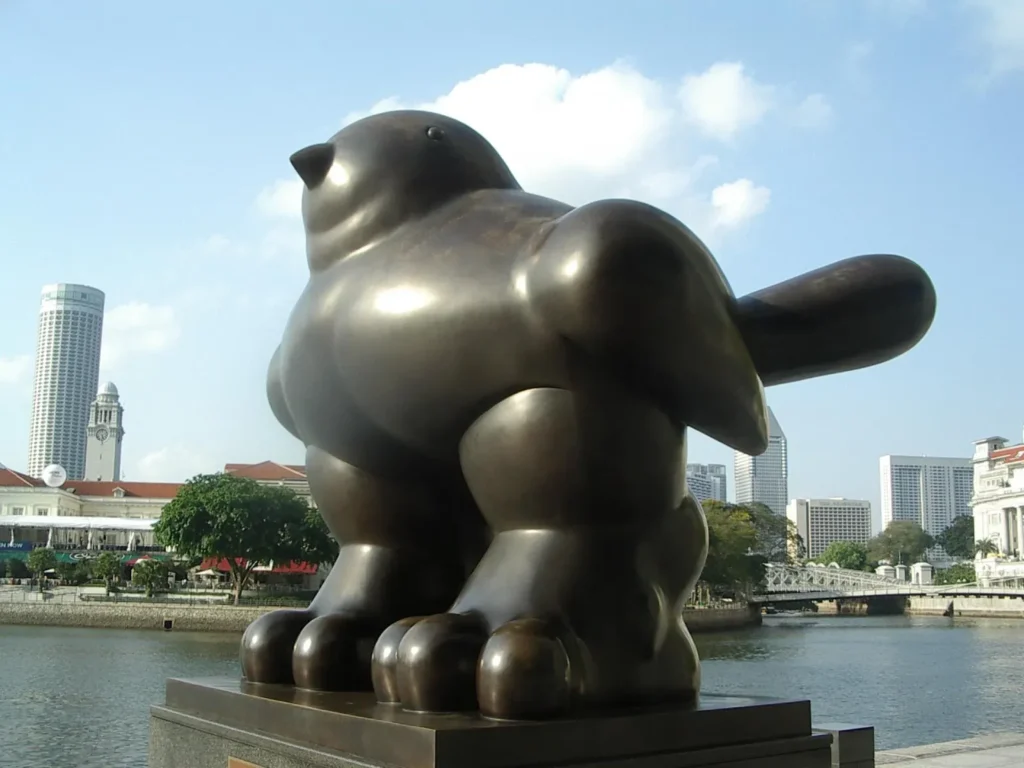
Although Fernando Botero experimented with several materials throughout his career, bronze became his preferred medium for sculpture, especially for monumental pieces. Bronze carries a symbolic and material gravity that amplifies his volumetric language. Its durability allows for outdoor installation—one of the reasons Botero’s works adorn plazas from Medellín to New York.
The casting process typically begins with a clay or plaster model, which is then transformed in sections through the lost-wax method. This technique allows every curve, every contour, every polished surface to retain the precision of the original model. Botero was deeply involved in the final patination of his bronzes, often choosing deep, rich tones that enhance the interplay of light across the sculpture’s rounded surfaces.
For collectors, the quality of a Botero bronze is immediately visible. The weight, the finish, the seamless joinery, and the perfection of the contours all speak to the rigorous standards that guided each edition. This craftsmanship is one of the reasons authoritative Botero bronze sculptures consistently perform well at auction and remain highly collectible.
Famous Botero Artworks and Public Installations
Many of the most famous Botero artworks are sculptures that occupy important public spaces. Cities such as Medellín, Florence, Paris, Madrid, and New York host monumental bronzes that have become cultural landmarks.
Perhaps the best-known example is Plaza Botero in Medellín, where a large ensemble of twenty-three sculptures—donated by the artist—transforms the square into an open-air museum. These monumental figures, including The Hand, The Cat, Eve, Roman Soldier, and Head, exhibit the full power of Botero’s sculptural vocabulary. As accessible public works, they play a crucial role in shaping the perception of Botero as not only a studio artist but a civic sculptor whose works foster collective experience.
These installations also strengthen the secondary market. When a sculpture becomes iconic through visibility, its smaller or mid-sized editions become more desirable to private collectors who want a work connected to a recognized masterpiece.
The Market for Botero Sculptures in the United States
Interest in acquiring a Botero sculpture for sale has grown steadily in the United States over the past two decades. Collectors value his sculptural work for three primary reasons: scarcity, international reputation, and cultural significance.
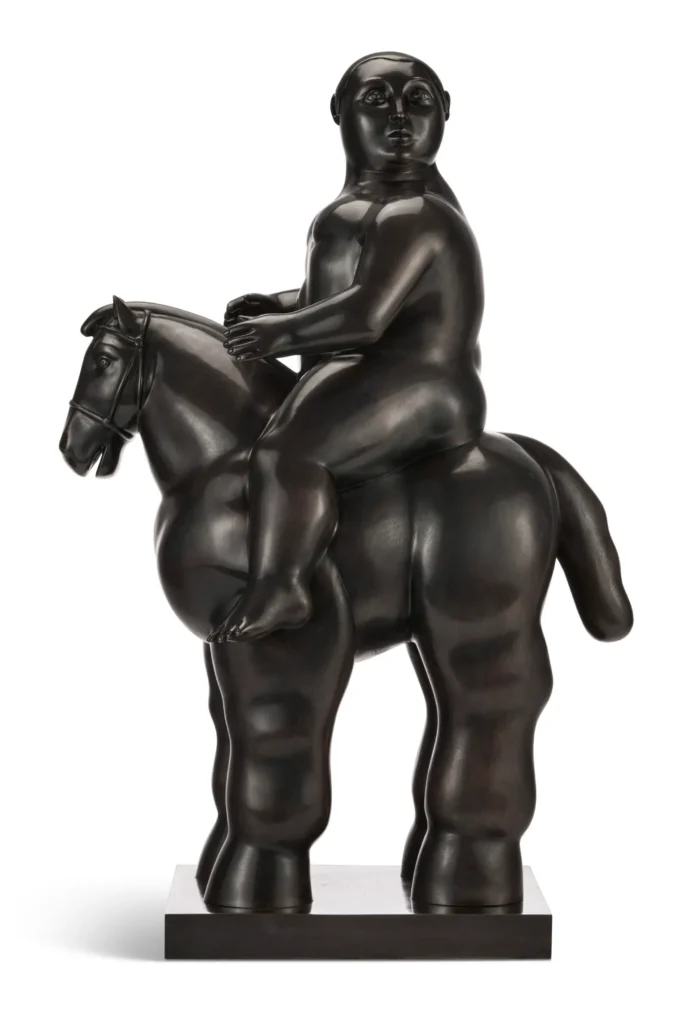
Botero’s sculptures appear at auction but not frequently. When well-provenanced bronzes surface—especially early editions, large formats, or works that have been exhibited—they tend to attract strong bidding. Prices vary depending on size, edition number, and exhibition history, but the trajectory of the market shows consistent appreciation for works of high quality.
Reputable galleries also handle available sculptures on the private market, often offering medium-scale bronzes suitable for residential and corporate collections. These pieces appeal to buyers who want the iconic presence of Botero’s volumetric forms without the logistical complexity of monumental outdoor works.
Collectors considering a purchase should pay attention to:
- Edition number and size, since smaller editions tend to be more valuable.
- Condition, particularly for outdoor bronzes exposed to weather.
- Documentation, including foundry marks, certificates, and provenance.
- Exhibition history, which can significantly enhance value.
Given Botero’s global stature, acquiring an authentic sculpture represents not only an aesthetic investment but also a culturally meaningful one that situates the collector within the expanding field of Latin American art.
Botero’s Place in Colombian Modern Art
Fernando Botero is widely recognized as the most influential visual artist to emerge from Colombia in the 20th century. His expansion of figuration into monumental, globally recognizable forms positioned him as a bridge between traditional modernism and contemporary reinterpretations of the human figure. His sculptures form a crucial chapter in the evolution of Colombian modern art, carrying national identity into the international art narrative.
His consistent training, his mastery of form, and his reinterpretation of classical art through volume solidified an artistic language that transcends borders. Today, Botero’s sculptures not only represent an artist but a cultural ambassador whose work stands at the heart of multiple national and international collections.
Frequently Asked Questions About Fernando Botero Sculptures
Are all Botero sculptures made of bronze?
Most are cast in bronze, especially monumental outdoor pieces, although he created works in marble and other materials earlier in his career.
Where can I find a Botero sculpture for sale?
Buyers typically source through established galleries specializing in modern and Latin American art or through major auction houses where authenticated works occasionally appear.
At Duque Arango Galería, we specialize in offering collectors access to exceptional works by leading Latin American masters, including Fernando Botero. Our team sources only fully authenticated sculptures with verified provenance, working directly with trusted estates, private collections, and established institutions. When we present a Botero sculpture for sale, it reflects a rigorous curatorial process in which quality, condition, and historical relevance are prioritized. Collectors who acquire through our gallery benefit from personalized advisory, transparent documentation, and the assurance of working with one of the most respected art galleries in Colombia with over four decades of experience in the market.
Why are Botero sculptures valuable?
Value derives from craftsmanship, limited editions, global recognition, and Botero’s foundational role in Latin American modern art.
What makes Botero’s style unique?
His signature use of volume—expanding and simplifying forms—creates a visual language that is instantly identifiable and deeply expressive.