Ariel Cabrera Montejo (Camagüey, Cuba, 1982) is a contemporary Cuban artist whose paintings explore memory, identity, and the construction of historical narratives. Through a figurative language rooted in the pictorial tradition, he revisits episodes from Cuban history, particularly the interwar period (1879–1895) and the Cuban War of Independence (1895–1898), from an intimate, critical, and at times ironic perspective.
During his artistic training, Cabrera developed a strong interest in archives, documents, objects, and visual testimonies related to Cuban history. This engagement became the foundation of a practice that questions how collective memory is constructed and transmitted.
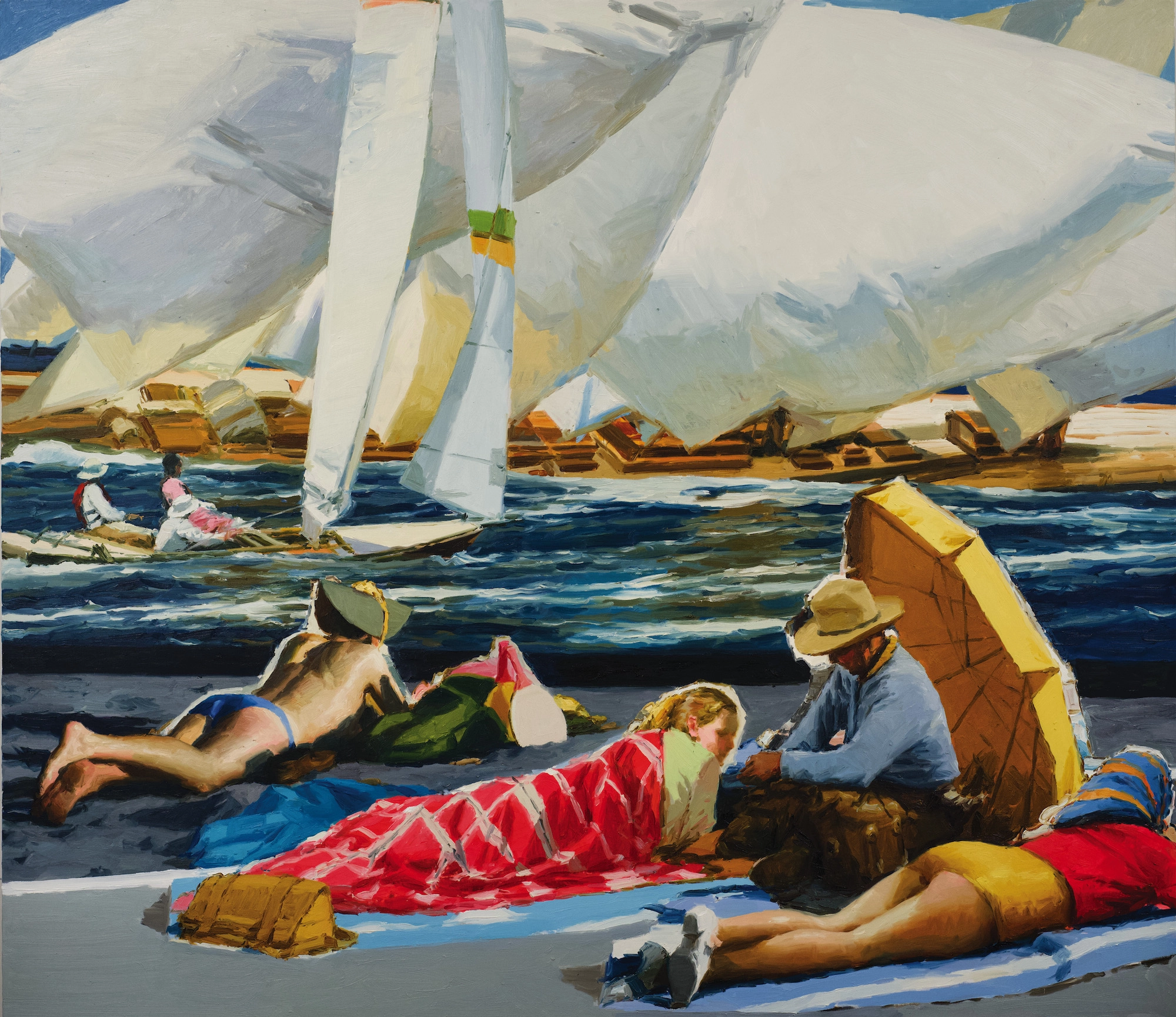
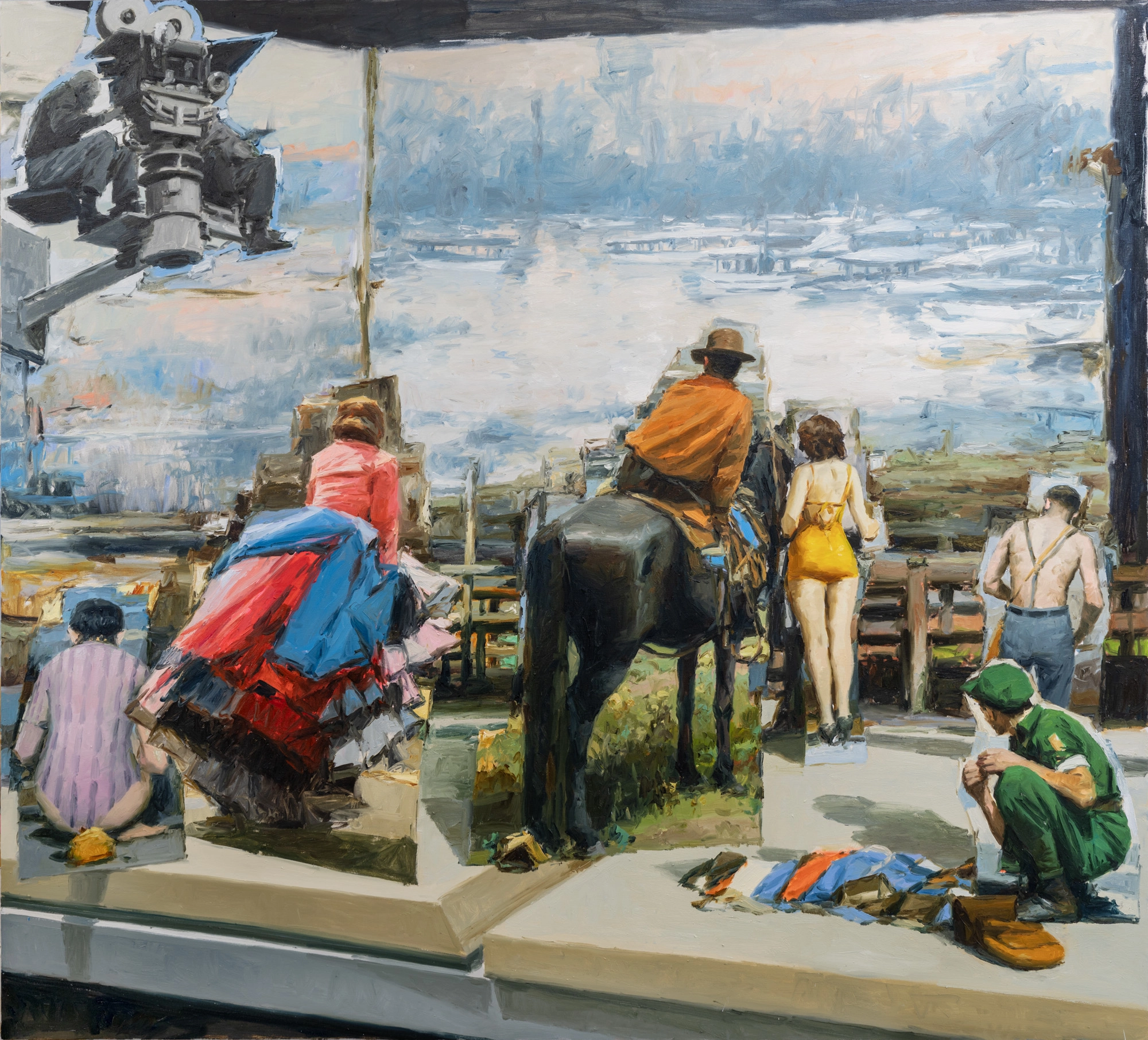
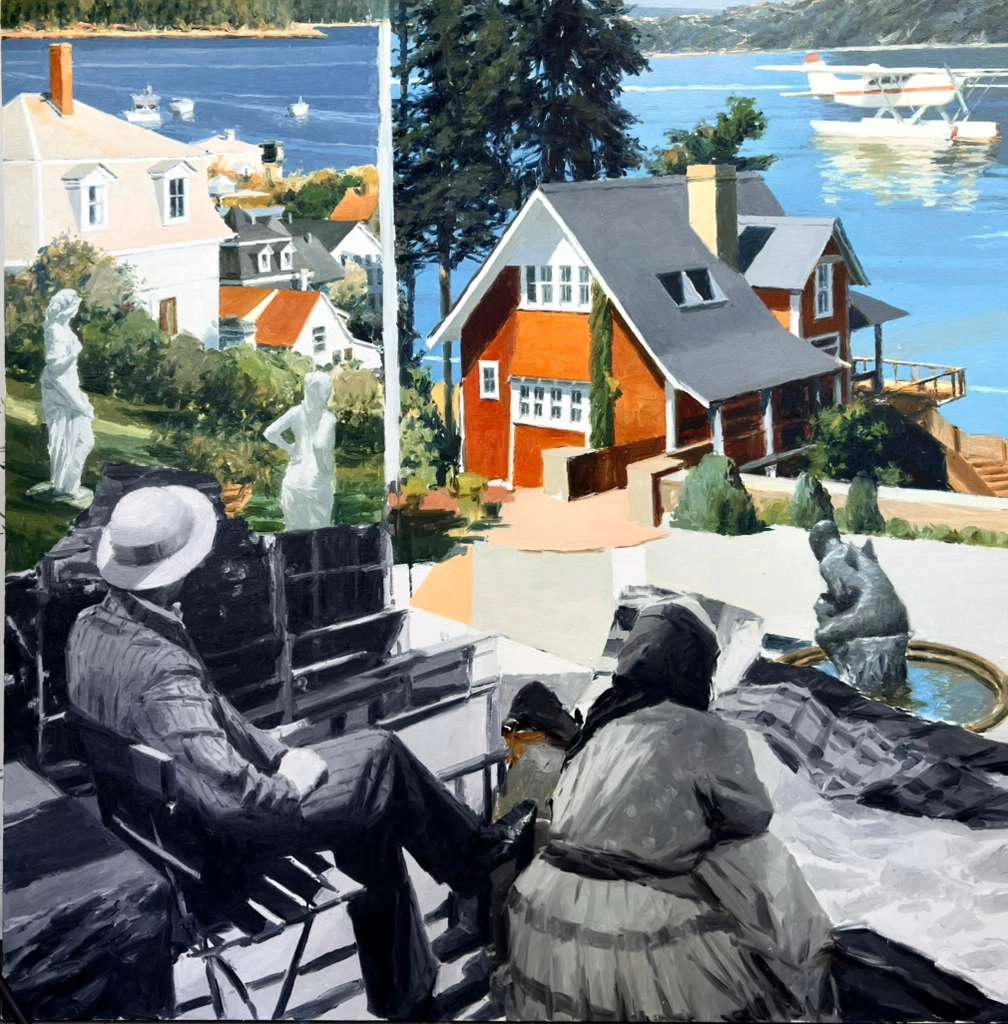
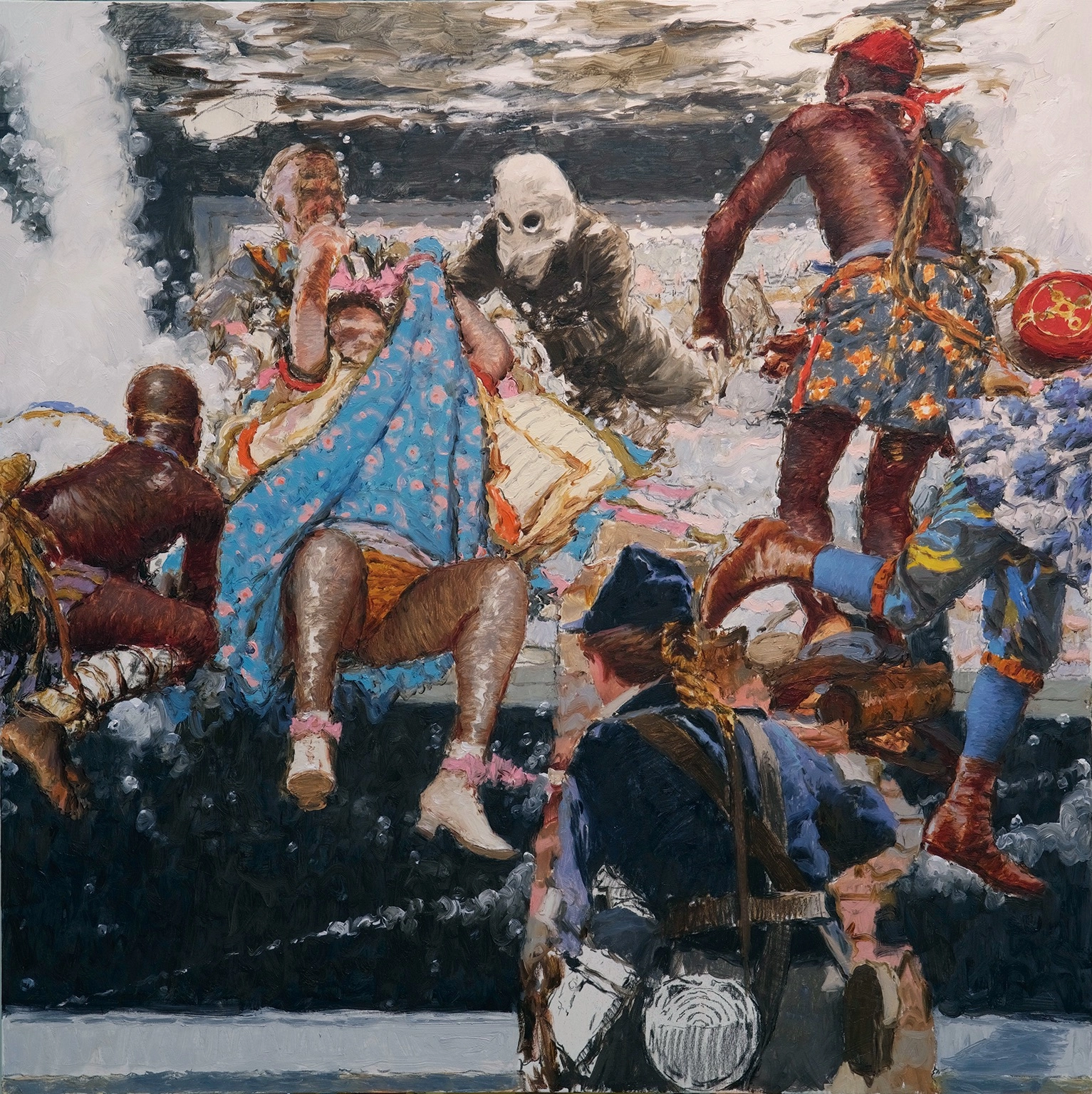
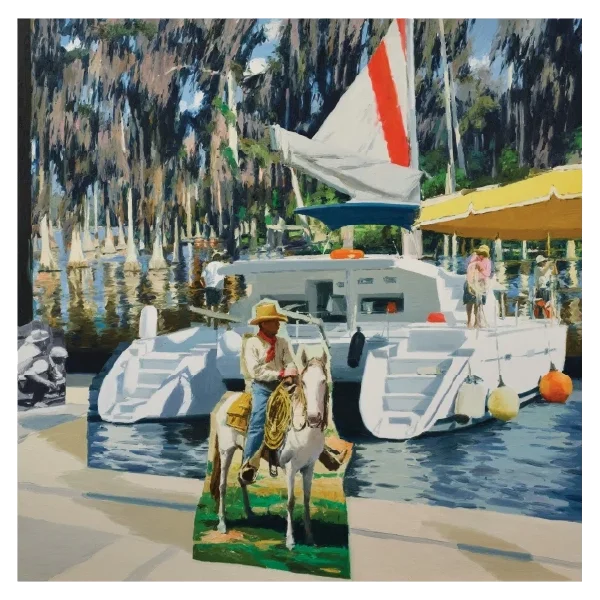
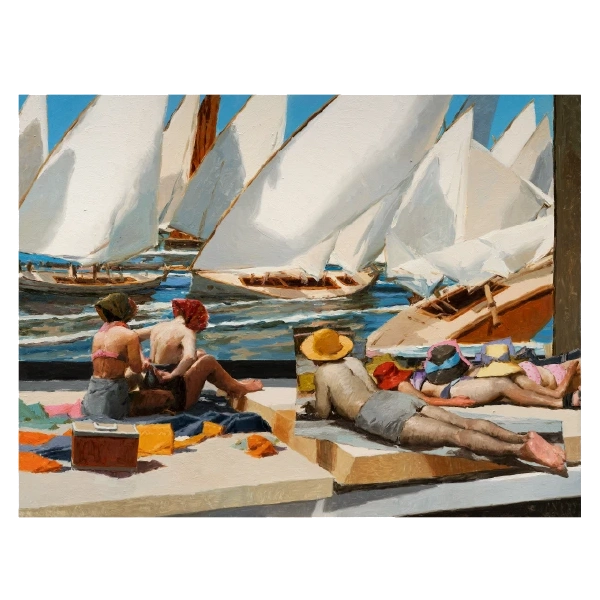
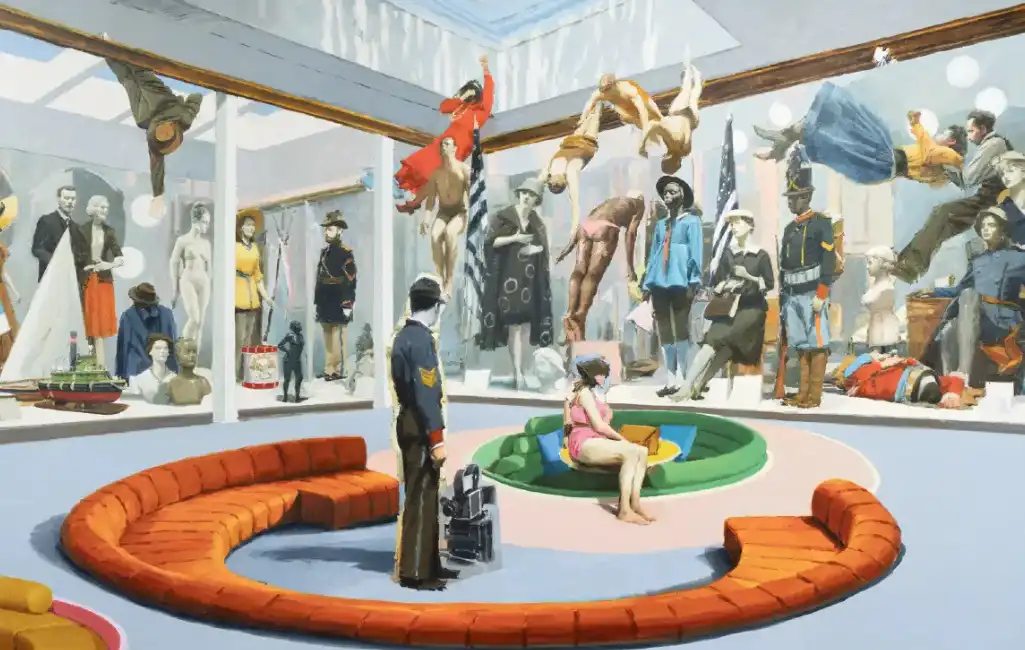
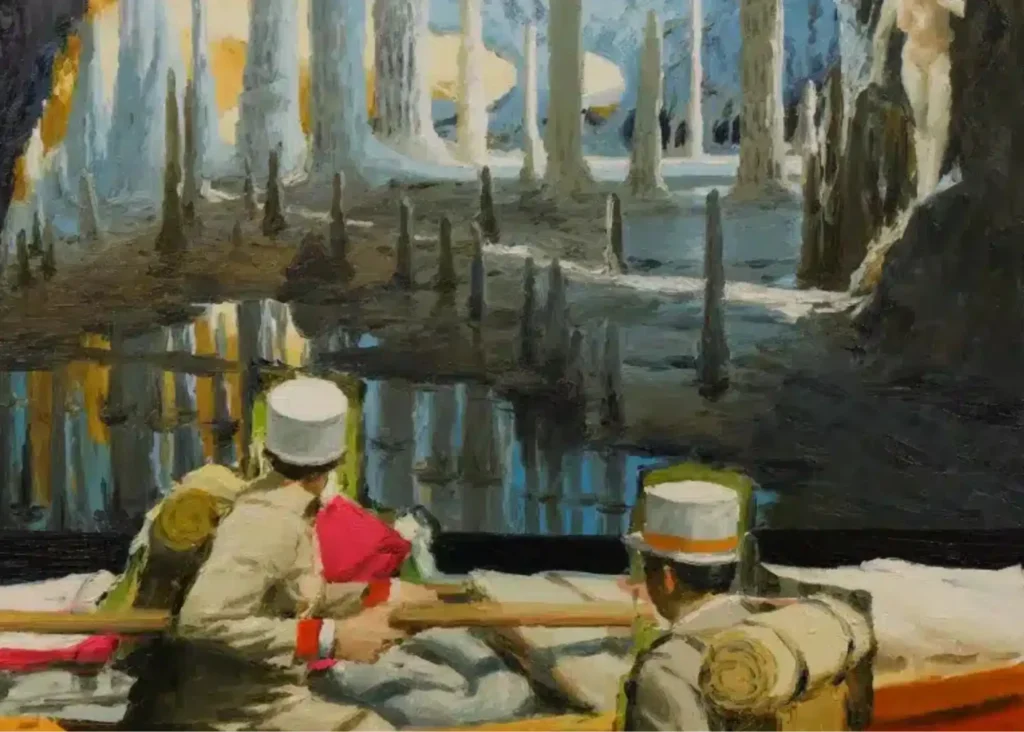
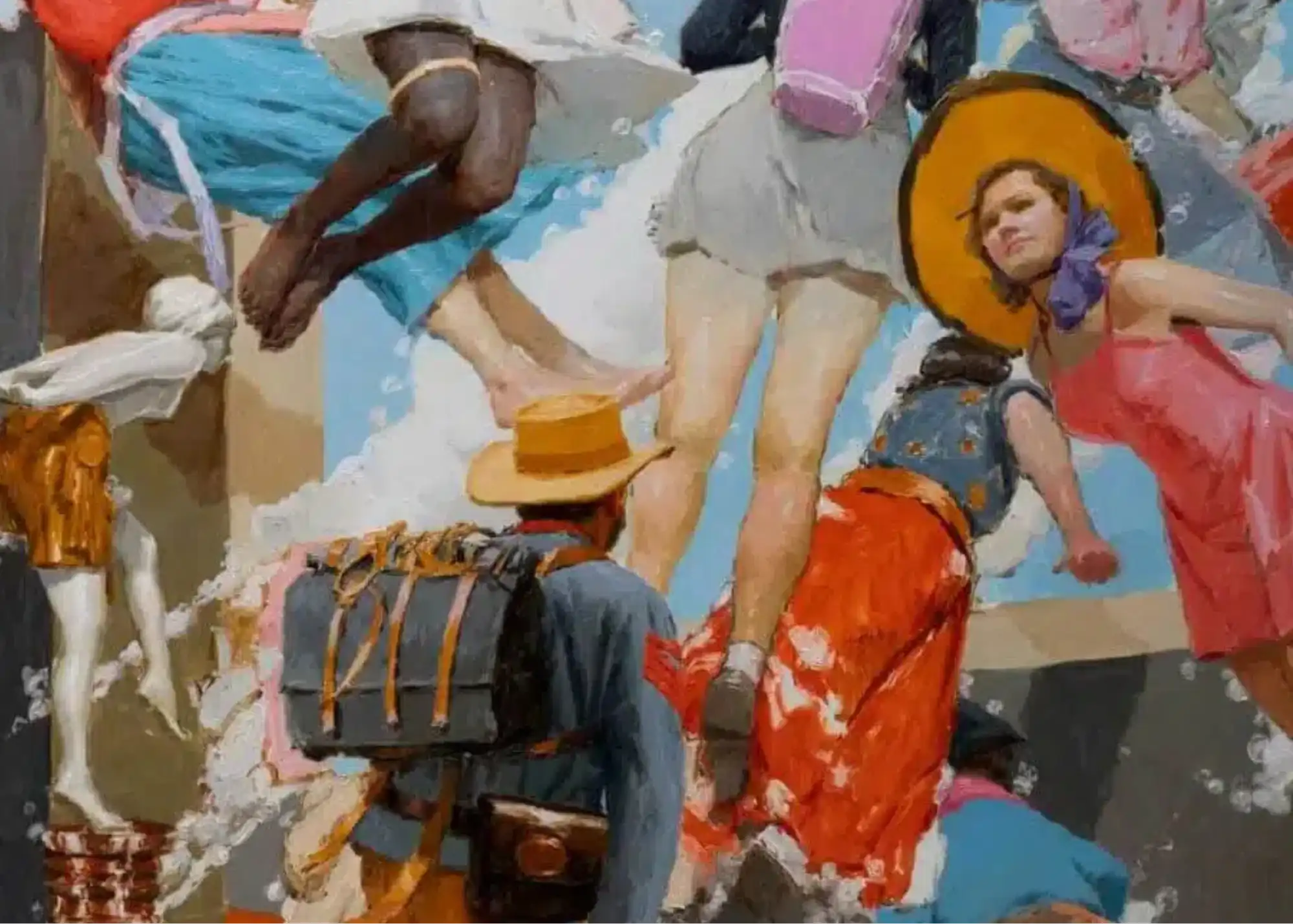
In Ariel Cabrera’s artworks, major historical events give way to scenes of everyday life. His characters converse, rest, sail, or take part in social gatherings, moving away from traditional heroic representations. Through these scenarios, Cabrera explores the distance between official narratives and individual experience, incorporating paradox, humor, and fiction into his compositions.
His paintings combine references to the figurative tradition with techniques associated with Impressionism. Light, water, landscape, and the representation of the human figure contribute to highly atmospheric scenes in which past and present appear to coexist.
This investigation into the multiple ways history can be narrated was at the heart of Metanarrativas, his 2025 solo exhibition presented by Duque Arango Gallery and inspired by Jorge Luis Borges’s The Aleph. The exhibition explored the relationships between documents, memory, fiction, and the construction of history.
Ariel Cabrera’s work has been presented internationally at art fairs including Zona Maco, ART SG, Art Miami, and Palm Beach Modern + Contemporary. His works are held in private collections across the Americas, Europe, and Asia. He is currently represented by Duque Arango Gallery.