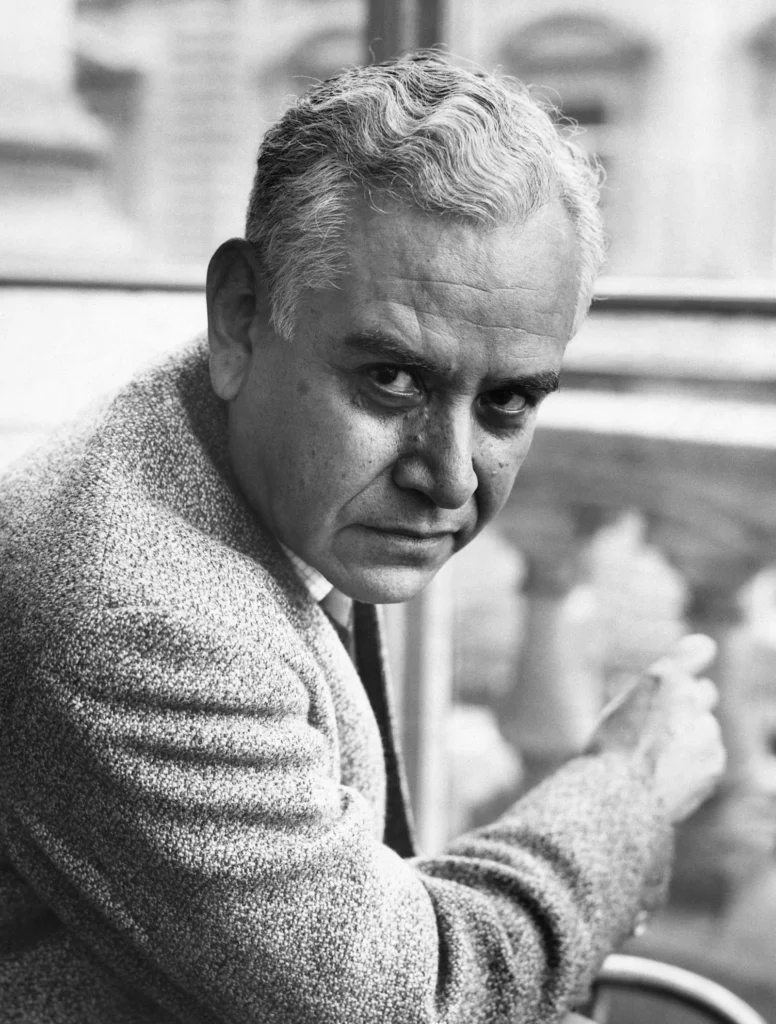
Rufino Tamayo (Oaxaca, Mexico, 1899 – Mexico City, 1991) was a leading figure in Mexican and Latin American modern art during the 20th century. Over a career spanning more than seven decades, he developed a distinctive pictorial language that brought together references to pre-Hispanic art and Mexican culture with the transformations of international modernism.
Born in Oaxaca into a family of Zapotec heritage, Tamayo moved to Mexico City in his youth. In 1917, he enrolled at the National Academy of Fine Arts and later continued his artistic development independently. His engagement with the pre-Hispanic collections of Mexico’s National Museum played an important role in shaping a visual sensibility that would remain present throughout his career.
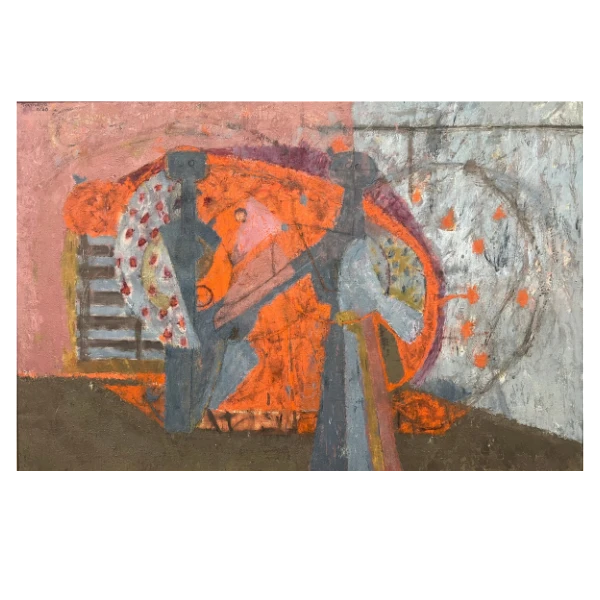
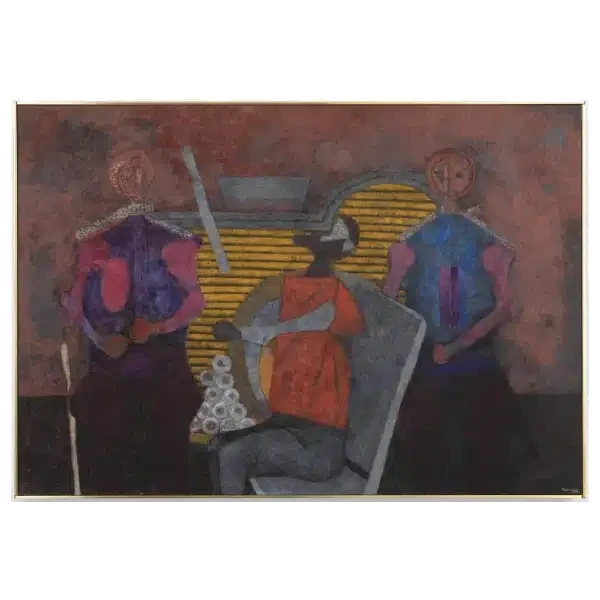
During his years in New York, particularly between 1936 and 1950, Rufino Tamayo came into direct contact with international avant-garde movements and developed a visual language in dialogue with European modernism. His paintings combined these influences with colors, forms, and references drawn from Mexico and Mesoamerican cultures, creating his own approach to figuration and abstraction.
Tamayo developed his career alongside Mexican Muralism, while maintaining an independent position toward the political and didactic character that defined much of the movement. His interests centered instead on the universal possibilities of painting and themes related to the human condition, nature, and the cosmos.
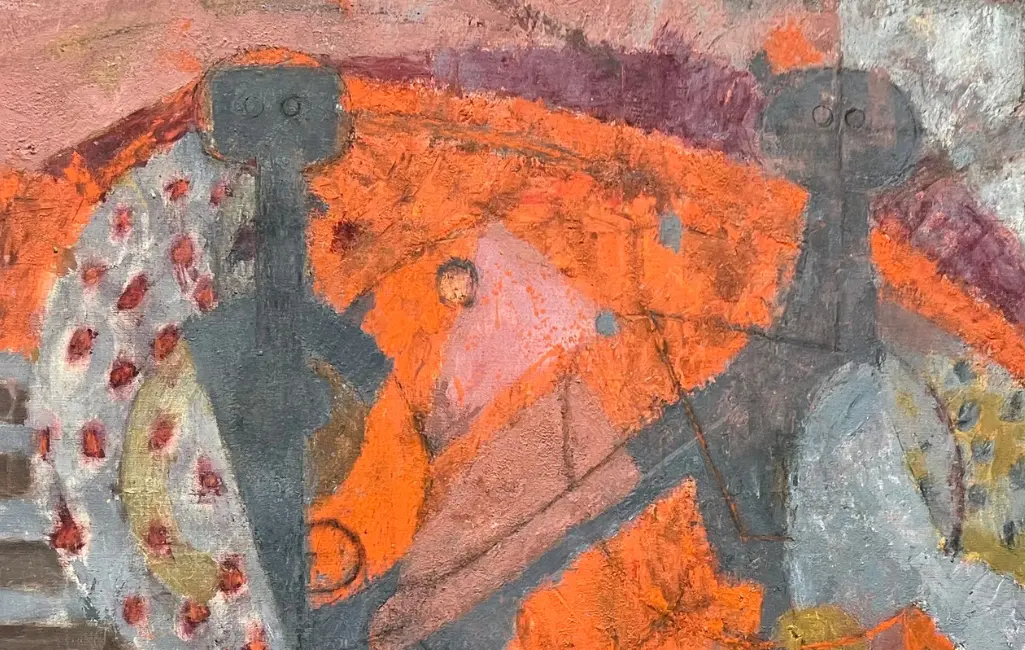
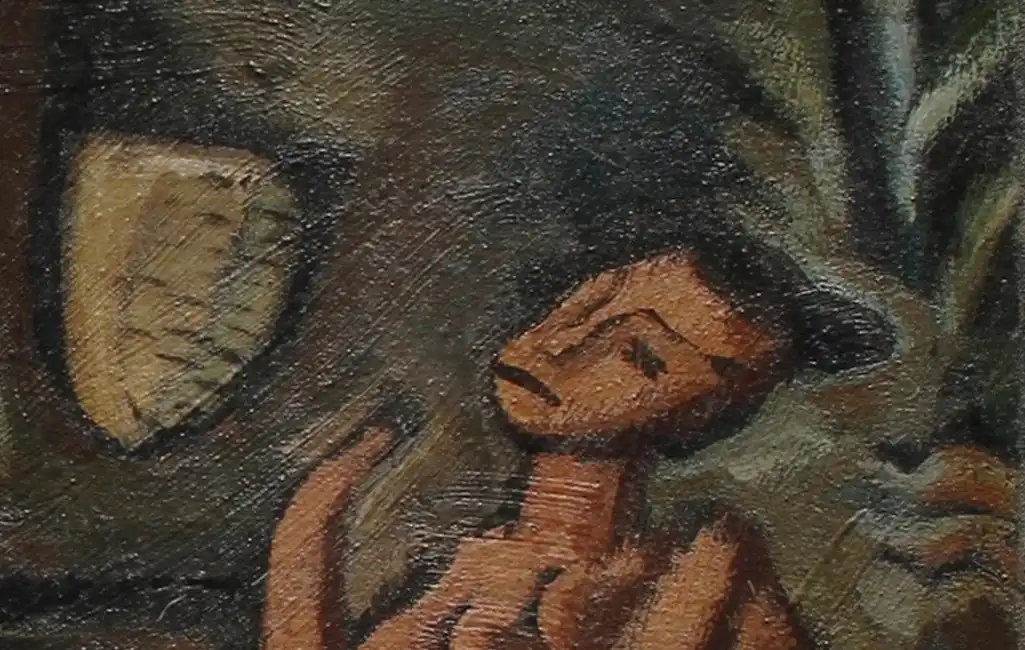
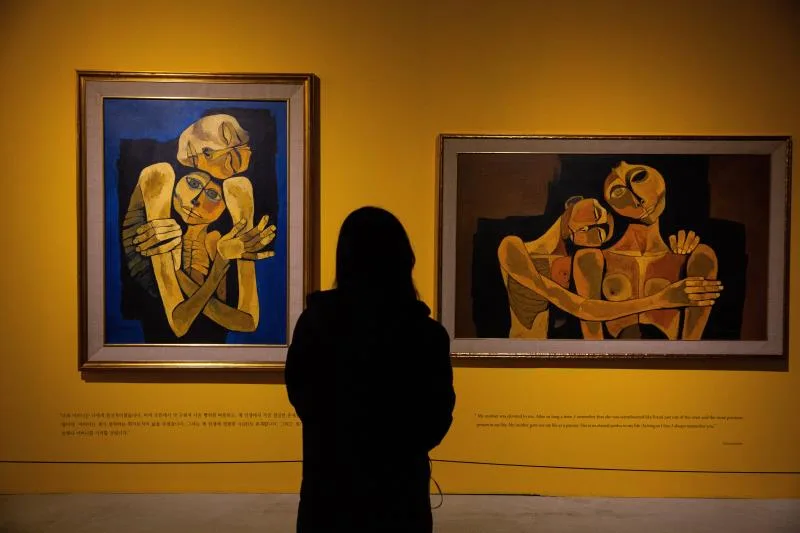
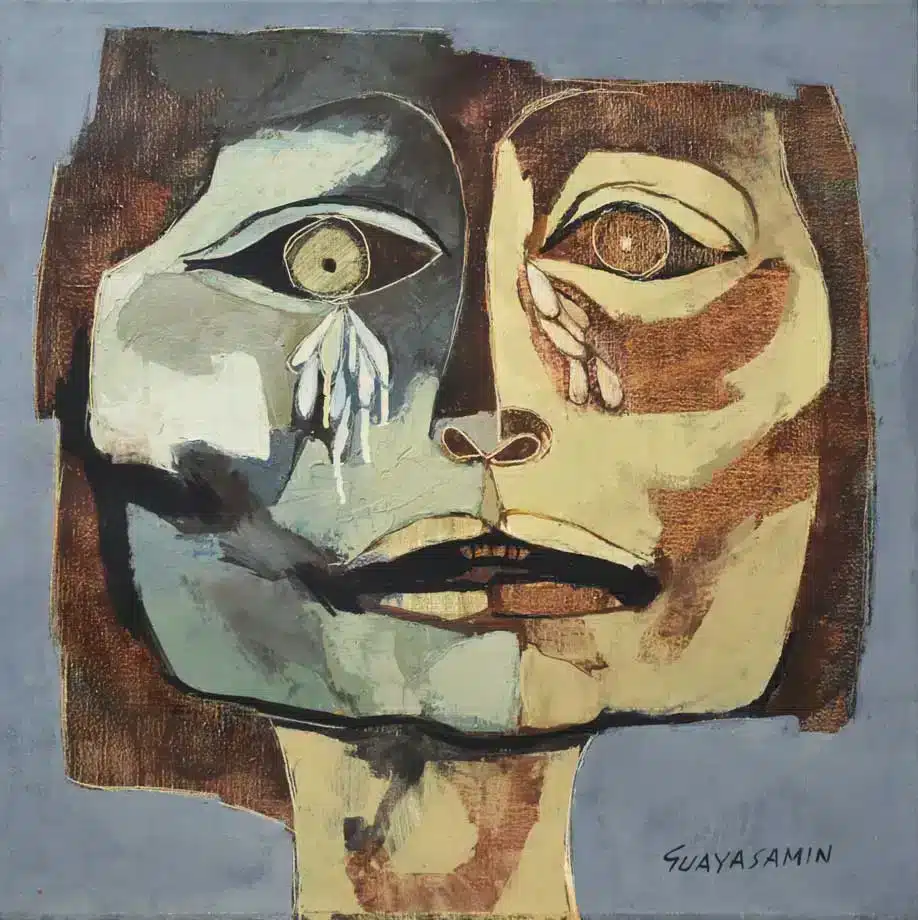
In his artworks, human figures, animals, fruits, and celestial bodies appear through simplified forms, richly textured surfaces, and an intense exploration of color. In addition to easel painting, Tamayo created major monumental works, including a mural for UNESCO headquarters in Paris in 1958.
His legacy is also closely associated with the Museo de Arte Prehispánico Rufino Tamayo in Oaxaca and the Museo Tamayo Arte Contemporáneo in Mexico City.
Rufino Tamayo’s artworks are held in major international collections, including those of the Museum of Modern Art (MoMA), Solomon R. Guggenheim Museum, Smithsonian American Art Museum, and Art Institute of Chicago. His ability to establish a dialogue between Mexico’s cultural heritage and international modern art consolidated his place as an essential figure in 20th-century Mexican and Latin American art.