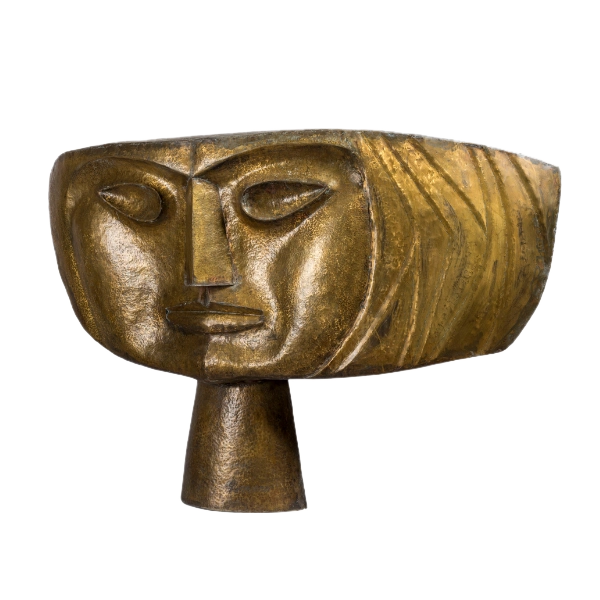
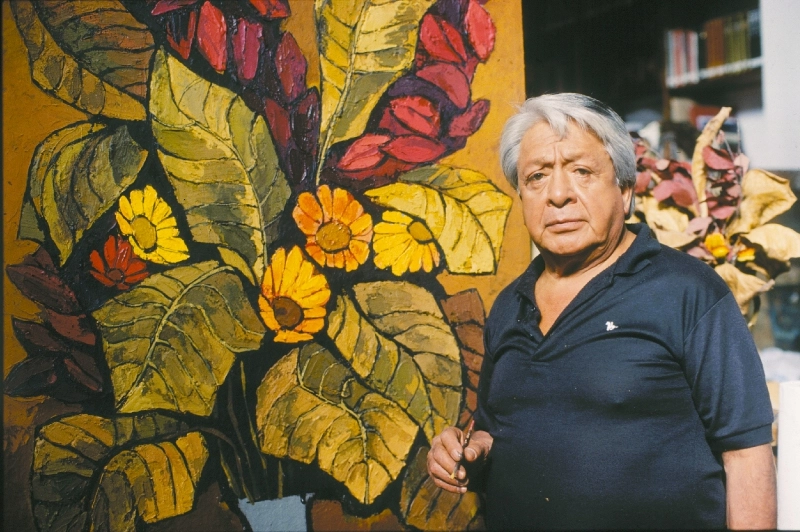
Oswaldo Guayasamín (Quito, Ecuador, 1919 — Baltimore, United States, 1999) was one of the most important Ecuadorian artists of the 20th century and a leading figure in Latin American modern art. A painter and sculptor, he developed a distinctive expressionist language deeply connected to the Indigenous and mestizo identity of Latin America, addressing themes such as inequality, violence, human suffering, memory, and dignity.
Born in Quito, Guayasamín studied painting, sculpture, and architecture at the city’s School of Fine Arts. During the 1940s, he traveled through the United States and Mexico, where he encountered Mexican muralism and worked alongside José Clemente Orozco. He later traveled across several Latin American countries, an experience that became fundamental to the development of his artistic vision.
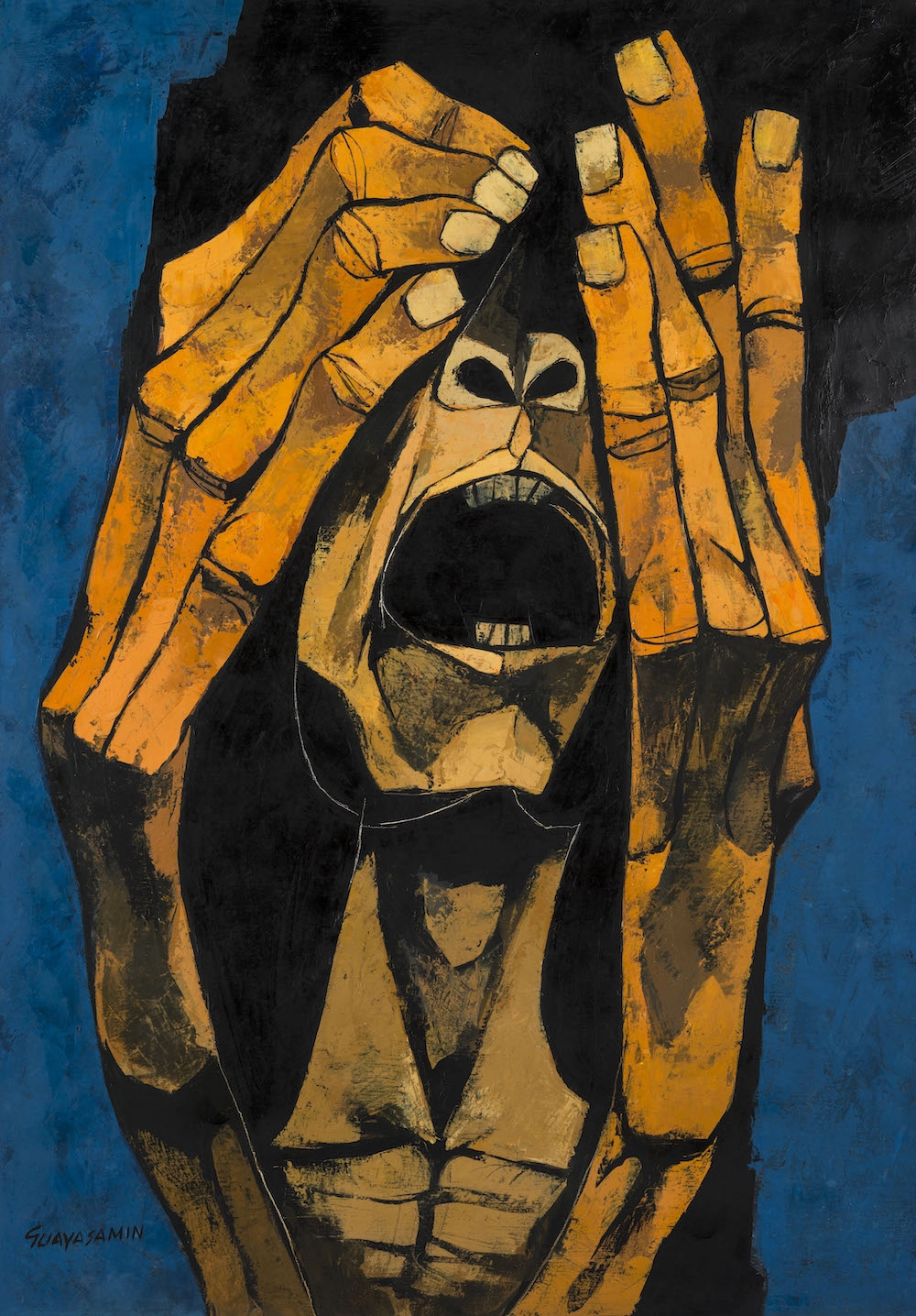
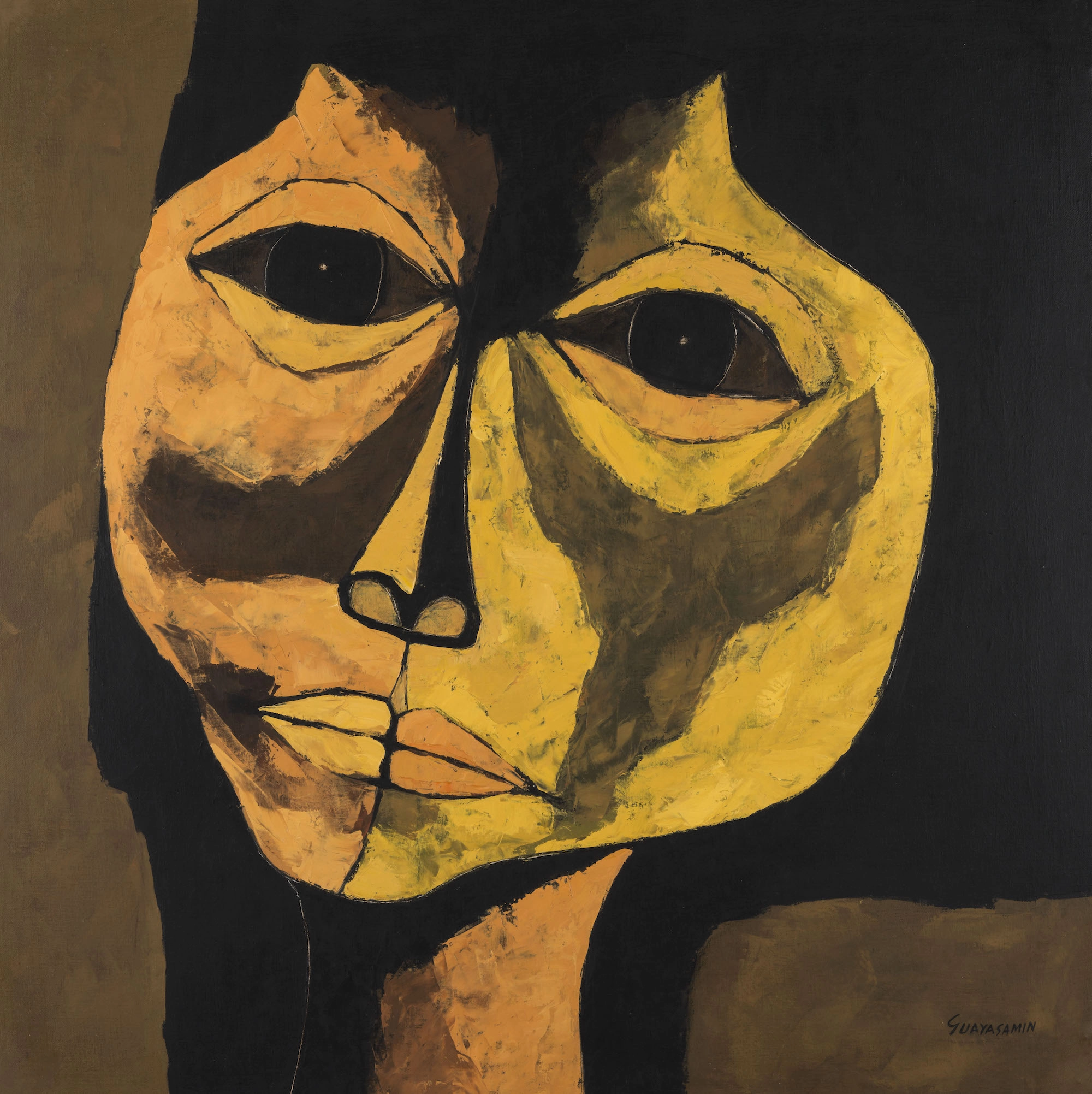
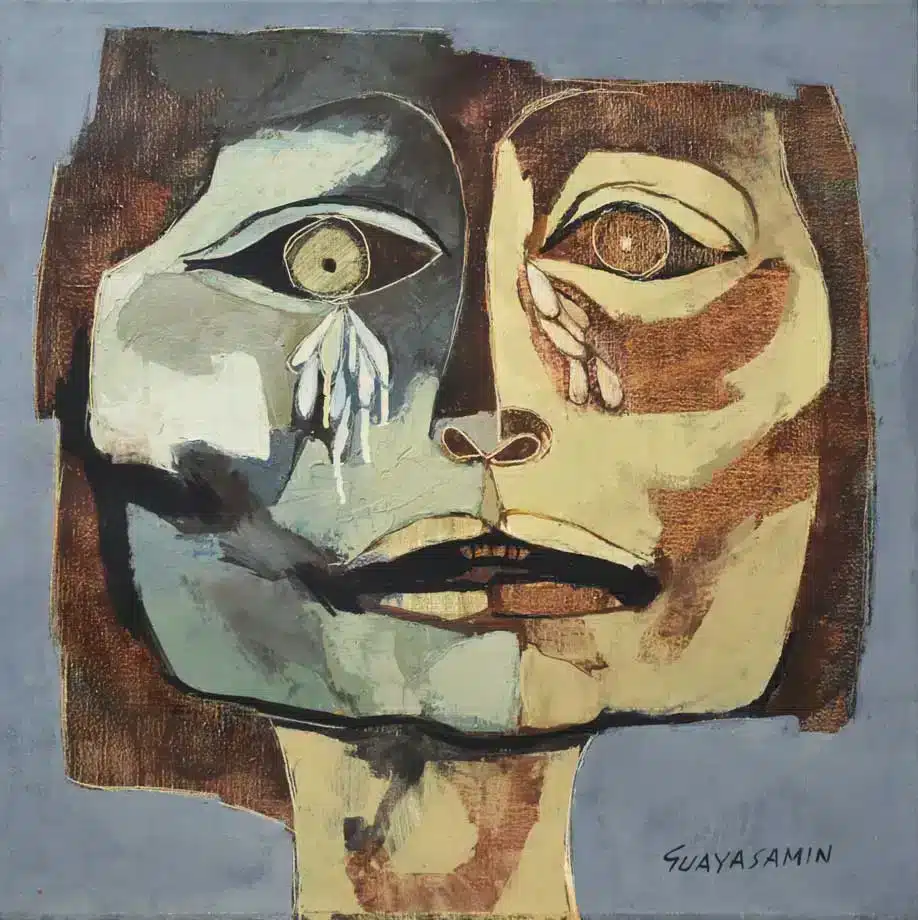
These journeys inspired Huacayñán, or The Way of Tears, his first major series, centered on the Indigenous, mestizo, and Afro-descendant peoples of Latin America. Years later, he developed The Age of Anger (La Edad de la Ira), a body of work addressing violence, war, dictatorships, and other forms of oppression throughout the 20th century. Fragmented faces, intensely expressive hands, and figures under tension became recurring elements in Oswaldo Guayasamín’s work.
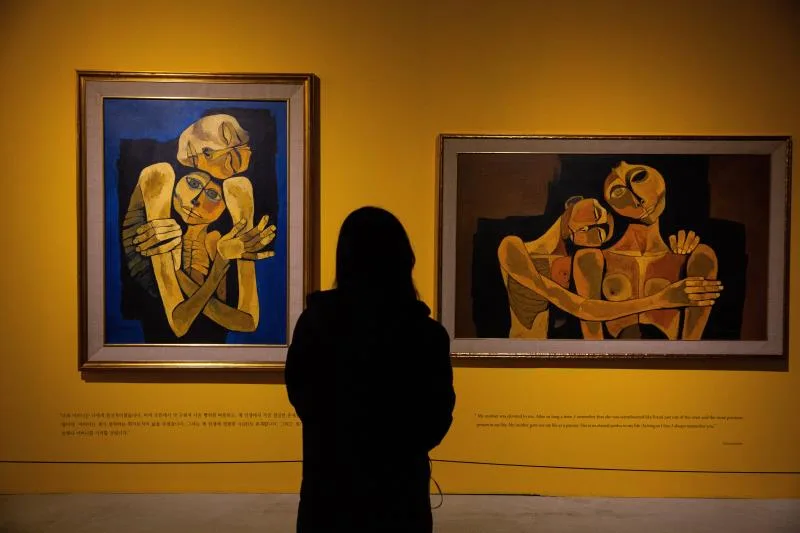
In contrast, his series The Age of Tenderness (La Edad de la Ternura) explored love, motherhood, and protection. Largely dedicated to the figure of his mother, this period reveals a more intimate dimension of his practice while maintaining his broader reflection on the human condition.
One of the central projects of his legacy is the Capilla del Hombre (Chapel of Man) in Quito, conceived by Guayasamín as a space dedicated to the history, struggles, and identity of the peoples of Latin America. The project was completed and inaugurated in 2002, three years after the artist’s death.
Oswaldo Guayasamín’s artworks are held in major public and private collections around the world. His ability to bring together expressionism, Latin American identity, and social consciousness established an immediately recognizable artistic language and consolidated his place as one of the essential figures of 20th-century Ecuadorian and Latin American art.