


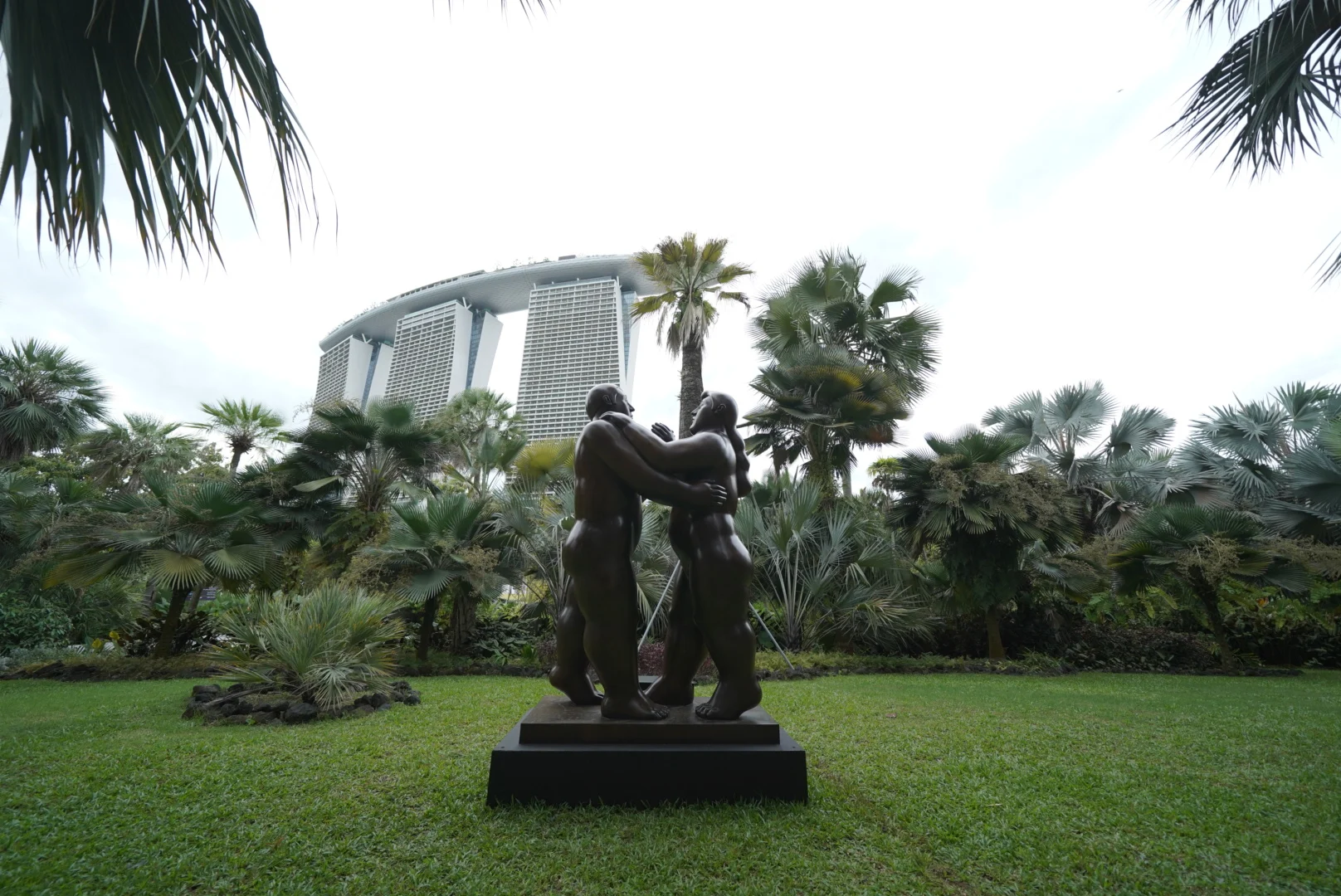
Fernando Botero at Art SG: Sculptures and Paintings in Singapore
Singapore has become one of the world’s most compelling hubs for international art engagement. During the cultural moment surrounding Art SG Singapor
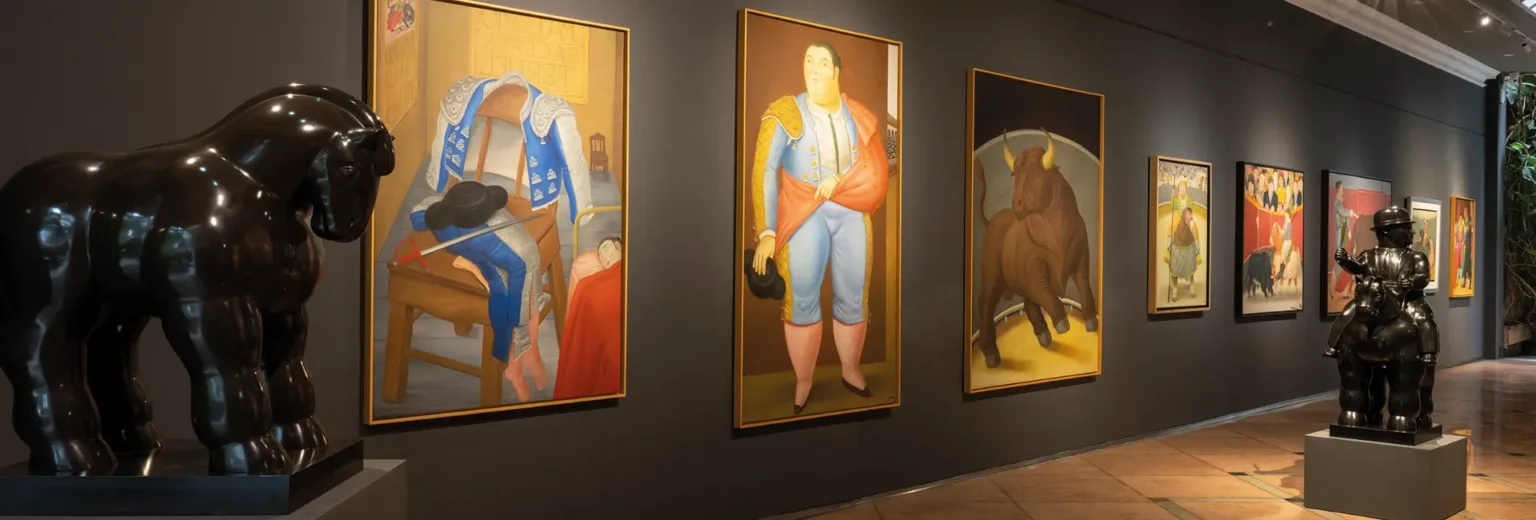
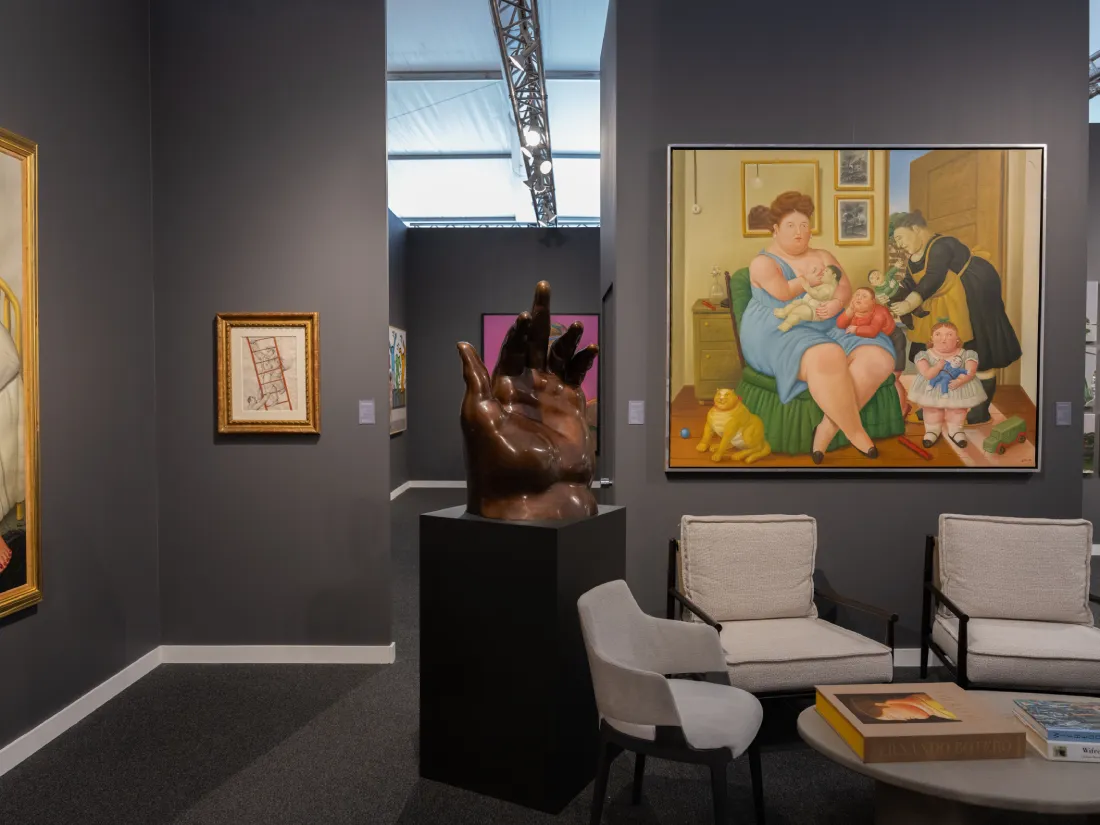
Bronze
85 in height x 36 3/4 in diameter
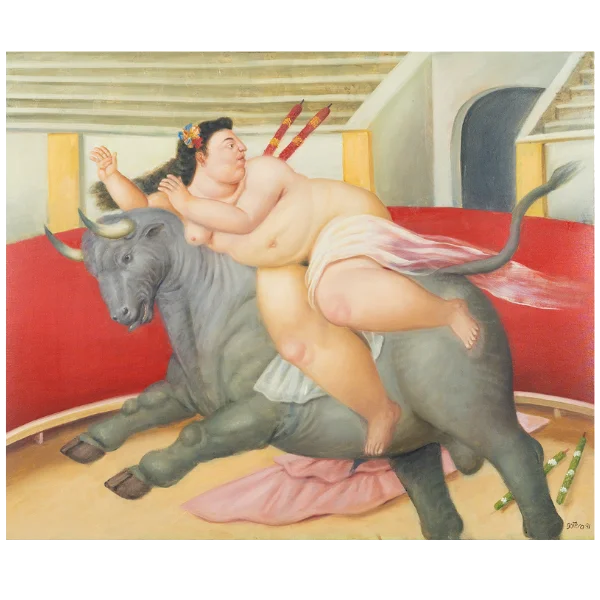
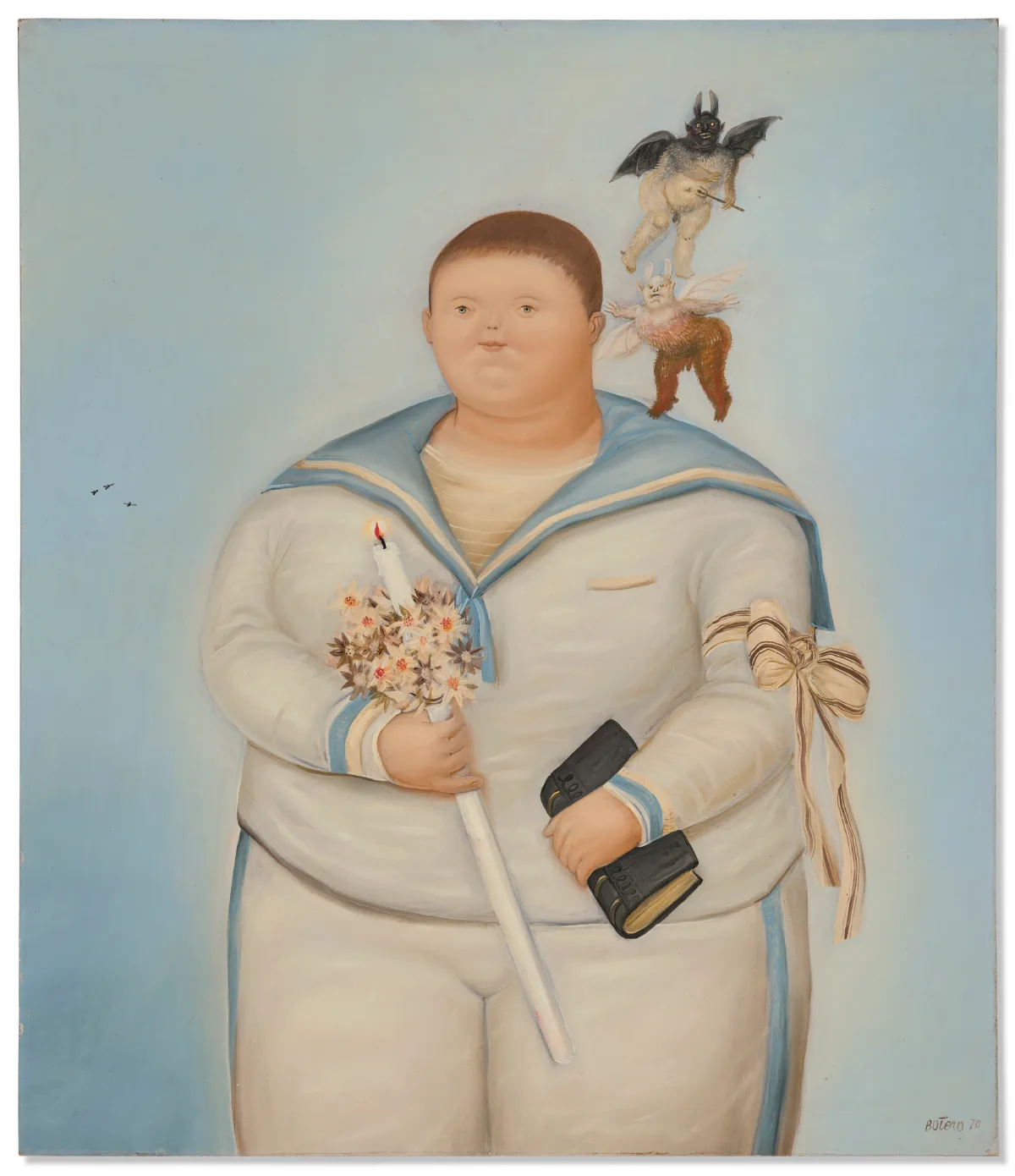
Oil on canvas
32 5/8 x 39 3/8 in
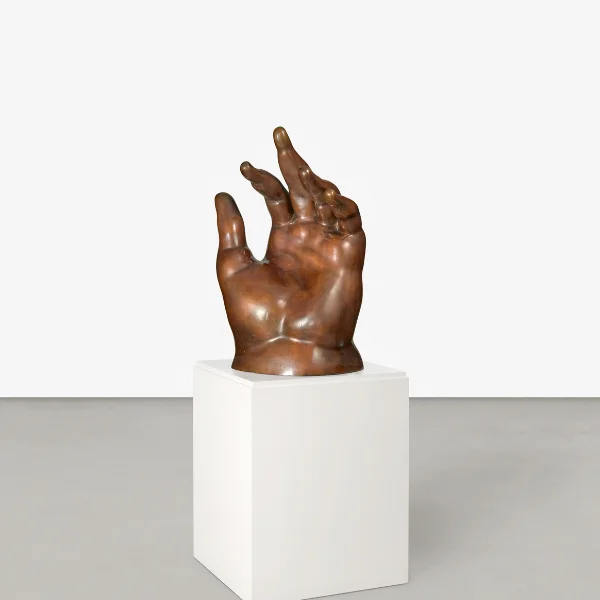
Bronze
34 5/8 x 19 3/4 x 15 in
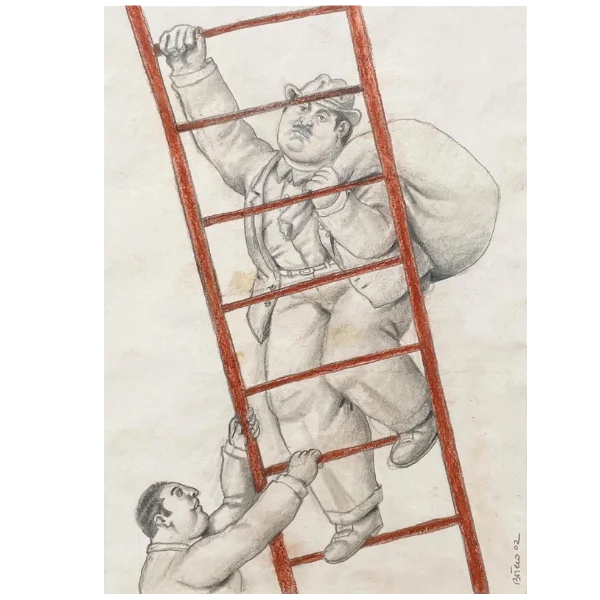
Pencil and crayon on paper
5 x 11 in
Oil on canvas
29 7/8 x 25 1/4 in
Fernando Botero was a renowned Colombian painter and sculptor, known for his volumetric stylization of figures and objects. His work encompasses themes such as everyday life in Colombia, artistic historical references and abuses of power, all unified by his exaggeratedly rotund figures. This stylization, known as “Boterism”.
He was born in Medellín on April 19, 1932, the second of three children of David Botero Mejía and Flora Angulo de Botero. From an early age, he was influenced by the baroque style of colonial churches. He began his primary education at the Ateneo Antioqueño and continued his secondary education at the Bolivar School.
Driven by his family, Botero developed a deep appreciation for bullfighting since childhood, which led him to explore drawing.
At the age of 16, he got his first job as an illustrator for the newspaper El Colombiano. After finishing high school in Medellín, he moved to Bogotá in 1951. There, he held his first individual exhibition of watercolors, gouaches, inks and oils. His first works of portraits and landscapes showed a very loose brushstroke.
In the early 1960s, Botero settled in New York, where his paintings were very successful in the U.S. art market.
In 1952, he won second prize at the IX National Artists’ Salon with the painting “Frente al mar”. Subsequently, he traveled to Europe to continue his artistic training, residing for approximately four years in cities such as Madrid, Barcelona, Paris and Florence.
Between 1961 and 1973, he took up residence in New York. He would later live in Paris, alternating his stay in the French capital with extended periods in Pietrasanta and his estate in the Cundinamarca town of Tabio. Around 1964, Botero ventured for the first time into the field of sculpture.
For several decades, Botero was one of the most important living artists internationally. After seven decades of artistic career, he became the most recognized living artist in the world, the most published, with the largest number of institutional and museum exhibitions, as well as the most expensive and most transacted living Latin American artist.
From his work emerges an artistic movement, Boterism, which consists of distorting dimensions and working with large volumes.
Fernando Botero passed away on September 15, 2023 at his home in Monaco.
Singapore has become one of the world’s most compelling hubs for international art engagement. During the cultural moment surrounding Art SG Singapor
Few artists in the modern era have achieved the distinctive recognition that Fernando Botero commands. His art, instantly identifiable by i
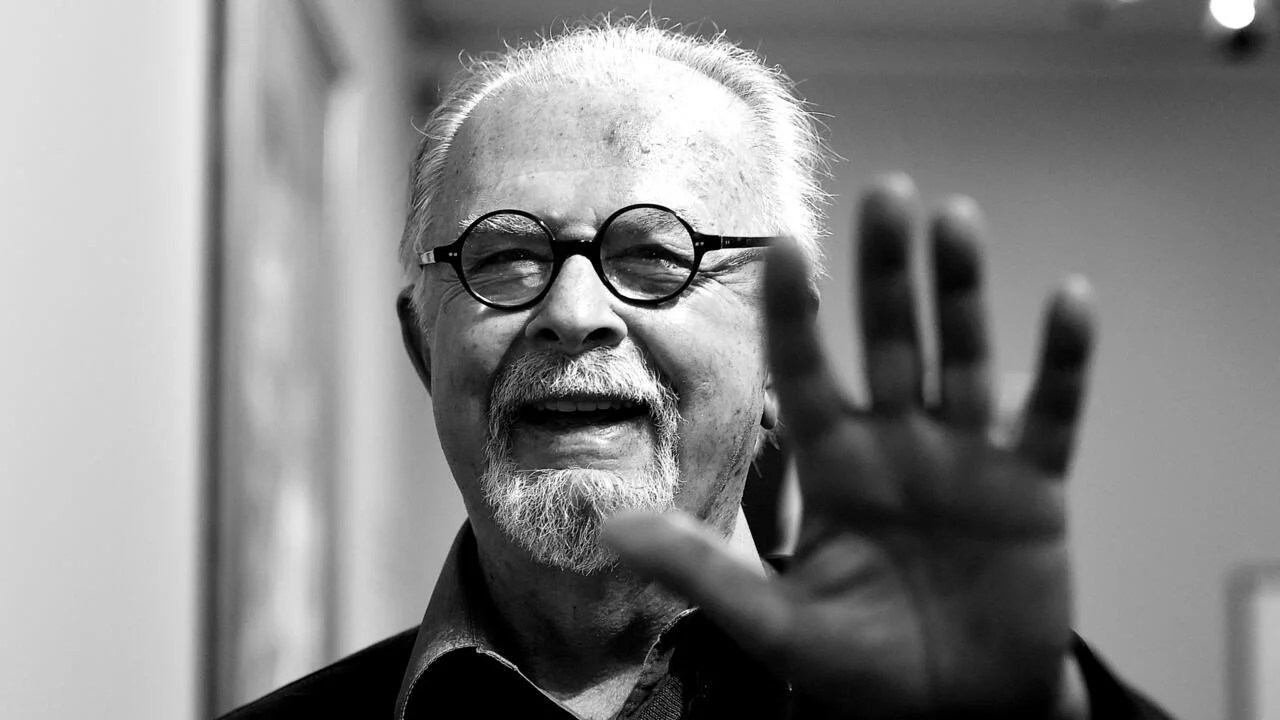
The death of Fernando Botero in September 2023 marked a turning point in the history of Colombian art. Today, on the anniversary of his passing, the
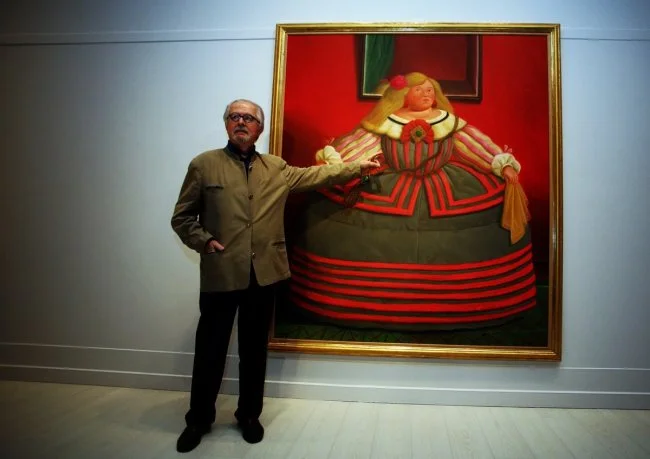
When exploring Fernando Botero’s career, the question inevitably arises: what is Botero most famous painting, and which works can be considered his b
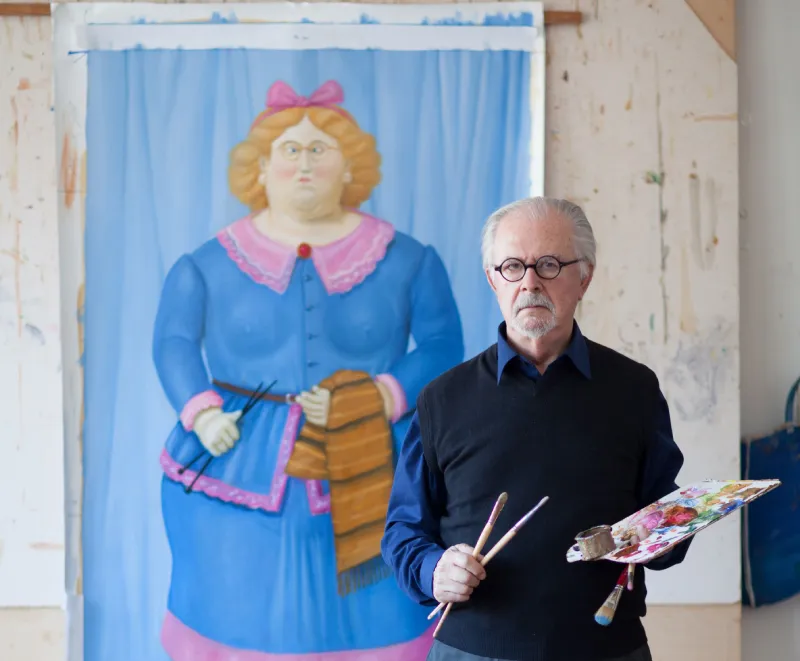
When it comes to intriguing Fernando Botero facts, U.S. audiences are captivated by the bold reality behind his unique artistry. Known for his s
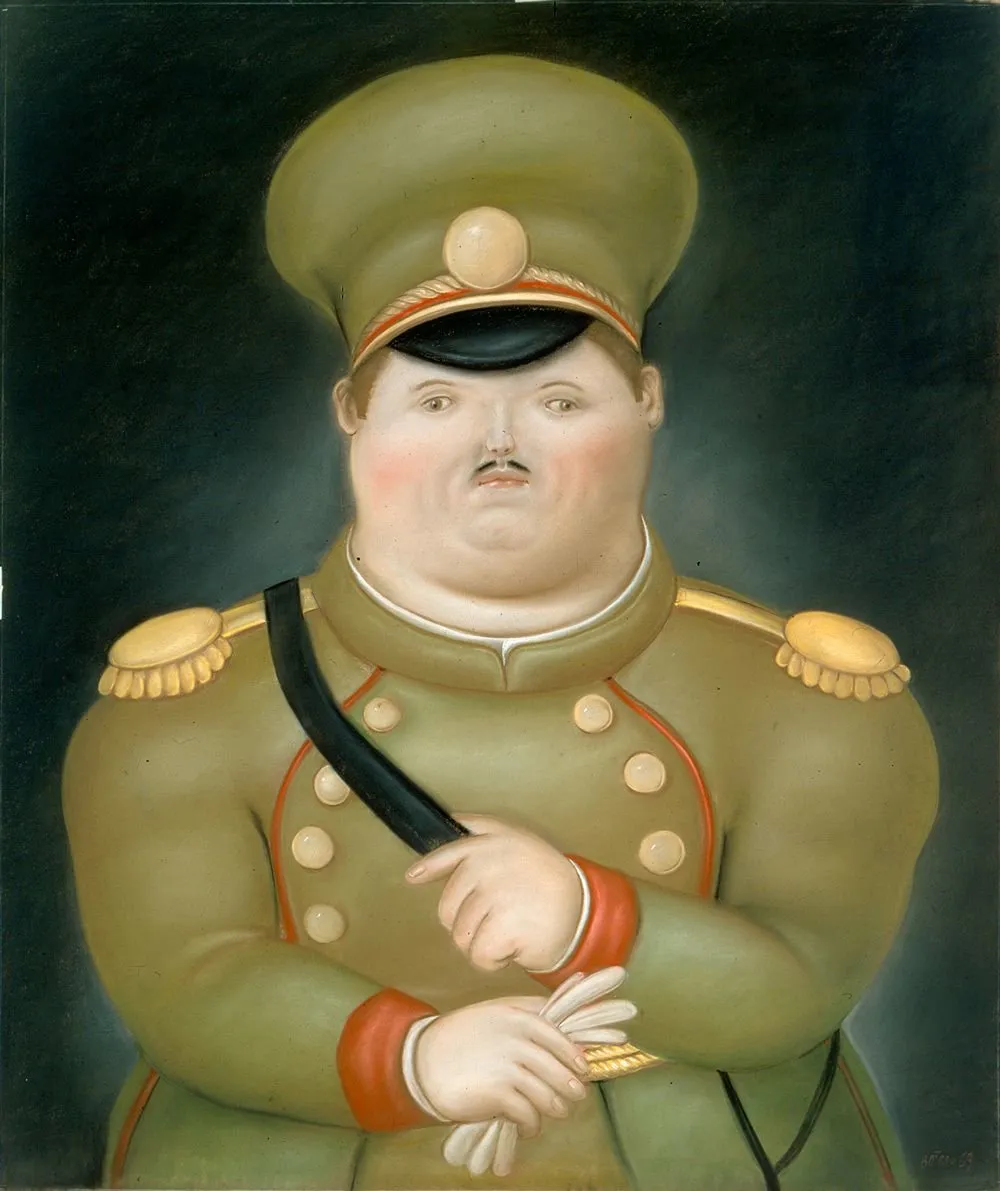
When people think of Colombian art, one name stands out across the globe: Fernando Botero artist. Known for his distinctive style, Fernando Botero’s
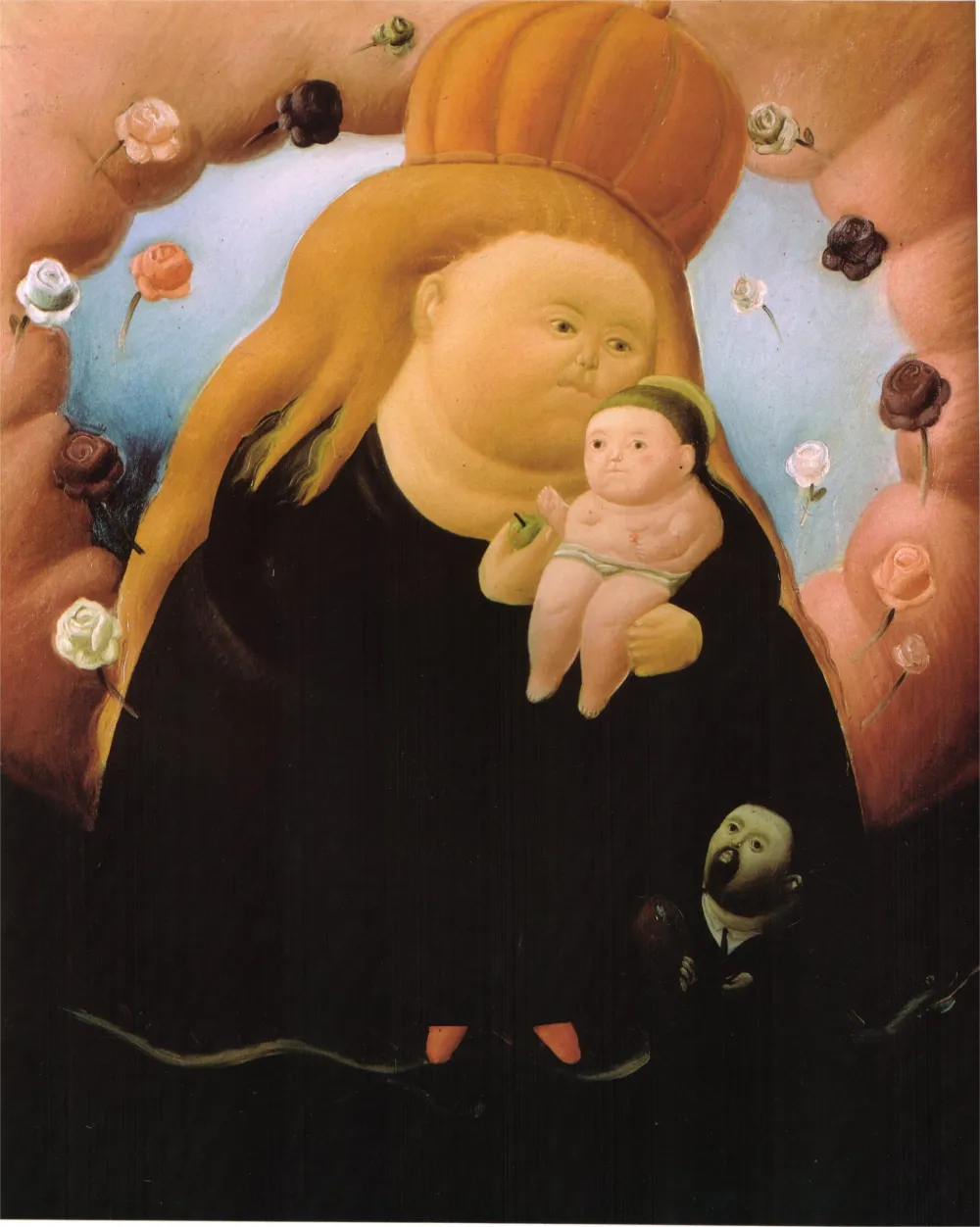
Beyond the surface of rotund shapes lies a disciplined artist with a deep understanding of form, composition, and color. This article explores&nbs
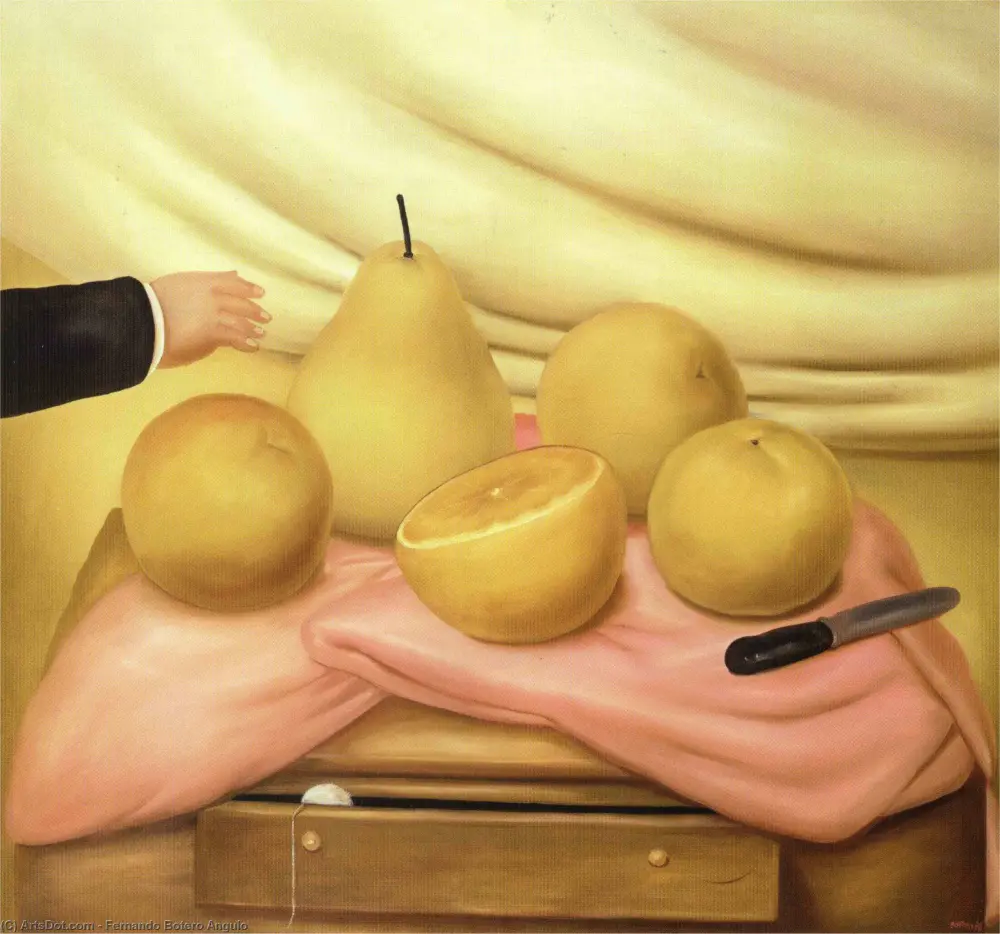
When speaking about Fernando Botero, most art enthusiasts immediately think of his monumental figures and voluminous human forms. Known for developin
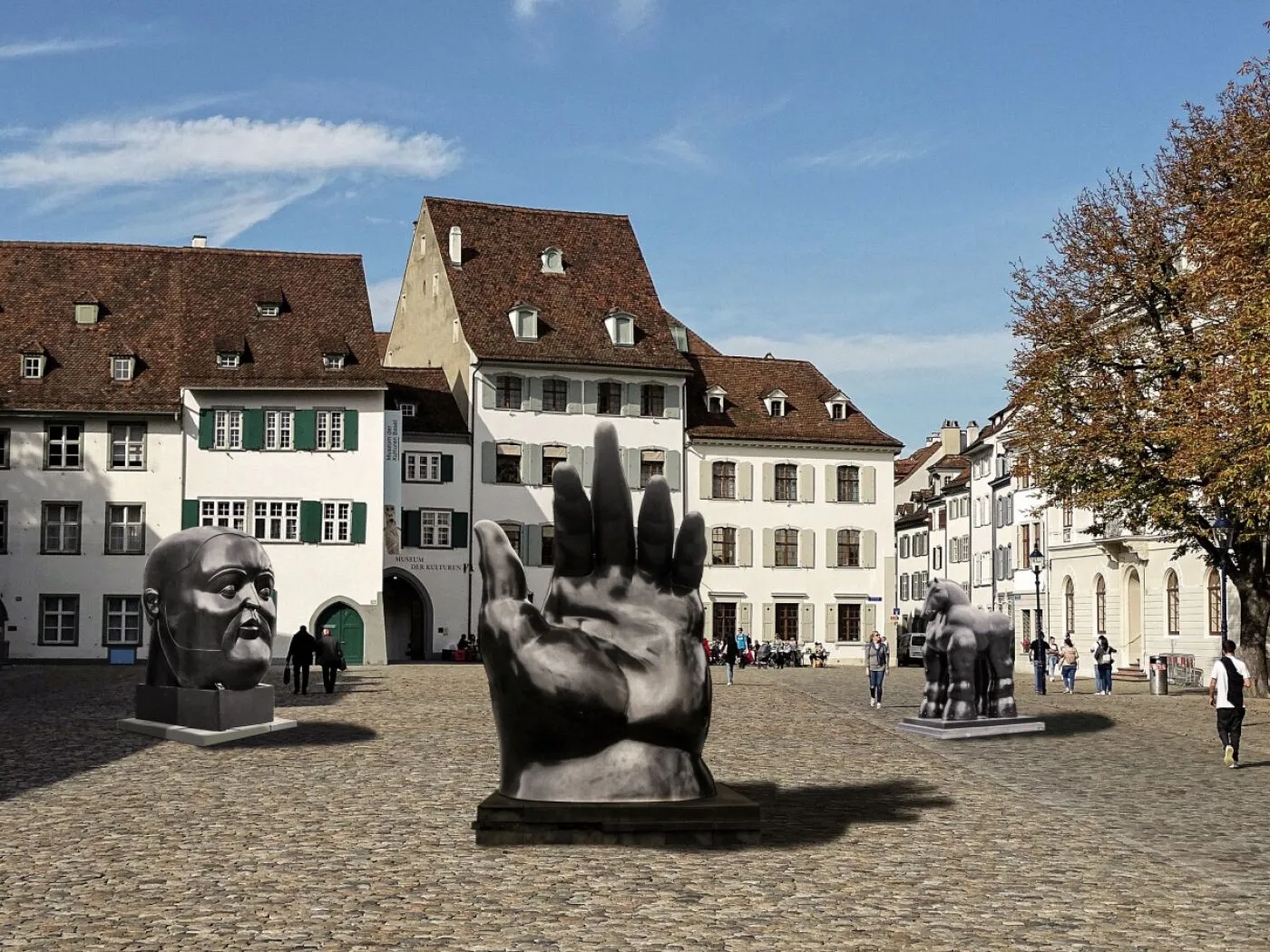
A Sculptor Who Redefined Volume Few contemporary artists have left as indelible a mark on the global art scene as Fernando Botero. Known for his d
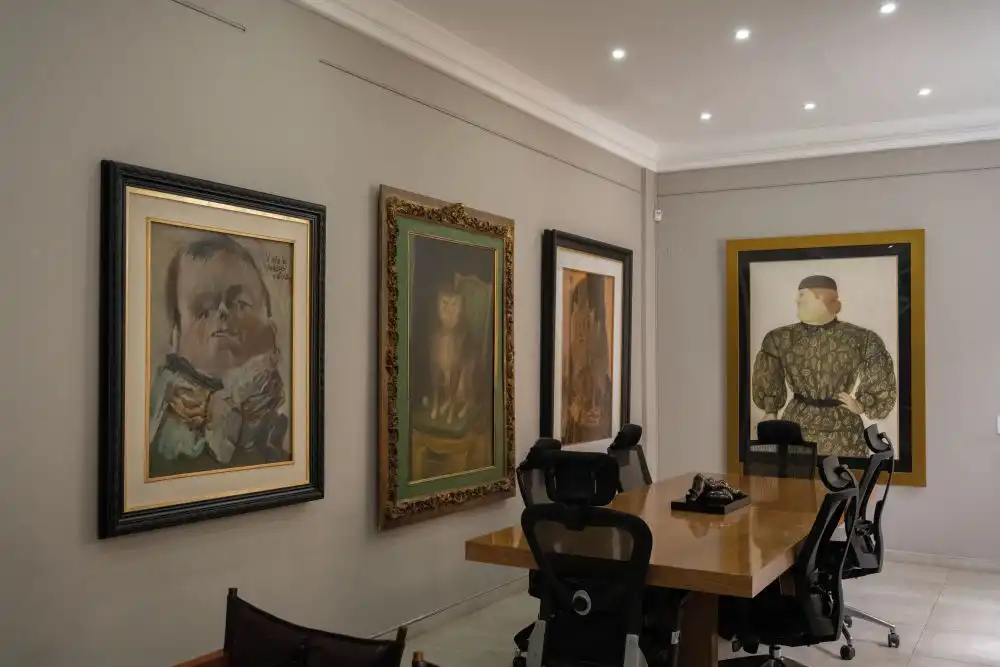
The unique art style of Fernando Botero Fernando Botero is known for his distinctive and recognizable art style. Fernando Botero paintings and Fer
As Asia consolidates its position as one of the most influential regions in the global art market, Singapore has emerged as a key cultural gateway co
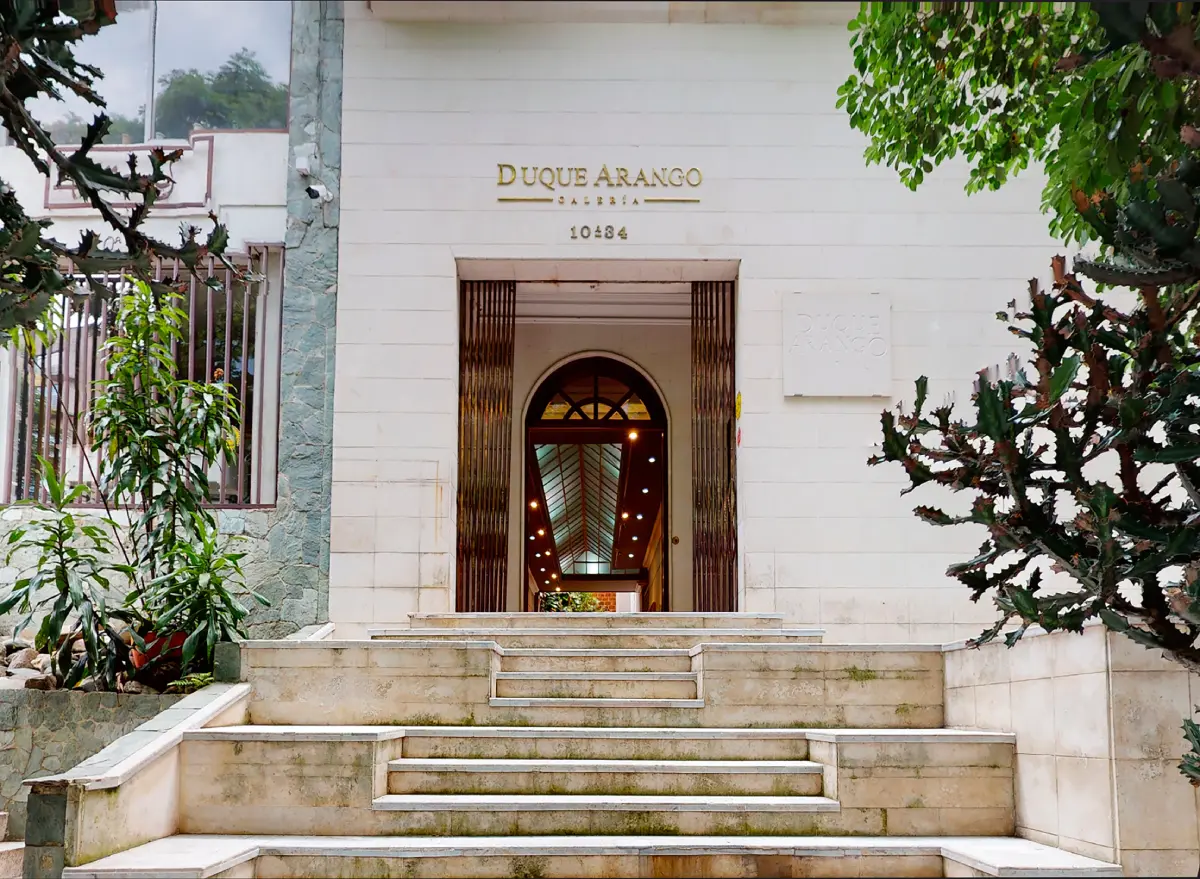
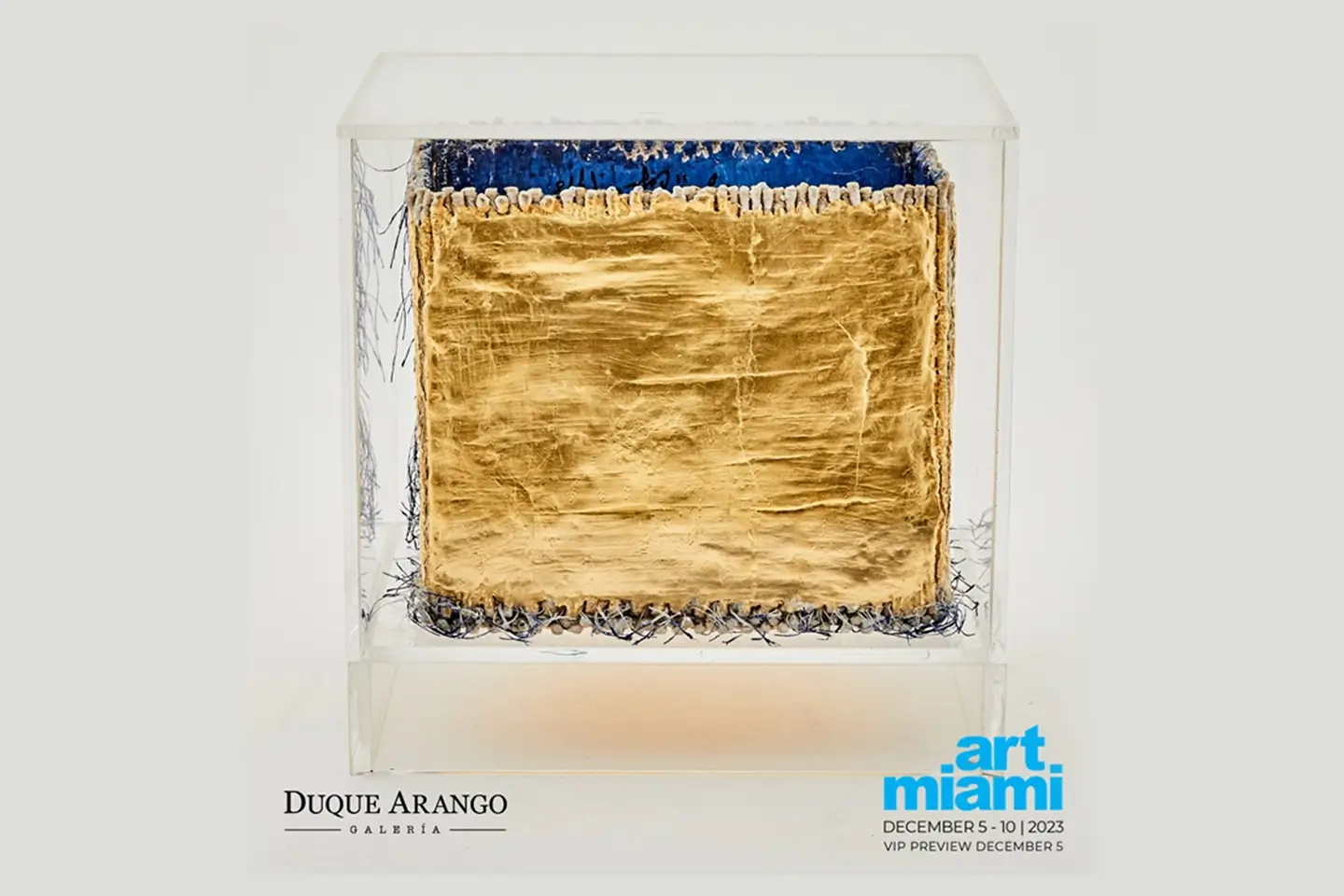
Duque Arango Galería in Medellín, founded in 1980, has established itself as a benchmark for Latin American art in Colombia, with a history that comb
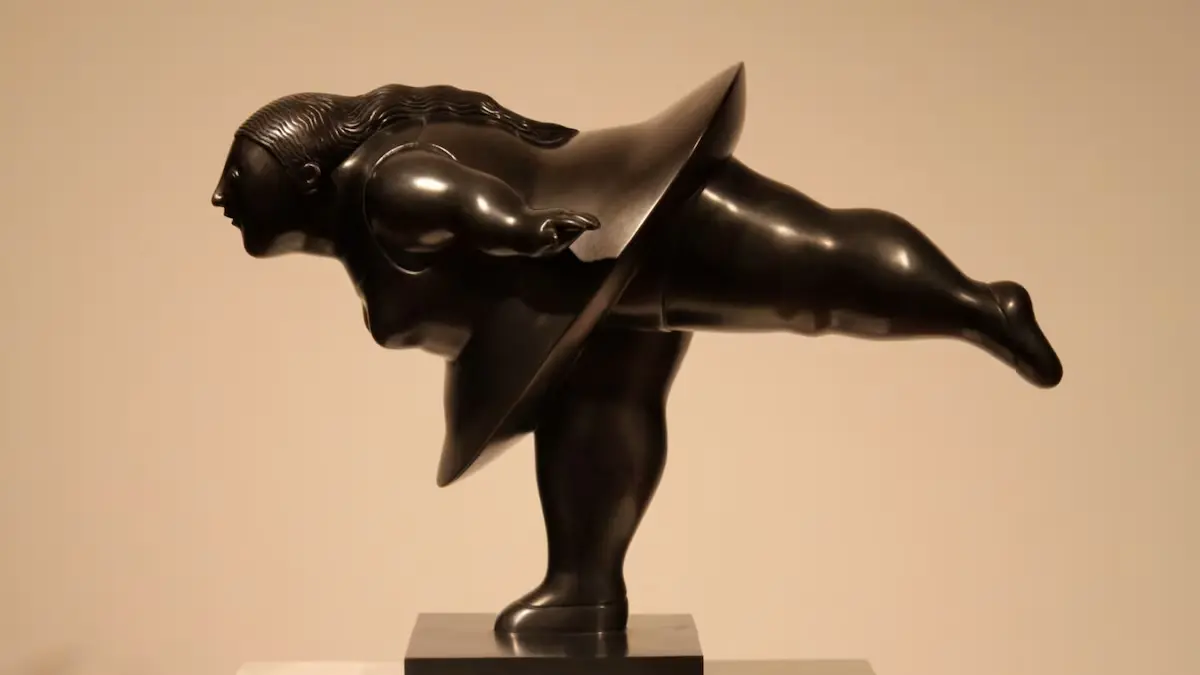
Few artists have achieved the global recognition and enduring appeal of Fernando Botero, the Colombian master whose distinctive language of “vol
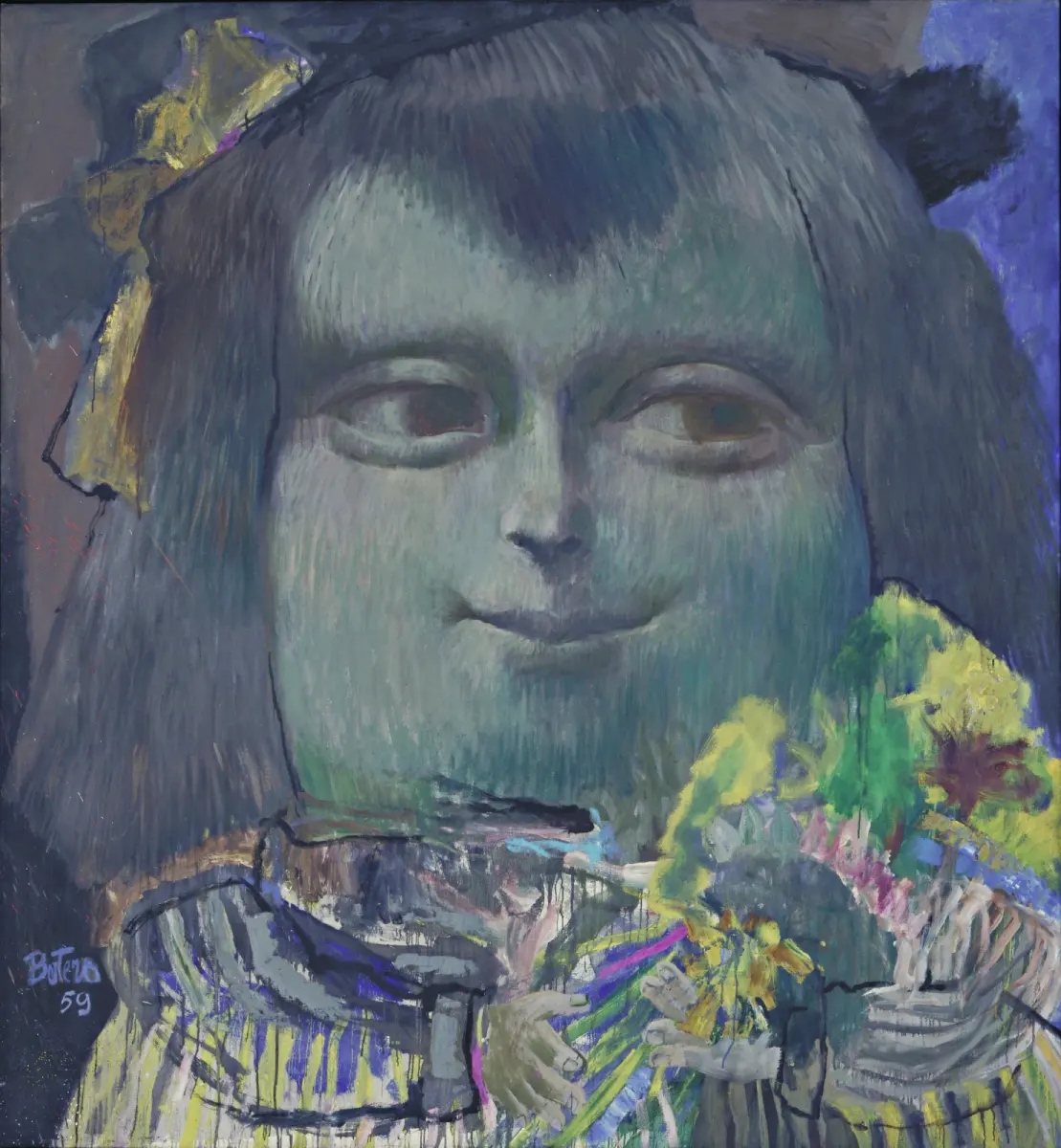
The Monalisa painting is one of the most recognized works in the history of Western art. Leonardo da Vinci’s masterpiece has inspired countless reint
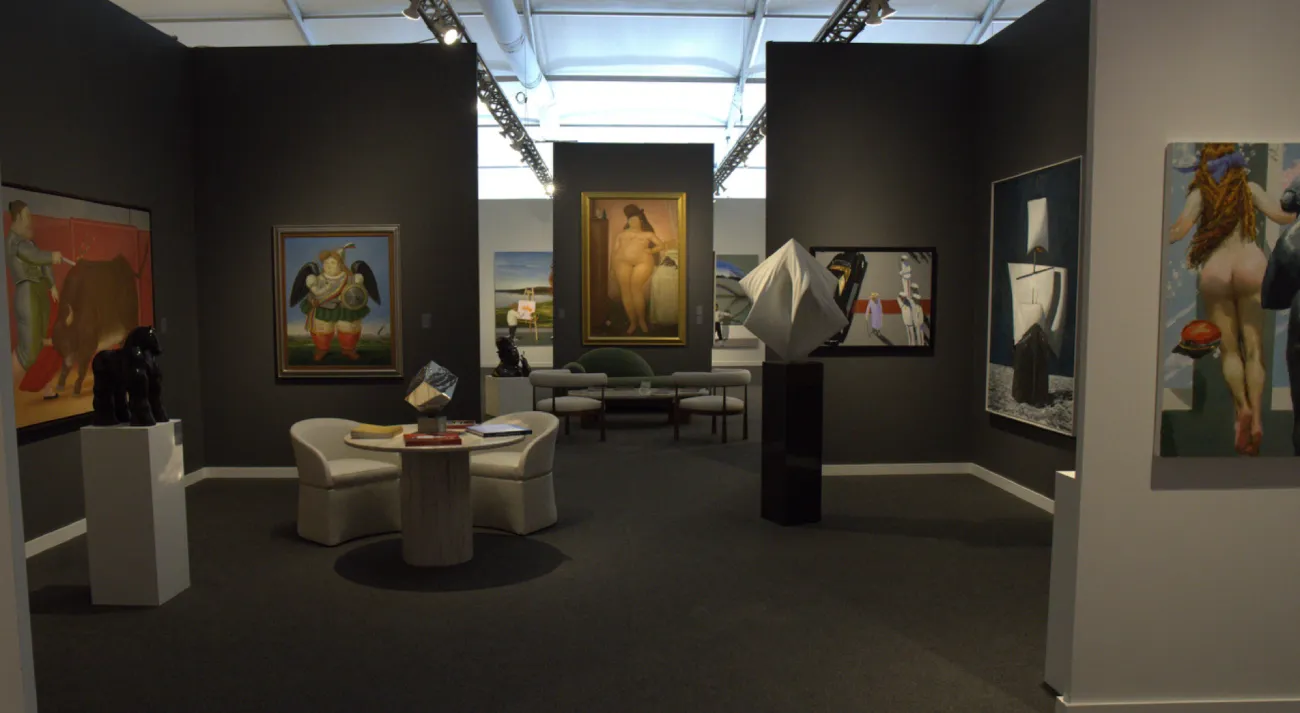
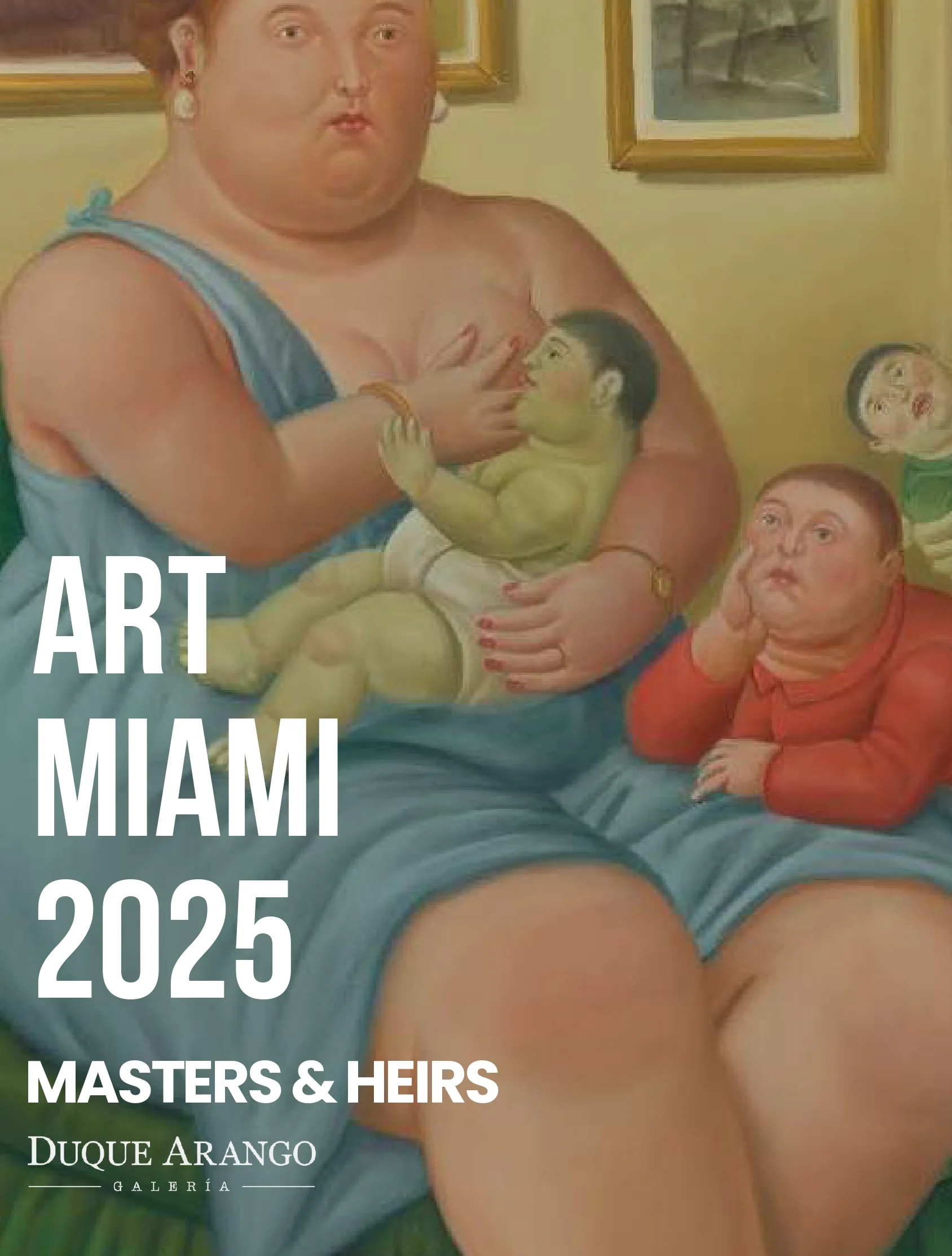
For years, Art Miami has been a privileged stage for the world’s most prestigious art galleries to showcase extraordinary works of modern and contemp

In the evolving world of alternative assets, art has earned its place as both a cultural treasure and a strategic investment. With collectors and inv
Fernando Botero: A Universal Master in Barcelona From February 14 through July 20, 2025, the Palau Martorell in Barcelona becomes the epicenter of
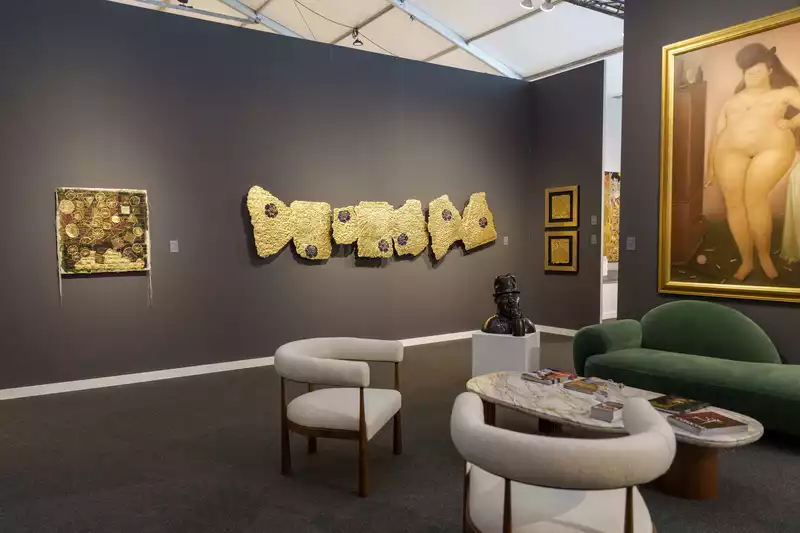
When discussing the great figures of Latin American art, few names carry as much international weight as Olga de Amaral and Fernando B

Investing in art can be one of the most exciting and rewarding decisions you make. Beyond its aesthetic value, art has established itself as an intel
Colombian art is nowadays one of the most compelling forces in the global art scene. With its rich cultural roots, diverse aesthetics, and bold conce
Fernando Botero is one of the most recognized Latin American artists of the 20th century. Known for his signature "Boterismo" style, Botero’s work offers a unique perspective on volume, form, and political satire, establishing him as a key figure in Latin American art.
One of Fernando Botero’s most famous artworks is The Death of Pablo Escobar, though his reinterpretation of Mona Lisa, Age Twelve is also widely known. These iconic paintings exemplify the Colombian painter Botero’s bold style and social commentary.
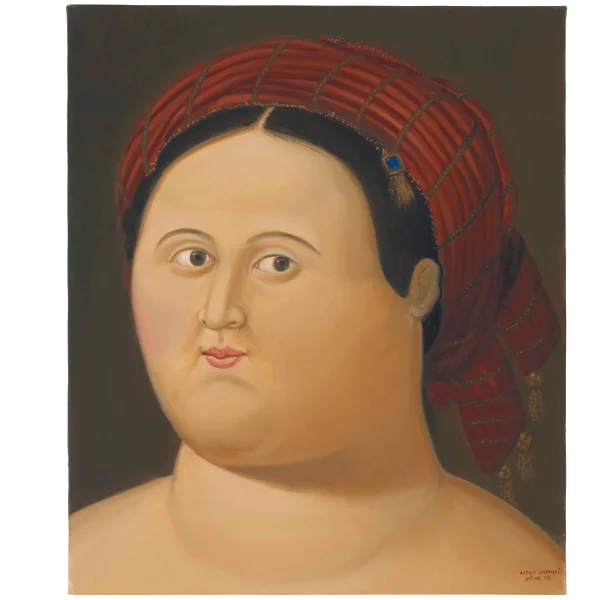
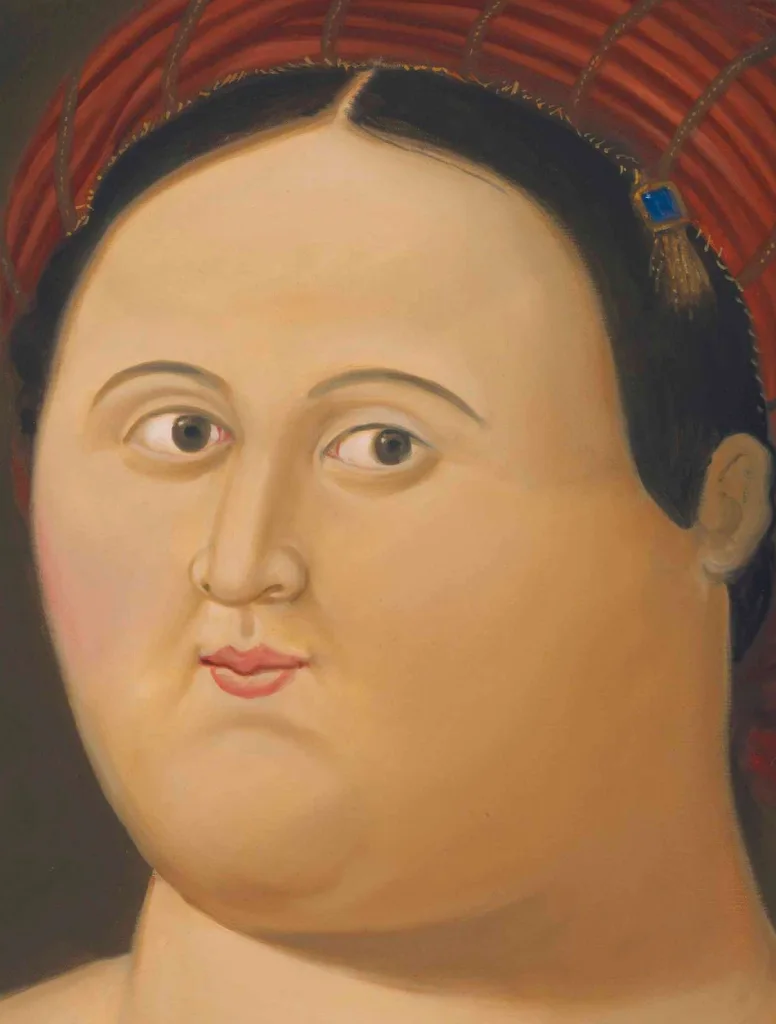
Fernando Botero painted Mona Lisa, Age Twelve, a humorous reinterpretation of Leonardo da Vinci’s masterpiece. This Fernando Botero artwork reflects his ability to blend classic references with his signature exaggerated style.
Some Botero artworks have sparked controversy due to their depiction of violence, torture, and political critique, especially his Abu Ghraib series. These pieces highlight the Colombian artist Botero’s commitment to denouncing injustice through art.
Fernando Botero reimagined the Mona Lisa to challenge traditional beauty standards and pay homage to art history. His version reflects his signature style and solidifies his place among the most unique modern artists.
At age 20, Fernando Botero moved to Bogotá, where he began to gain recognition as an emerging Colombian artist. This period marked the beginning of Botero’s rise in the Latin American art scene.
Fernando Botero’s paintings and sculptures often depict everyday life in Latin America. Through bold colors and voluminous forms, Fernando Botero’s art celebrates Hispanic identity, tradition, and social commentary.
Botero was expelled from a Jesuit school for publishing an article deemed controversial. This early rebellion reflects the artist’s lifelong tendency to challenge norms, a trait visible in many Botero artworks.
Fernando Botero left an mark on the history of art through his unique and instantly recognizable style, Boterismo. Deeply rooted in Latin American identity, his work brought global attention to Colombian art, challenged traditional notions of beauty and power, and made art more accessible through public sculptures and major donations to national museums. Botero's legacy lives on as a celebration of form, satire, and the enduring voice of Latin America in the global art world.
Fernando Botero traveled to Mexico to study muralism and explore Mexican art traditions. This experience deeply influenced his technique and artistic voice as a modern Latin American artist.
Fernando Botero was married three times. His personal life often influenced his artwork, and his partners played significant roles in his creative and professional journey.
Botero often referred to himself simply as a “painter of volume.” Rather than seeing his style as caricature, the artist emphasized form, sensuality, and expression in every artwork.
Botero painted Dancing in Colombia to portray the joy of Colombian culture. The painting reflects the artist’s love for his country and his commitment to representing Latin American life.