Ariel Cabrera: Metanarratives
“I saw the Aleph, from every point, I saw the earth in the Aleph, and in the earth the Aleph, and in the Aleph the earth.” — Jorge Luis Borges, The A

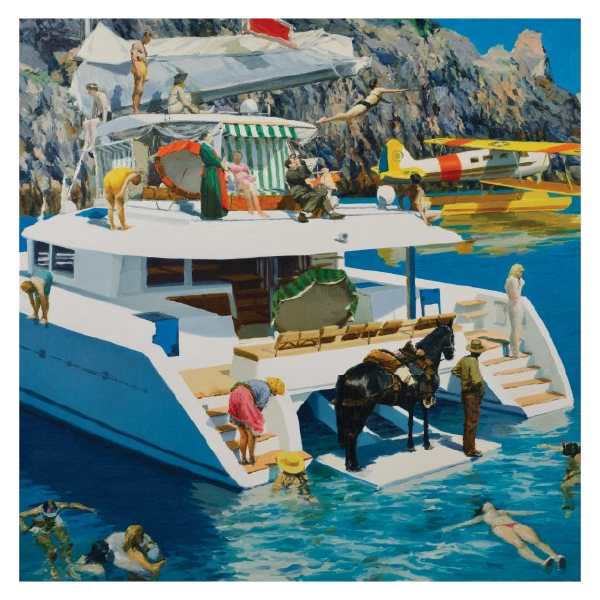
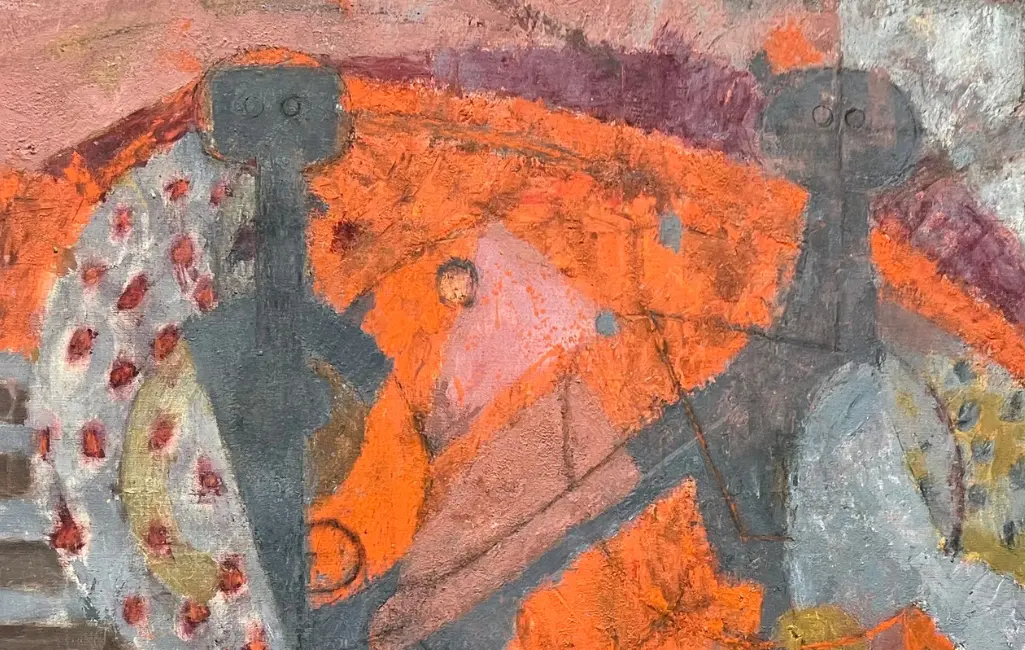
Oil on canvas
74.80 x 96.45 in
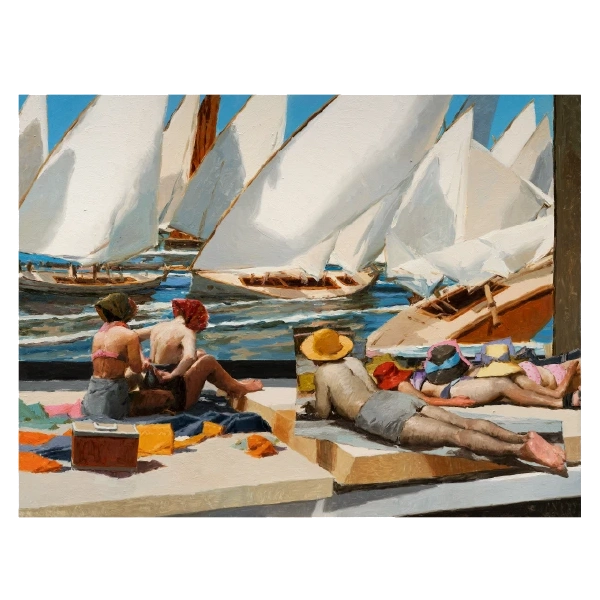
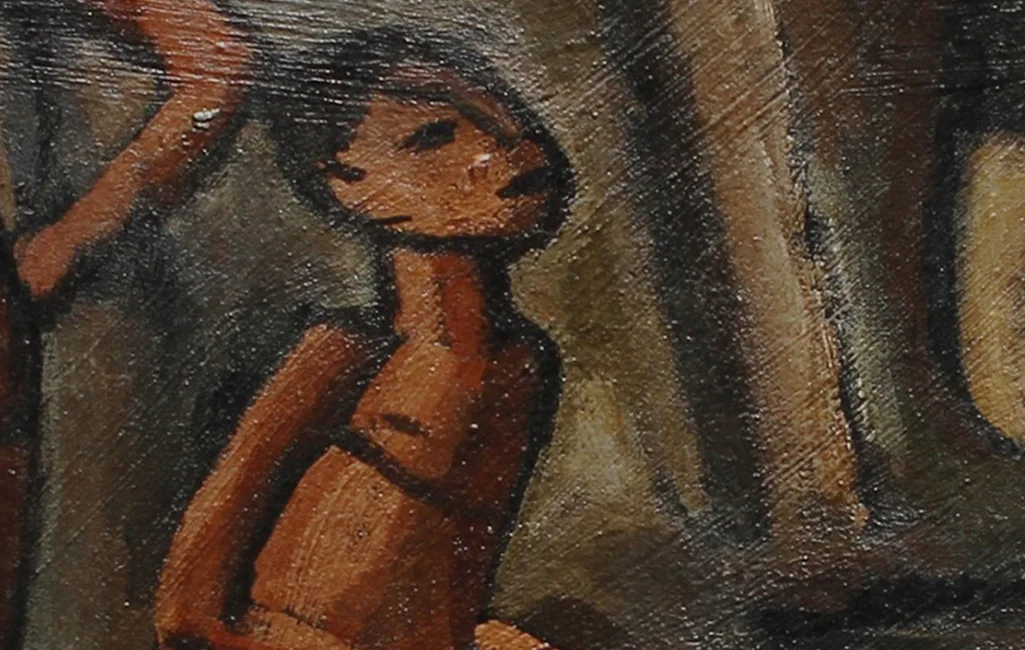
Oil on linen
66.92 x 66.92 in
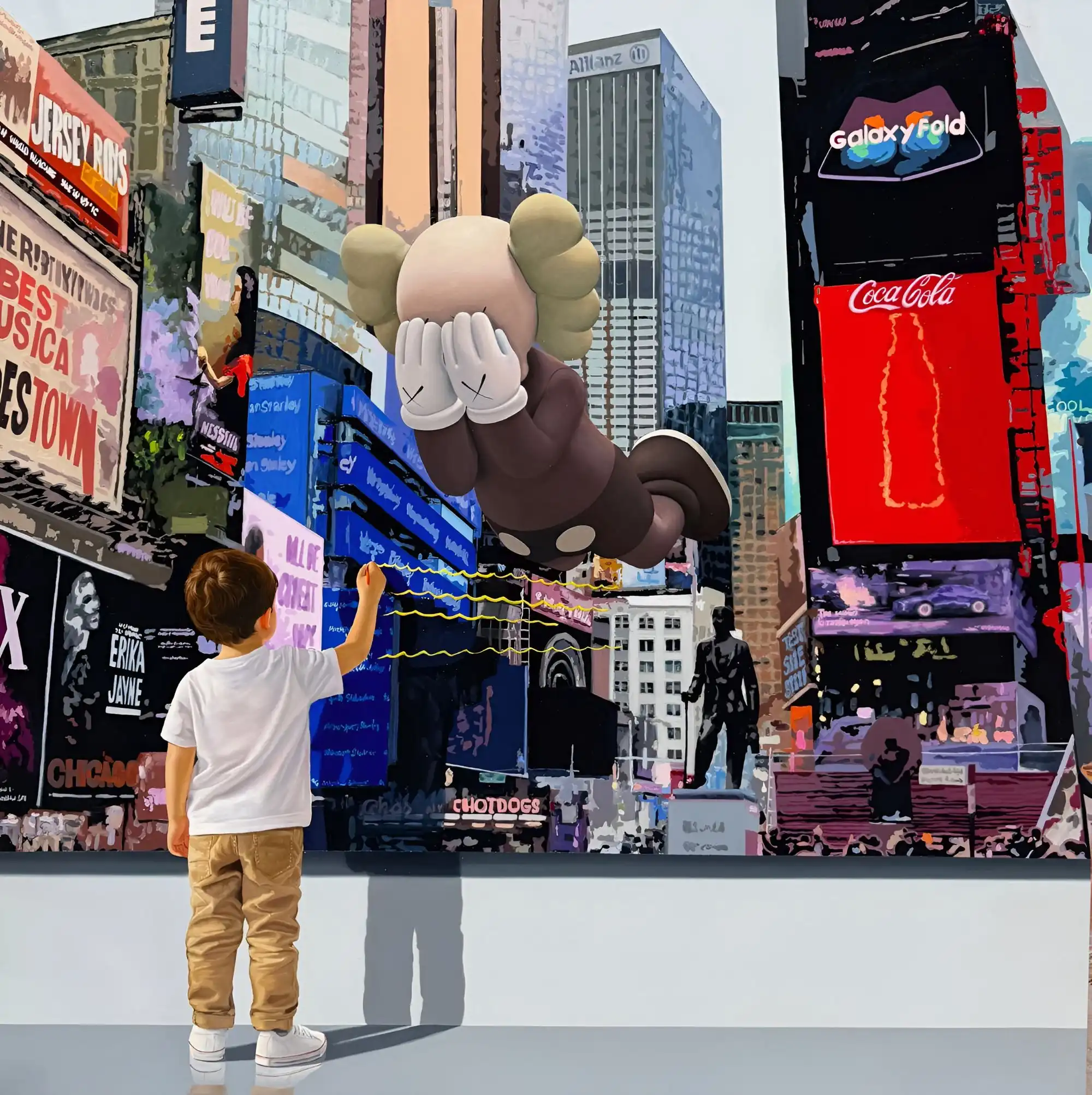
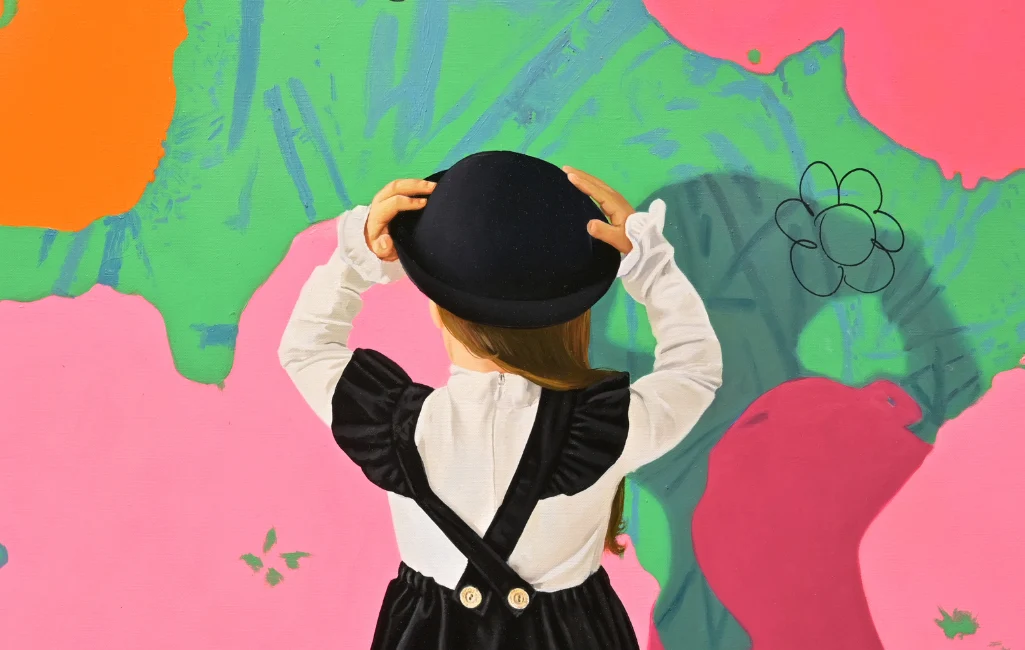
Oil on linen
99.80 x 66.92 in
Oil on canvas
78.74 x 78.74 in
Oil on canvas
86.61 x 78.34 in
Oil on canvas
75 x 100 in
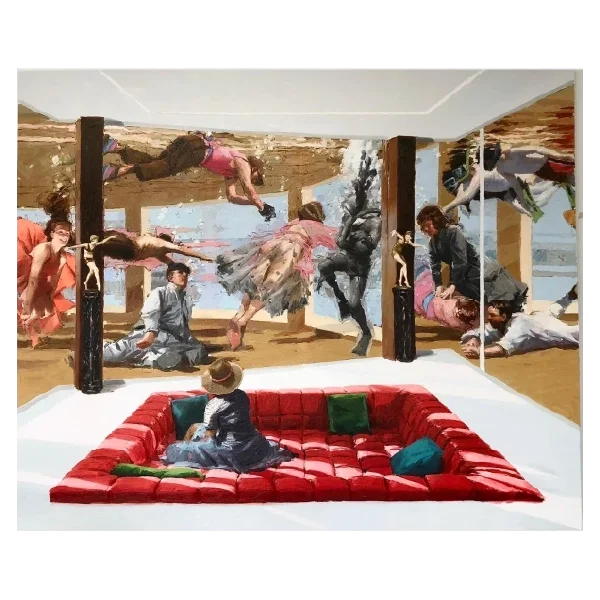
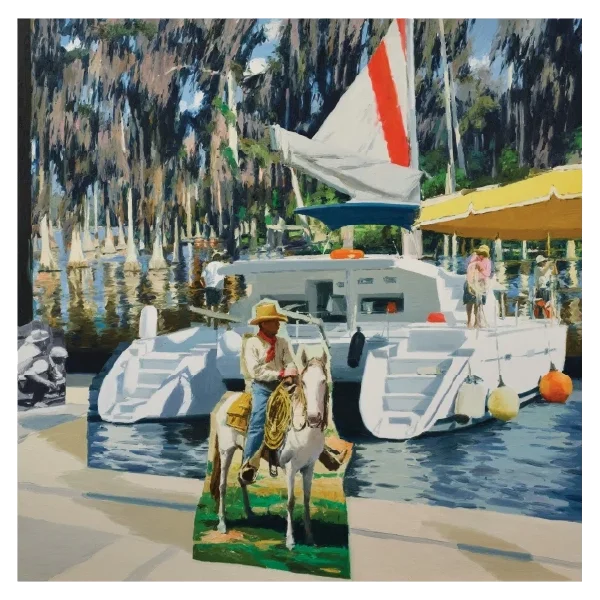
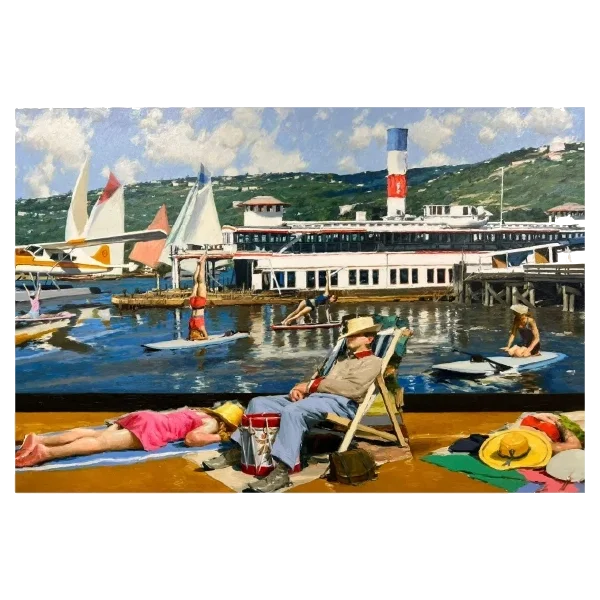
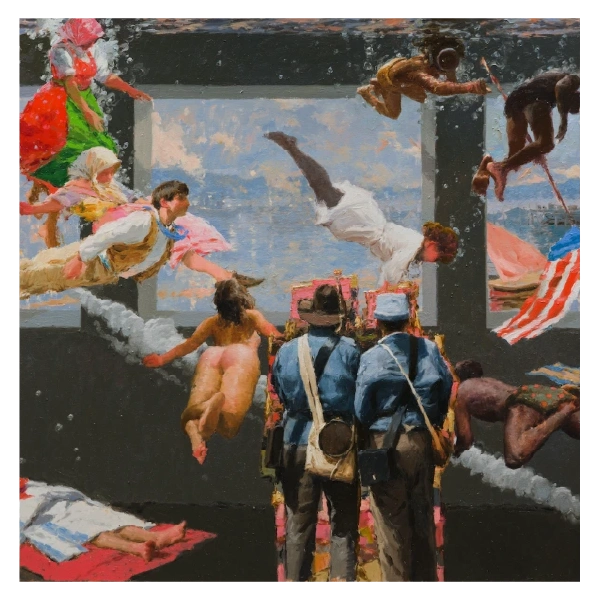
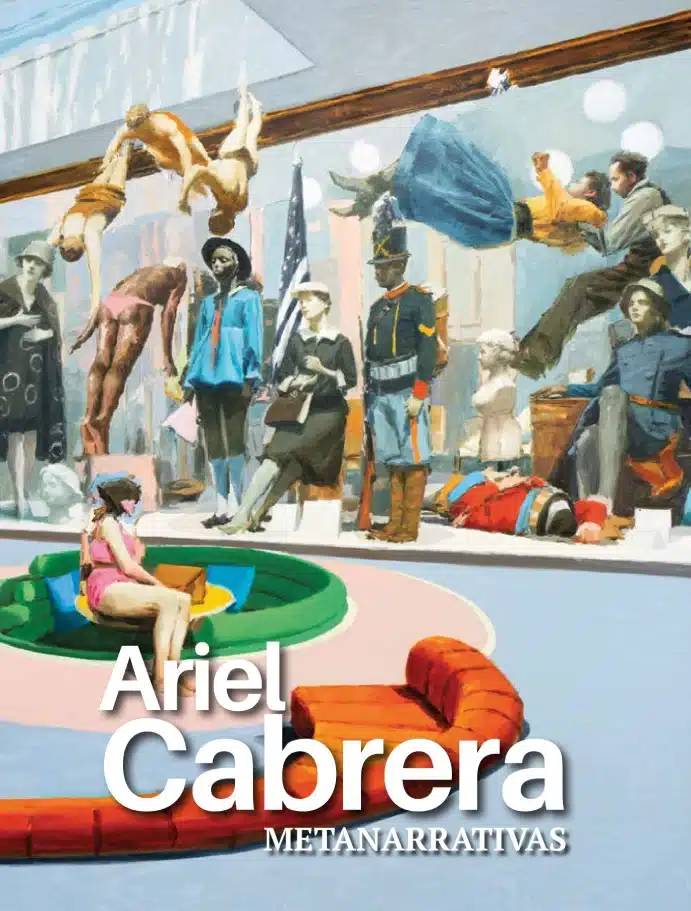
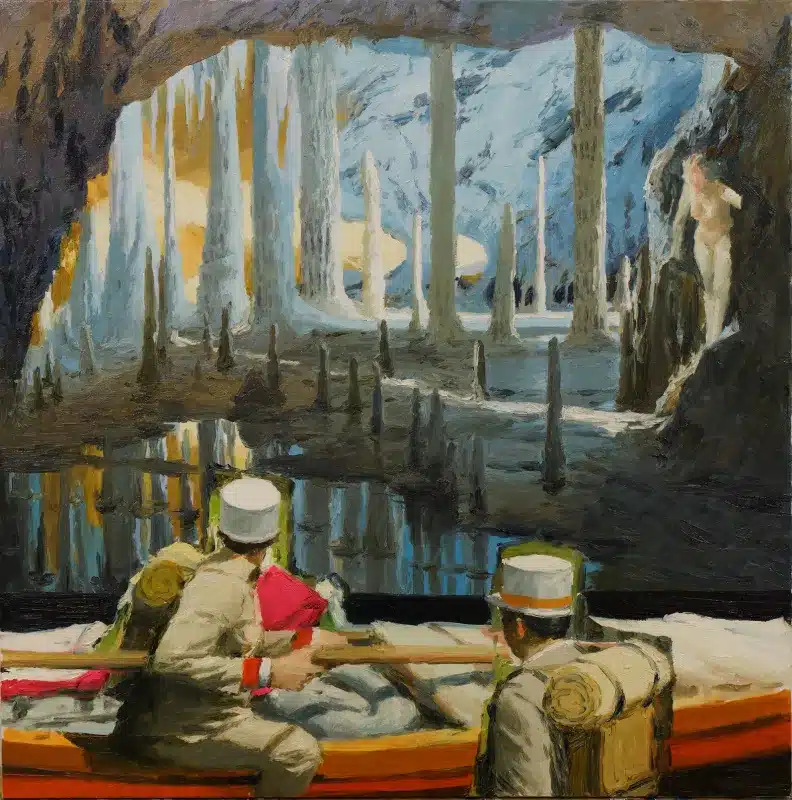
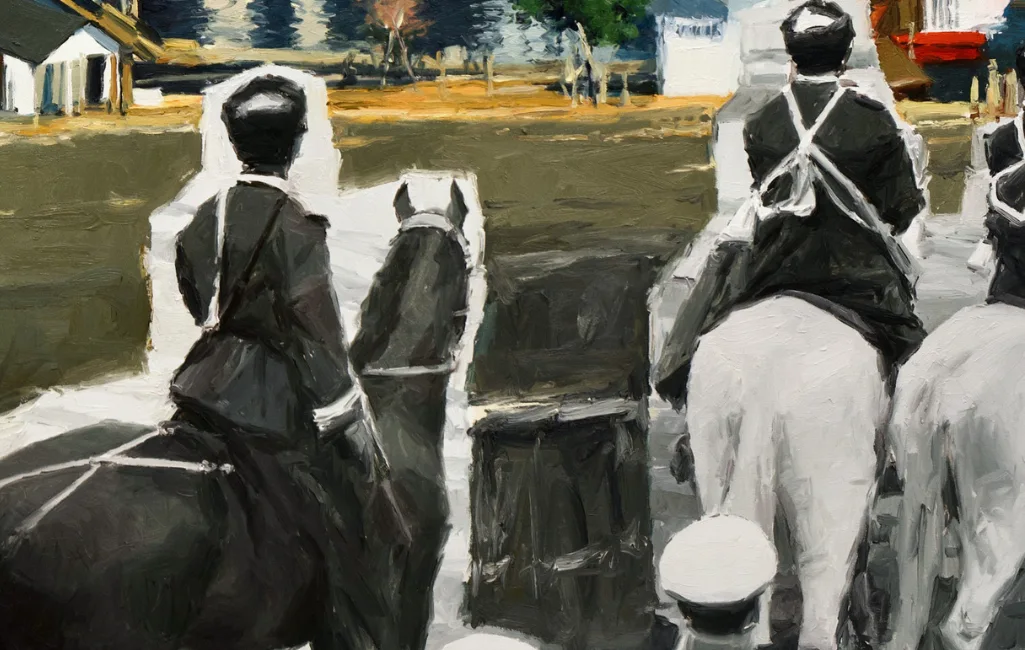
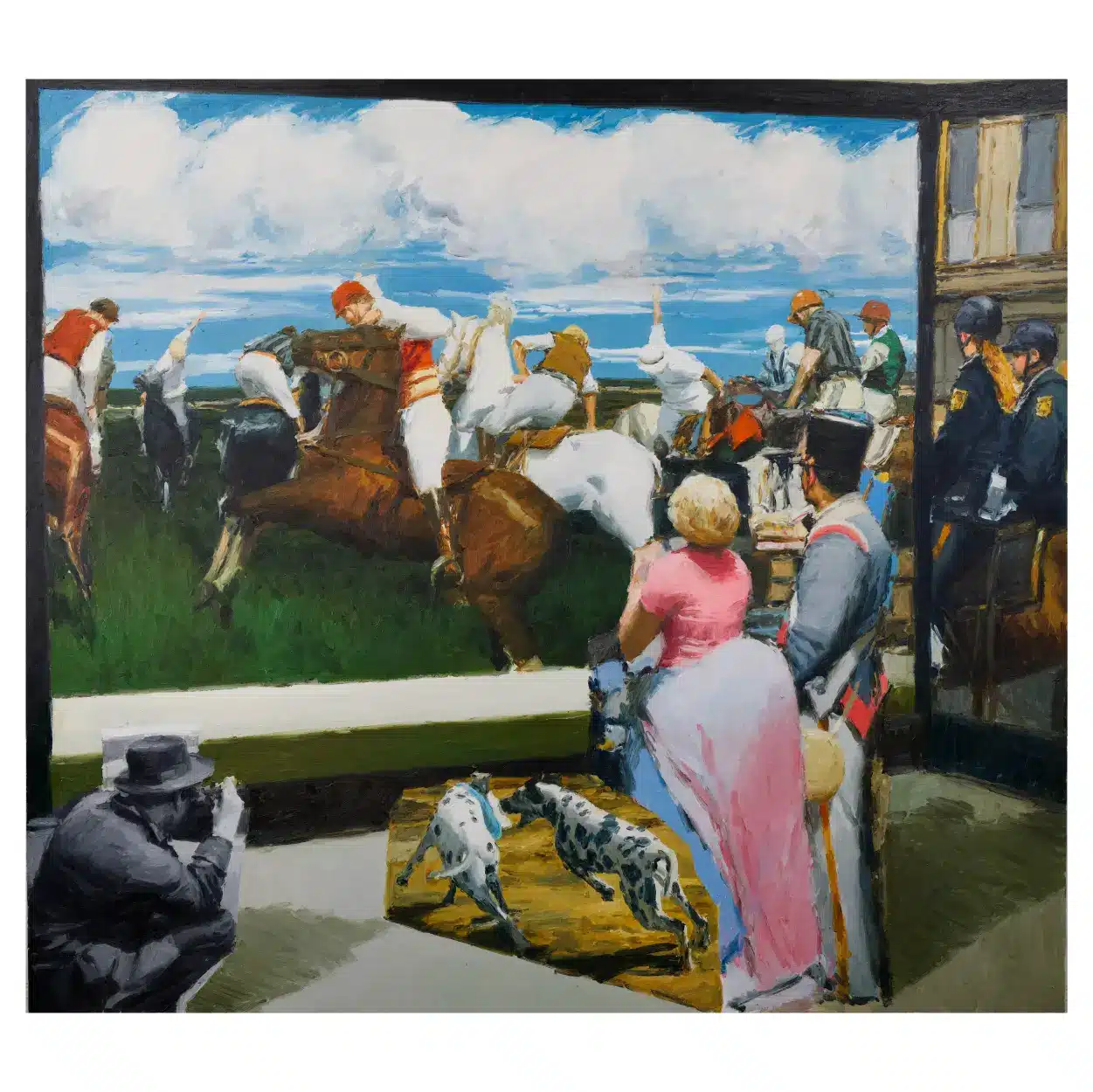
Ariel Cabrera’s work depicts anecdotal heroes and events in Cuban history. His subjects are less military and more human, unlike the traditional figurative works of Cuban history, where heroes are portrayed as solemn subjects on pedestals.
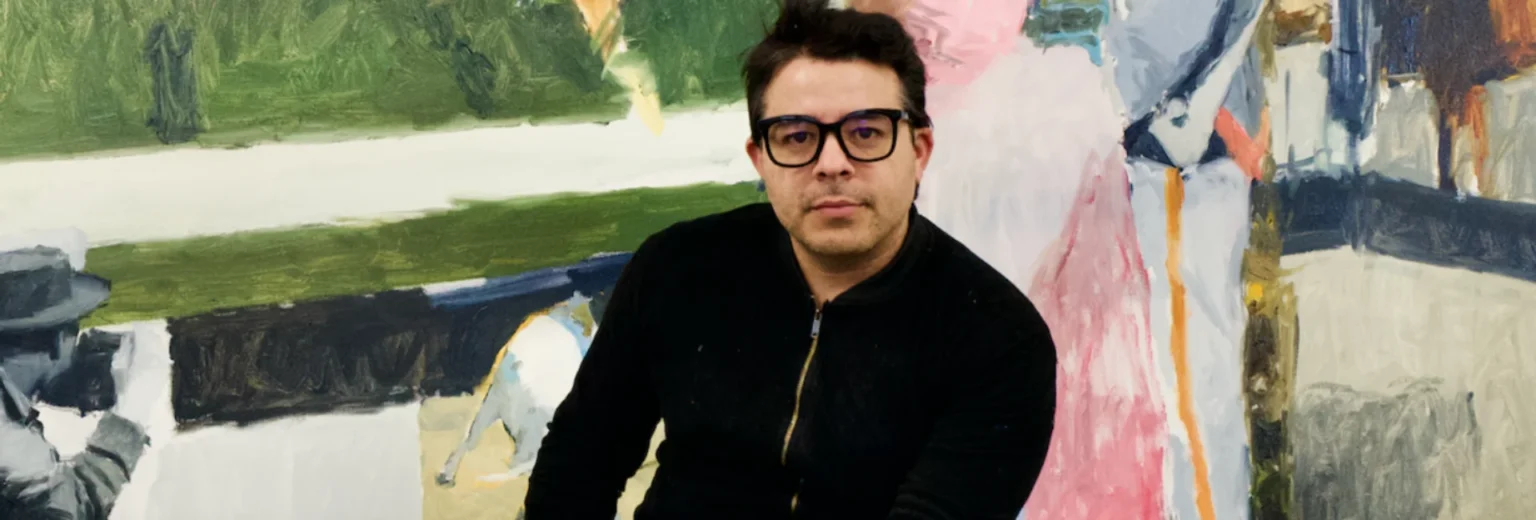
Ariel Cabrera Montejo was born in 1982 in Camagüey, Cuba. Cabrera recreates theatrical scenarios inspired by Cuban historical periods such as the interwar period (1879-1895) and the Cuban War of Independence (1895-1898).
Early in his career as an art student, Cabrera Montejo had the experience of being in constant interaction with collectibles, works of art and documents related to the collection of Cuba’s historical memorabilia. These documents transcended him as rare and truthful testimony kept information that differed in many cases with the history of the struggle for independence in Cuba and promoted as such is still in force as the official history of a unilateral doctrine. It is then when the motivation arises to submit history to a revision from the position of art, and the proposal to assume the most traditional painting techniques to make works whose historical stories contrast with the traditional narrative content of the history of literature, and to retake the pictorial fact as a recording action.
In turn, he proposes scenarios on military events of the struggle for Cuban independence in stages 1868 – 1898, creating simultaneous events and supposed historiographic dialogues that submit history in general to scrutiny, where sarcasm is present, making an ideological deconstruction of hieratic images of patriots or solemn historical heroes of independence (mambi) whose characters are repeated in each stage or battlefield, where the paradox is implicit, and the historical discourse is like an open approach between truth and simulation.
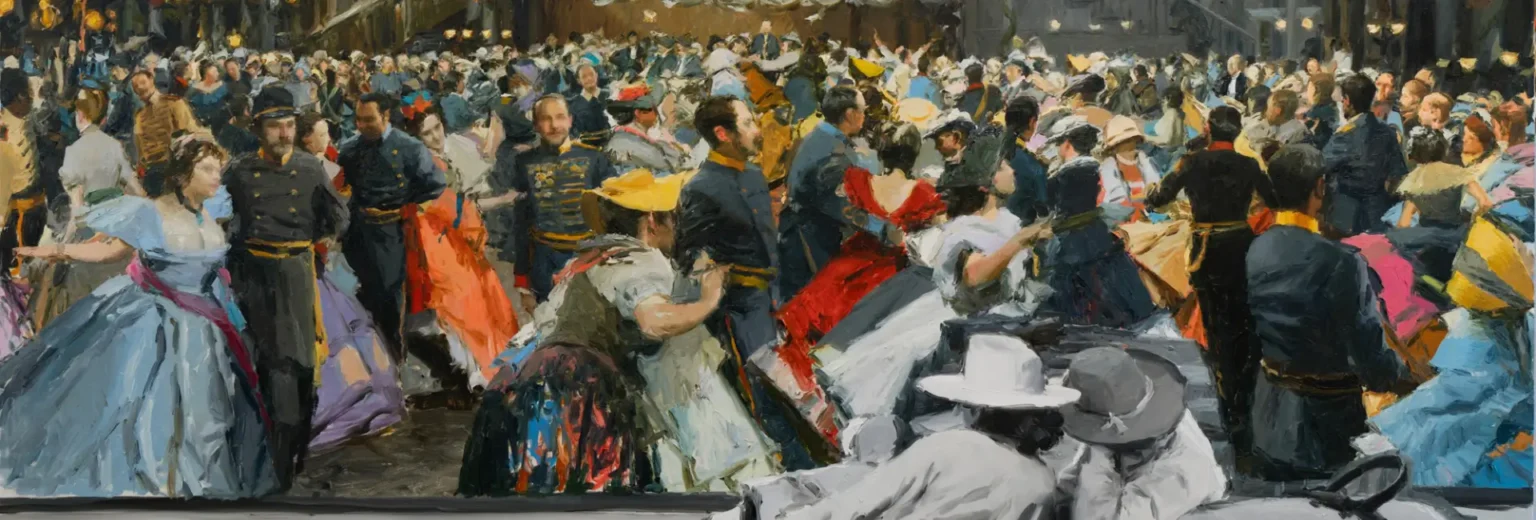
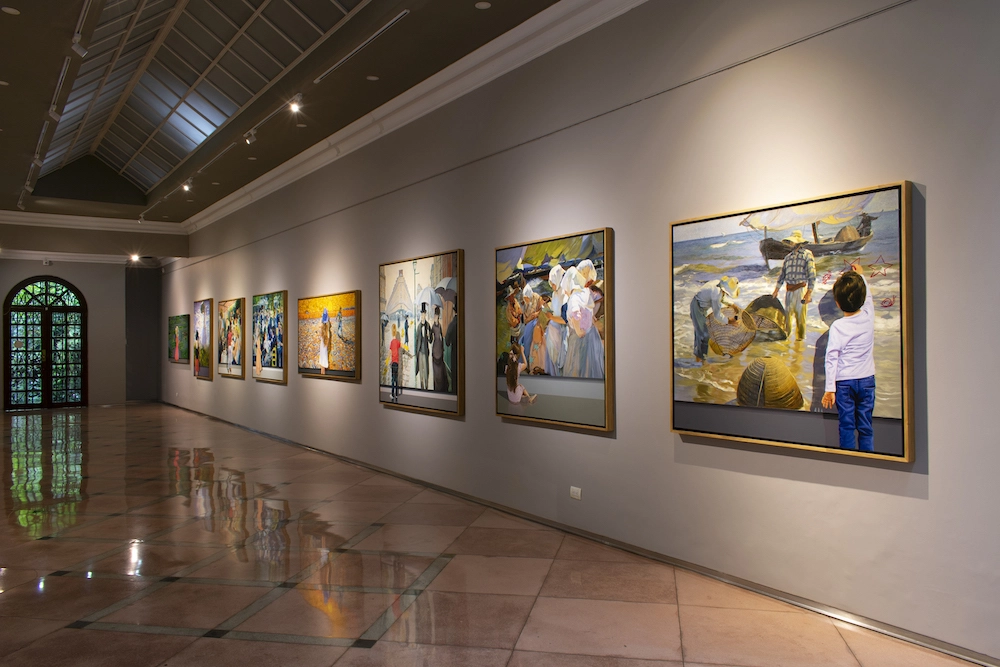
He uses different impressionist techniques to maintain a better dialogue of visual illusion in each context he depicts and gives more credibility to each scene, using pictorial references such as Spanish, Italian and American school painting in some cases, and how these greatly influenced the history of Cuban art in the colonial period.
“I saw the Aleph, from every point, I saw the earth in the Aleph, and in the earth the Aleph, and in the Aleph the earth.” — Jorge Luis Borges, The A
Contemporary painting in Latin America has been marked by artists who explore history, identity, and collective memory through their work. That’s how
Art has the power to immortalize moments and reinterpret stories. In the case of Ariel Cabrera Montejo, an outstanding contemporary Cuban painter, th
To go into details of the work of artist Ariel Cabrera Montejo, it is first necessary to know his origins and history. Ariel Cabrera was born in 1
Looking into Latin American contemporary art today requires understanding a complex cultural and historical framework that intertwines artistic innov
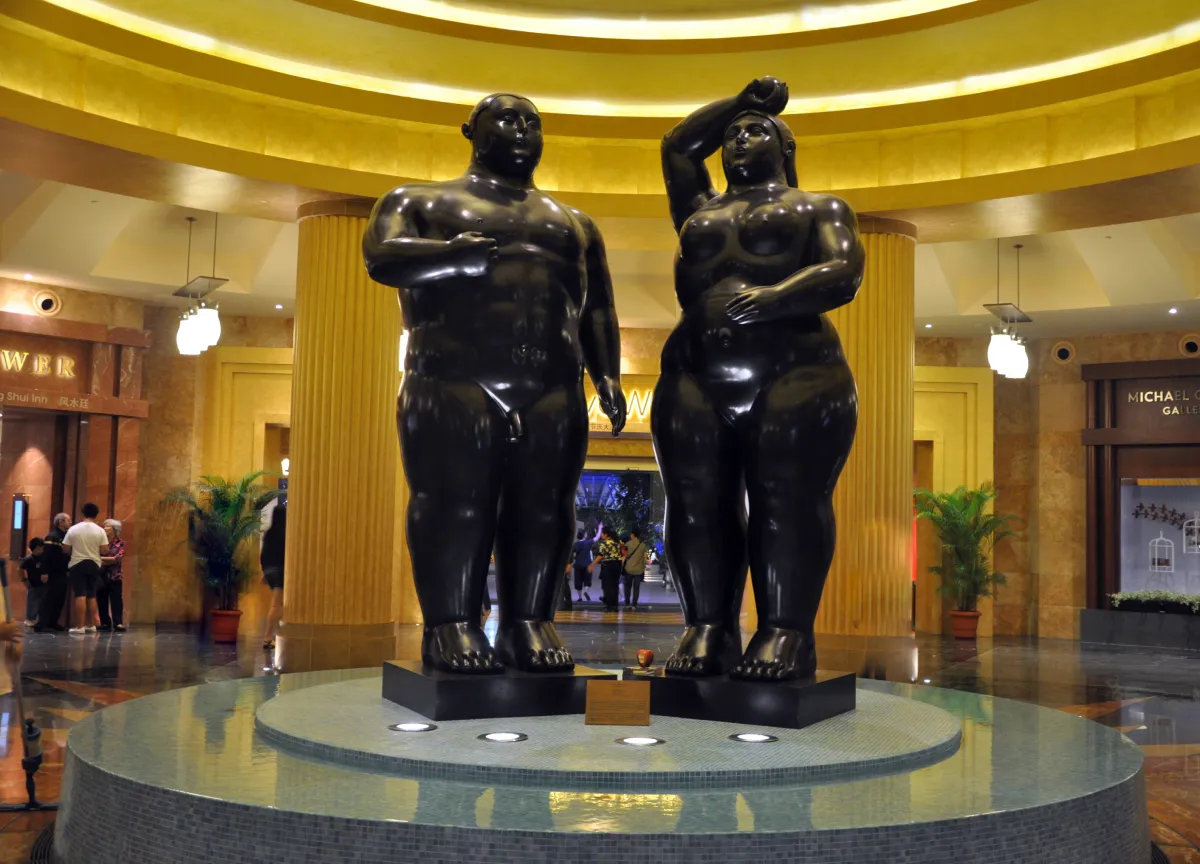
As Asia consolidates its position as one of the most influential regions in the global art market, Singapore has emerged as a key cultural gateway co
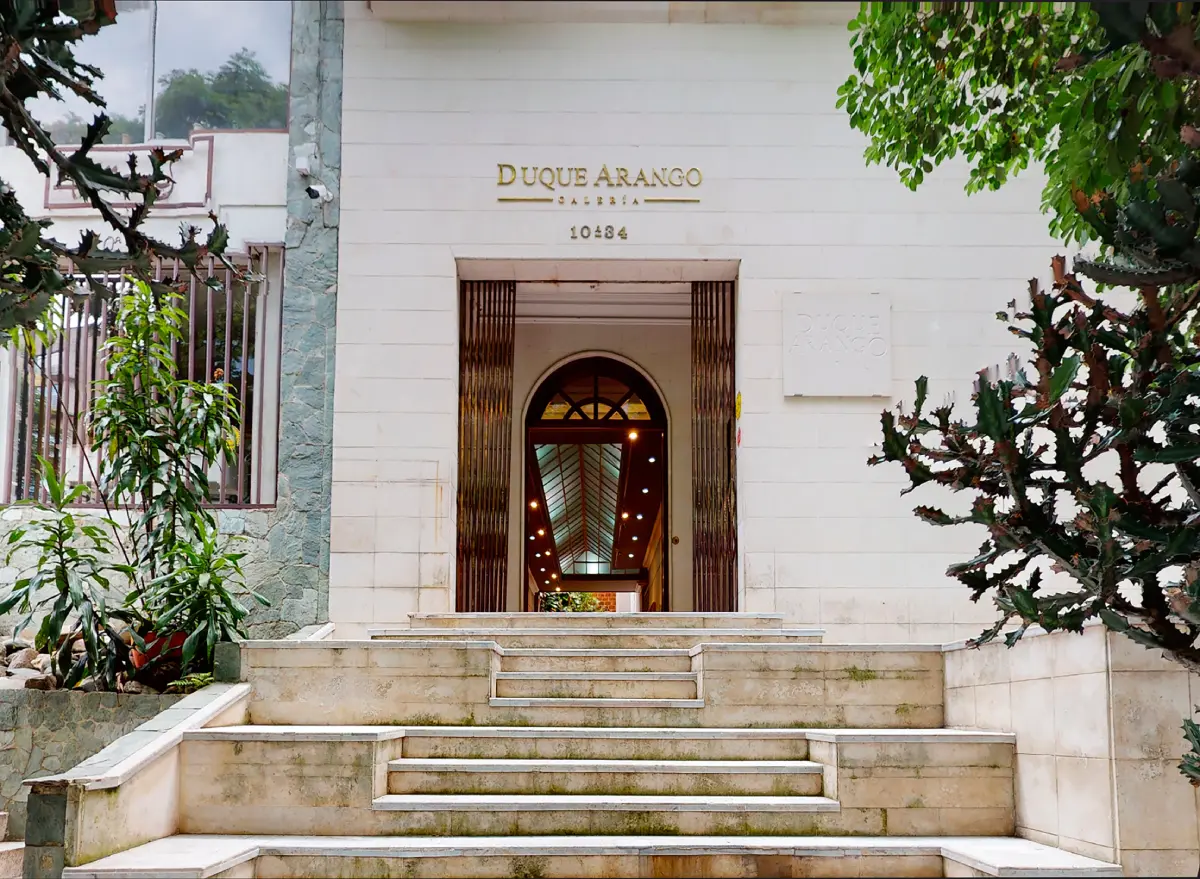
Duque Arango Galería in Medellín, founded in 1980, has established itself as a benchmark for Latin American art in Colombia, with a history that comb
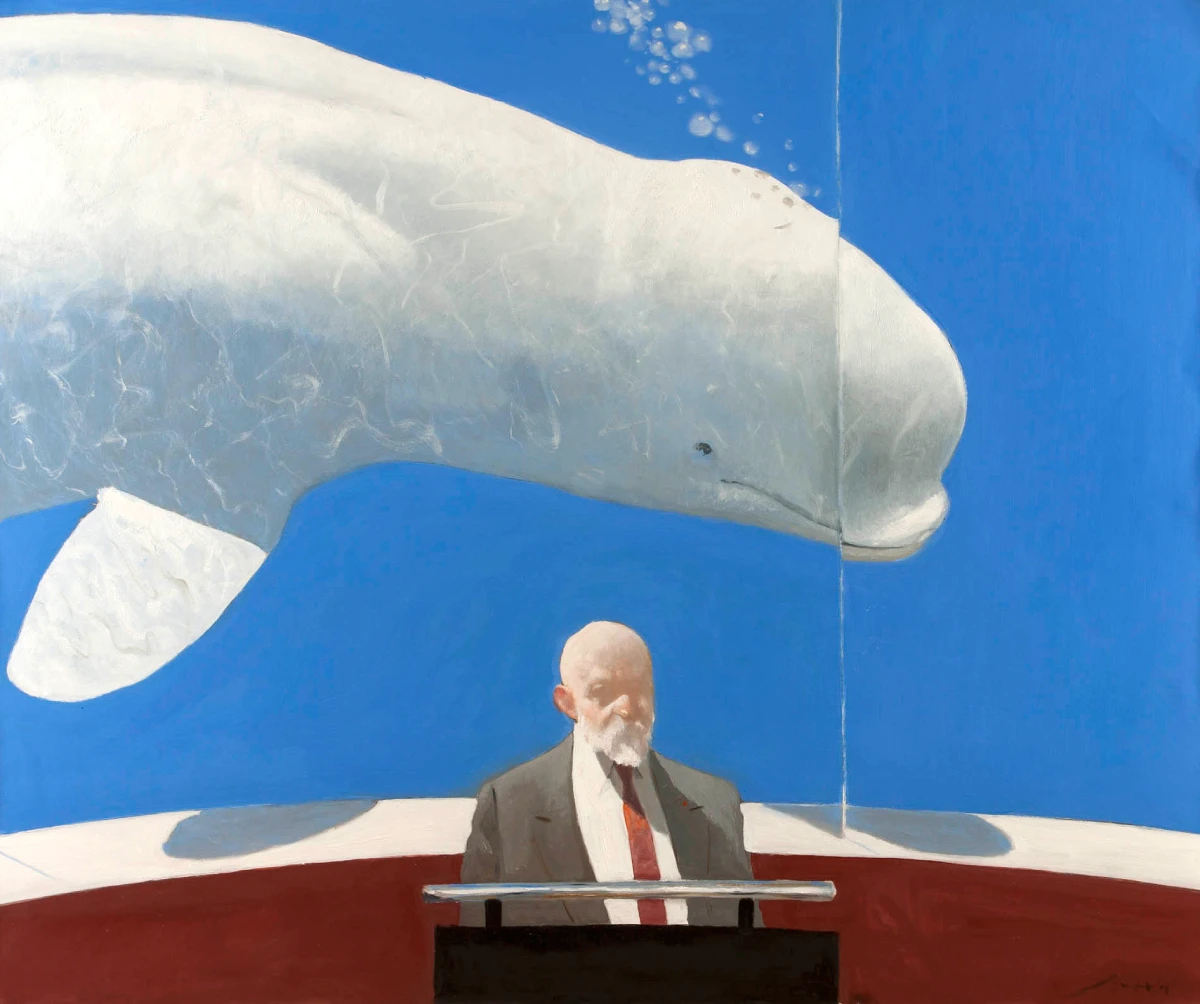
Contemporary art has become one of the most powerful languages of our time. It is characterized by its ability to question, provoke, and rethink the
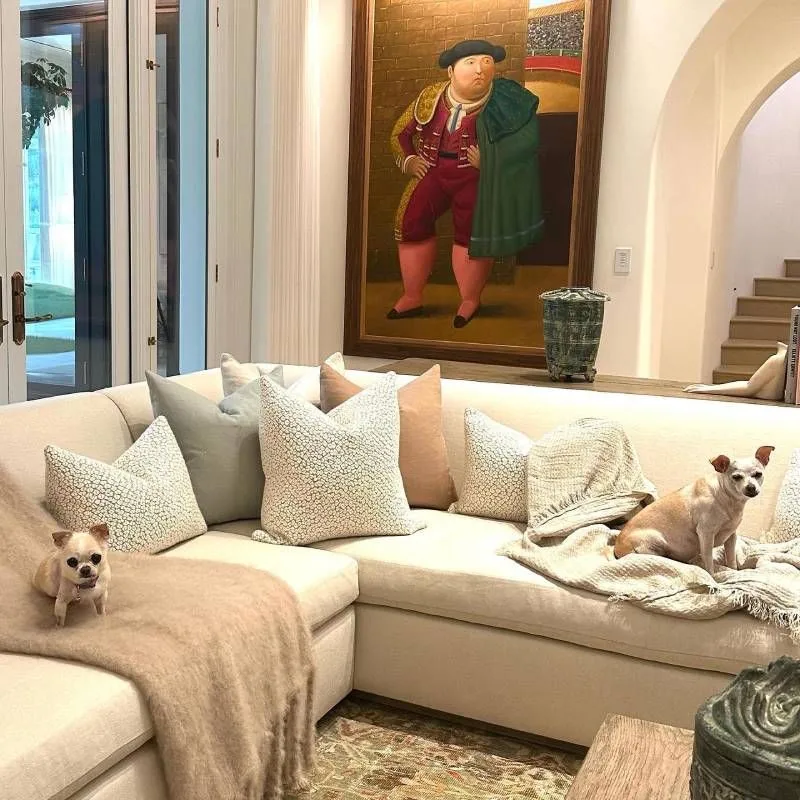
Investing in art can be one of the most exciting and rewarding decisions you make. Beyond its aesthetic value, art has established itself as an intel
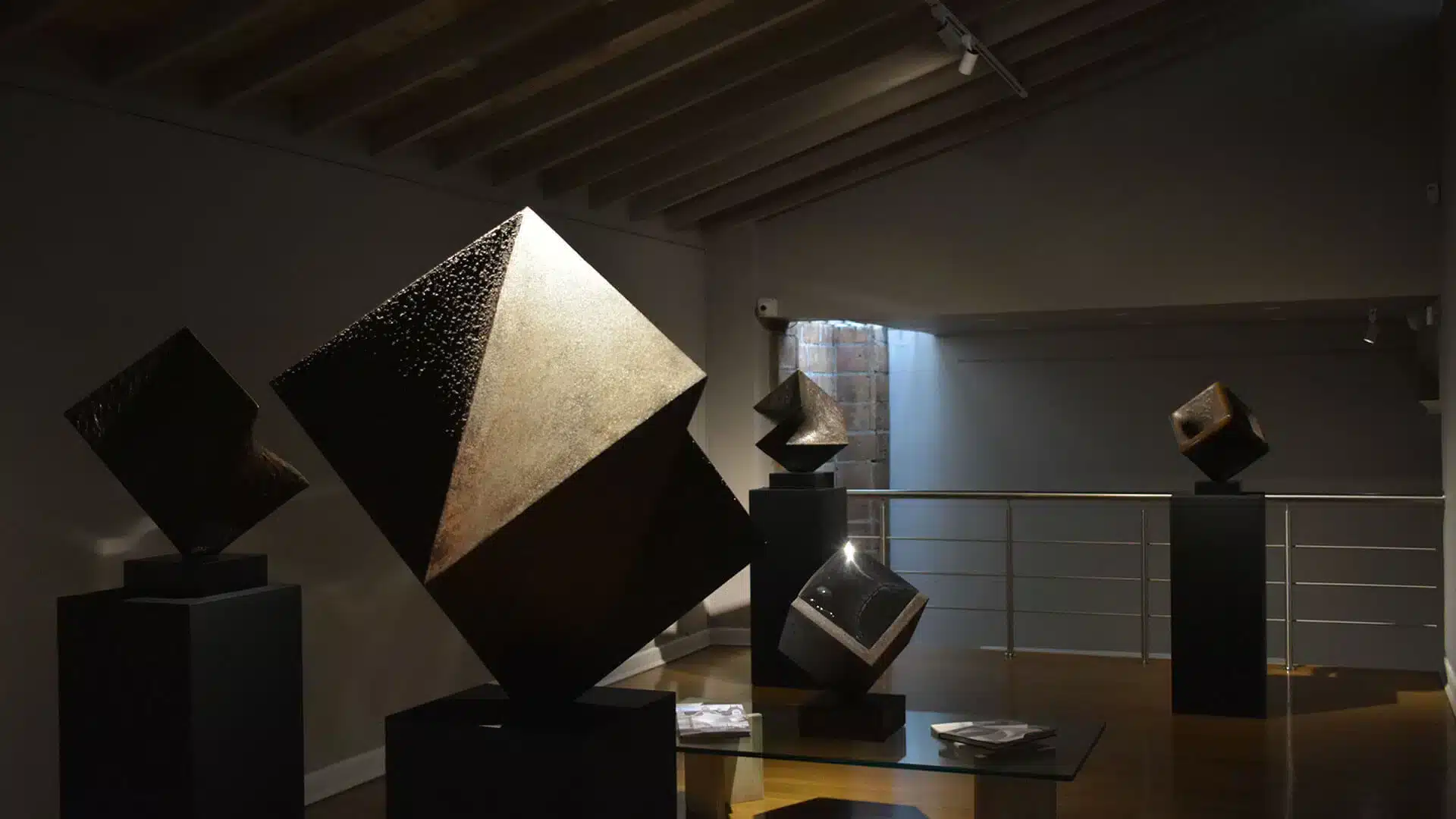
Zona MACO, held annually in Mexico City, has established itself as the most important art fair in Latin America and one of the most important in the
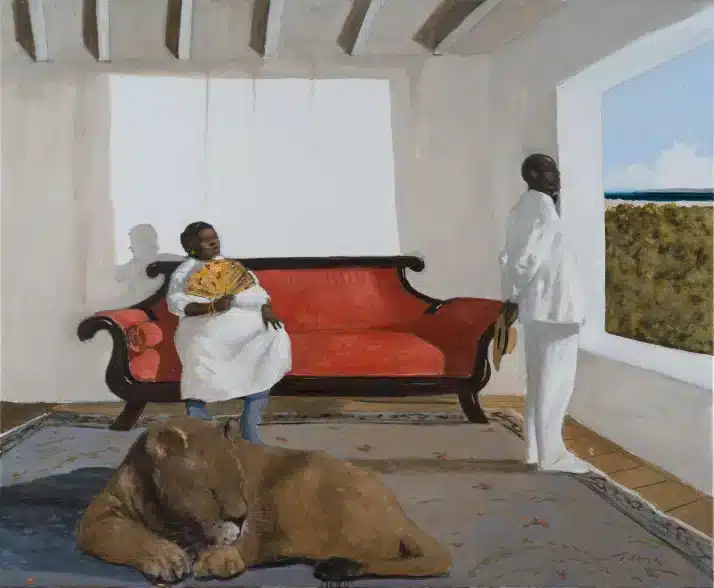
Cuban art is distinguished by the vitality it shows in its appearance, and the depth it holds in its meaning. From the murals on the streets of Havan
Three Cuban artists, shadow, light and chiaroscuro: Wifredo Lam, Julio Larraz and Ariel Cabrera If to any moderately trained viewer or a regular con